Two Arrested Over Fake Opioid Prescriptions in Doctors’ Names
Spain's national police arrested two men, one in Figueres, for forging opioid prescriptions in the names of more than 40 doctors.
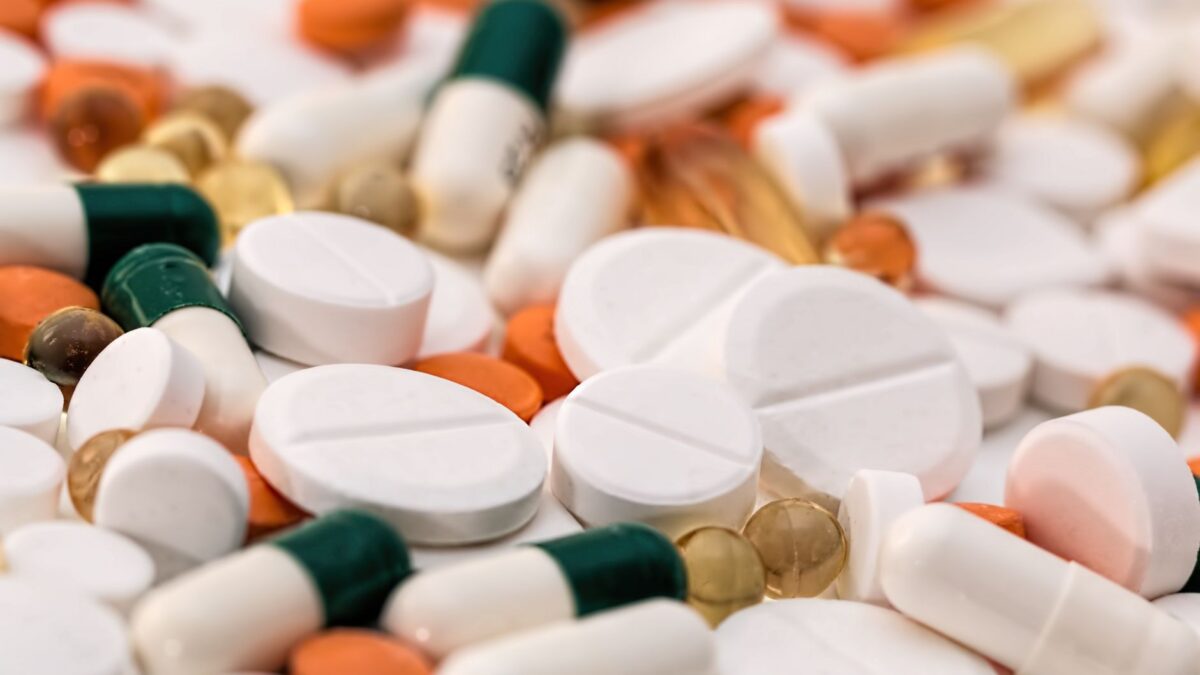
Spain’s Policía Nacional (national police) has arrested two men for forging prescriptions for opioids and other sedating drugs in the names of more than 40 doctors. One suspect was detained at a home in Figueres, in the Alt Empordà area of Girona province. The other was arrested in Collado Villalba, near Madrid, according to El Caso.
The forged prescriptions were collected at pharmacies, most of them in Catalonia and Andalusia, according to the investigators.
How a pharmacist’s phone call exposed the scheme
The case began with a Barcelona pharmacist who kept receiving prescriptions issued under the name of the same dentist in Málaga. The medicines listed were not ones dentists normally prescribe, which made the pharmacist suspicious. He called the dentist, who found that someone was using his professional details to issue prescriptions and pick up drugs at pharmacies.
The dentist filed a complaint in Málaga. Using only that dentist’s details, the group issued more than a hundred prescriptions in a short time, police said. Officers from the cybercrime section of the Málaga police station ran the inquiry, called Operation Obélix, and traced where each prescription had been filled.
What police say the group wanted
Police’s main working theory is that the suspects wanted opioids and other central nervous system depressants so they could sell the narcotic ingredients in nightlife settings. To get the drugs, the group used a digital platform that private-sector doctors use to issue prescriptions. Investigators suspect the main suspect exploited a security flaw in the system.
The prescriptions carried the names of real doctors. A second member of the network then presented them at pharmacies to collect the medicines.
From the platform logs to a flat in Figueres
While one team checked which pharmacies had handed over the drugs, cybercrime specialists followed the connections to the prescription platform of the private insurer. They placed the origin of the logins at a home in Figueres. Detectives from Málaga travelled there and, with help from officers of the Girona police station, searched the property and arrested a man with computer skills. Police attribute the forgery to him.
They seized several electronic devices and cryptoassets held in a digital wallet. Investigators suspect the money came from reselling the medicines obtained with the false prescriptions.
Analysis of the devices let police identify more than 40 doctors whose identities had been used. Officers found fake identity documents in the doctors’ names, emails in which the suspects posed as them, and messages sent to professional medical associations across Spain. According to police, the group used these contacts to try to obtain, through social engineering (tricking people into handing over information), the credentials needed to issue prescriptions in the doctors’ names.
At the same time as the search in Figueres, officers arrested a second man in Collado Villalba, Madrid. Police place him at the other end of the operation: he was one of those who took the false prescriptions to pharmacies in Catalonia and Andalusia and collected the medicines.
Why it matters
The forged prescriptions reached pharmacies in Catalonia, so Barcelona-area pharmacies were among those that filled them. The doctors affected include a Málaga dentist whose details alone produced more than a hundred prescriptions, and police say more than 40 doctors had their identities used overall.
The two suspects are 19 and 28 years old. They are under investigation, depending on their role, for illegal access to a computer system, document forgery and offences against public health. Police have not given their nationality.
Source: El Caso