Catalonia Sets 25% Peak-Hour Transit for Nov. 11 General Strike
Metro, Rodalies, buses and trams will run 25% of service at peak hours in the Nov. 11 general strike. Rules for airport buses, clinics and schools.
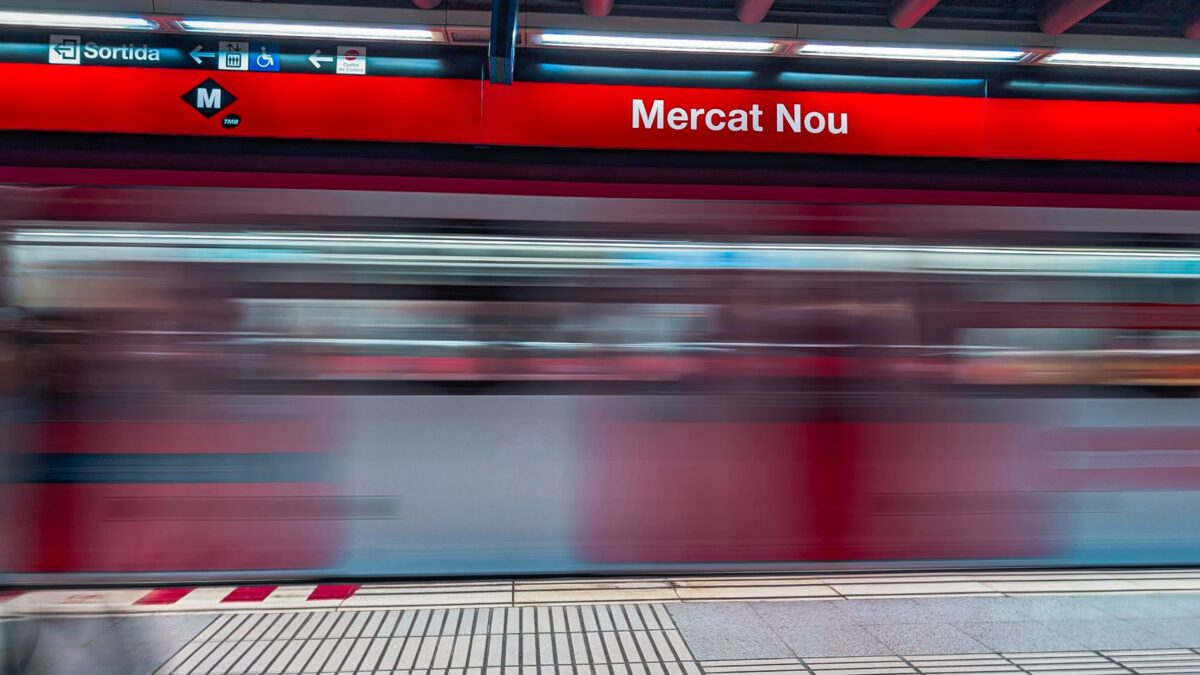
Commuters in Catalonia will get only a quarter of normal public transport during rush hours on Wednesday, Nov. 11, when a general strike is called across the region. The Generalitat (Catalan government) set minimum services of 25% at peak times on Rodalies (the regional commuter rail), the Barcelona Metro, TMB buses (Barcelona’s bus and metro operator), the tram, FGC (Ferrocarrils de la Generalitat de Catalunya, the Catalan government railway) and city and intercity buses.
Those peak windows run from 06:30 to 09:30 and from 16:30 to 21:00, according to the order published by the Conselleria d’Empresa i Treball (Catalonia’s business and labour department) in the DOGC, the Generalitat’s official gazette. Metrópoli Abierta and La Ciutat report the same rush-hour windows.
Airport bus runs at half capacity
The bus link between Barcelona and the airport is the main exception. The order sets its minimum service at 50%, and Metrópoli Abierta reports this covers the Aerobús lines to Barcelona airport. Transport for people with disabilities will run as usual. School buses to infant and primary schools will also keep running where no public transport alternative exists.
For freight, the order only guarantees deliveries to hospitals and pharmacies and the movement of perishable goods that cannot be kept longer than 24 hours.
Who called the strike
According to the government resolution, the strike was called by CC.OO. Catalunya and UGT Catalunya together with CGT, Intersindical Alternativa de Catalunya-IAC, Intersindical CSC, COS, CATAC-CTS, CNT, Solidaridad Obrera, COBAS, OSAD and ASC. Metrópoli Abierta separately reported that workers at Barcelona and metropolitan area bus companies gave majority backing to the stoppage.
Hospitals, clinics and pharmacies
Hospital emergency departments and critical units, including intensive care, coronary units, hemodialysis, neonatal care and maternity wards, will work normally. Radiotherapy and chemotherapy continue where the case is urgent, and surgery that cannot be postponed for medical reasons goes ahead.
Primary care centres, known as CAPs, will work with 25% of their staff. Continuous care points such as CUAP and PAC keep the staffing planned for that day. Pharmacies on duty open as normal, and the Banc de Sang i Teixits (Catalonia’s blood and tissue bank) runs at 50%. Medical transport is guaranteed for emergencies and for patients receiving cancer treatment, dialysis, oxygen therapy or urgent tests ordered by a doctor.
Schools and nurseries
Every non-university school must have at least one member of its management team present. Infant and primary schools need one teacher for every six classes, and special education centres must keep 50% of staff. Nurseries run with 33% of staff, and the same share applies to lunchtime and supervised activities so children stay safe.
Emergency lines and security
The 112 emergency line keeps 85% of its staff to answer calls about health emergencies, public order, gender violence, civil protection, fires, traffic and water, gas or electricity outages, according to the order. La Ciutat describes a range of 70% to 85% across emergency phone lines, firefighting and basic supply safety, depending on the service. The Bombers (fire service) keep their usual minimum shifts, rising to the full duty shift if an official emergency is declared. The order sets no specific percentage for the Mossos d’Esquadra (Catalonia’s police).
Private security at critical sites such as ports, airports, telecoms, banks and energy plants must cover between 60% and 80%. Public radio and television must broadcast 50% of their usual news output and keep the ability to issue emergency alerts at all times. Funeral services will collect the deceased at 85%, with administration and family support at 50%.
What it means for commuters and families
People who rely on the Metro, Rodalies or buses to reach work on Nov. 11 will find trains and buses running at 25% of usual service in the morning and evening rush. Travellers taking the bus to the airport have half the normal service. Schools will open with reduced staff, while emergency rooms, maternity wards and duty pharmacies stay open as usual.
Sources: 20minutos, Metrópoli Abierta, La Ciutat