How to File Your Tax Return in Spain: Renta Web Step by Step
The annual declaración de la renta is mostly done online from a draft the tax agency prepares. Here is who has to file and how to get it right.
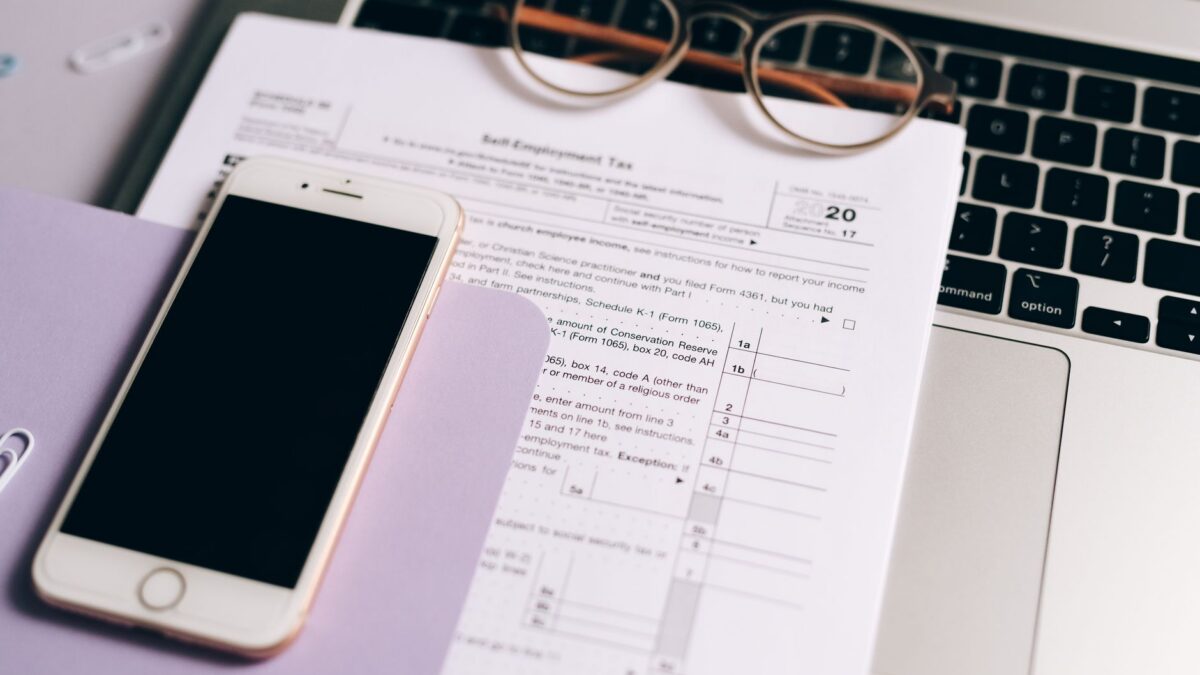
Spanish tax residents file the annual income tax return (declaración de la renta, or IRPF) for the previous year between early April and 30 June. For 2025 income, the campaign ran from 8 April to 30 June 2026. An employee with one employer must file if they earned more than €22,000, and most people file online in Renta WEB from a draft prepared by the Agencia Tributaria (AEAT).
Who has to file a Spanish tax return?
Only tax residents file this return; if you are unsure of your status, start with our guide to Spanish tax residency and the 183-day rule. According to the AEAT’s practical manual for the 2025 return, you must file if any of these apply:
- Employment income or pensions above €22,000 from one payer.
- Employment income above €15,876 if you had more than one payer and the second and later payers paid more than €1,500 in total, or if your payer was not required to withhold tax.
- Income from renting out property, together with other income, above €1,000.
- Capital losses (pérdidas patrimoniales) of €500 or more in the year.
- You were registered as self-employed (autónomo) at any point in the year. Since 2023 the self-employed must always file, whatever they earned.
Even if you are not obliged, filing can be worth it. If tax was withheld from your salary and you are owed money back, the only way to get the refund is to file.
When is the tax return campaign?
The AEAT announces the dates every spring. For reference, these were the key dates of the 2025 campaign, as published in its campaign announcement:
| Step | 2025 return (filed in 2026) |
|---|---|
| Online filing opens | 8 April 2026 |
| Phone help (“Le Llamamos”) starts | 6 May 2026 (appointments from 29 April) |
| In-person help at tax offices starts | 1 June 2026 (appointments from 29 May) |
| Last day to file with direct debit payment | 25 June 2026 |
| Last day to file | 30 June 2026 |
| Second installment of a split payment | 5 November 2026 |
The dates for the 2026 return, filed in 2027, had not been published as of November 2026. They are normally similar.
How do you log in to Renta WEB?
Renta WEB is the AEAT’s online program for preparing and filing the return. It accepts three ways to identify yourself:
- Cl@ve Móvil, the state’s electronic ID system, which can also log you in by scanning a QR code with the Cl@ve app.
- A digital certificate recognized by the AEAT, such as the FNMT certificate.
- A reference number (número de referencia). To get it, you give your NIE and the support number printed on your NIE or TIE card, plus the amount in box 0505 of last year’s return. If you did not file last year, you give instead the IBAN of a Spanish bank account you held on 31 December.
Before filing, you must also be listed in the tax census, which you can check under “mis datos censales” on the AEAT site. Our guide to digital certificates, Cl@ve and idCAT compares the ID options.
How do you check the draft and file?
- Log in and open your tax data (datos fiscales) and the draft return (borrador) the AEAT has prepared from employer, bank and property records.
- Check your personal details, your tax address and your family situation, including children and anyone else who lives with you.
- Compare each figure with your own records: payslips, the annual withholding certificate from your employer, bank interest and any rental income.
- Add what the AEAT cannot know, such as deductions set by Catalonia, rental income it has not recorded or a property bought or sold during the year.
- Choose individual or joint filing if you are married or have children, and compare the result of both.
- Enter how you will pay or the account for the refund, then submit and save the receipt with the secure verification code.
Spanish residents pay tax on their worldwide income, so salary, interest or rent from abroad also goes in. Separate rules apply to declaring assets held outside Spain, covered in our guide to Modelo 720.
Should you file jointly or individually?
A married couple with or without children, or a single parent with children, can file one joint return as a family unit. Joint filing gives a reduction of €3,400 a year for married couples and €2,150 for single-parent households, as of the 2025 return. The income thresholds for having to file do not increase in a joint return. Joint filing usually helps when one partner earns little or nothing; when both earn similar salaries, individual returns are often lower. Renta WEB can calculate both so you can compare.
How do you pay or get a refund?
If you owe tax, you can pay in one go or split the payment into 60% when filing and 40% in a second installment in November. Choosing direct debit means filing by the earlier direct debit deadline. If you are due a refund, the AEAT has six months from the end of the filing period to pay it. After that, it owes you late-payment interest on the amount.
Bottom line
Download the draft as soon as the campaign opens and compare it with your own papers rather than confirming it as it is: the draft may not include regional deductions or recent changes of address or family situation. If your case involves foreign income, a mid-year move or the special regime for inbound workers described in our Beckham Law guide, consider an asesor fiscal before the June deadline.
FAQ
Can I get free help with my tax return?
Yes. The AEAT runs a phone service called “Le Llamamos”, which prepares and files the return with you, and in-person help at tax offices, both by appointment. In 2026 the phone service started on 6 May and office help on 1 June.
Do I have to file if I earned less than €22,000?
Not if all of it came from one employer and you have no other income that triggers the obligation. You may still want to file if tax was withheld and you are owed a refund.
What is box 0505?
It is the general taxable base (base liquidable general sometida a gravamen) on last year’s return. You need the figure to request a reference number, unless you request it with Cl@ve Móvil or a digital certificate.
What happens if I file after 30 June?
Late returns are still accepted, but a late return that results in tax to pay can carry surcharges. File as soon as you notice the delay.