Train Drivers’ Strike Halves Barcelona Rodalies Services
A Spain-wide drivers' strike on Nov. 10 and 12 cut half of Barcelona's local rail services. Here is what SEMAF wants and what minimum services apply.
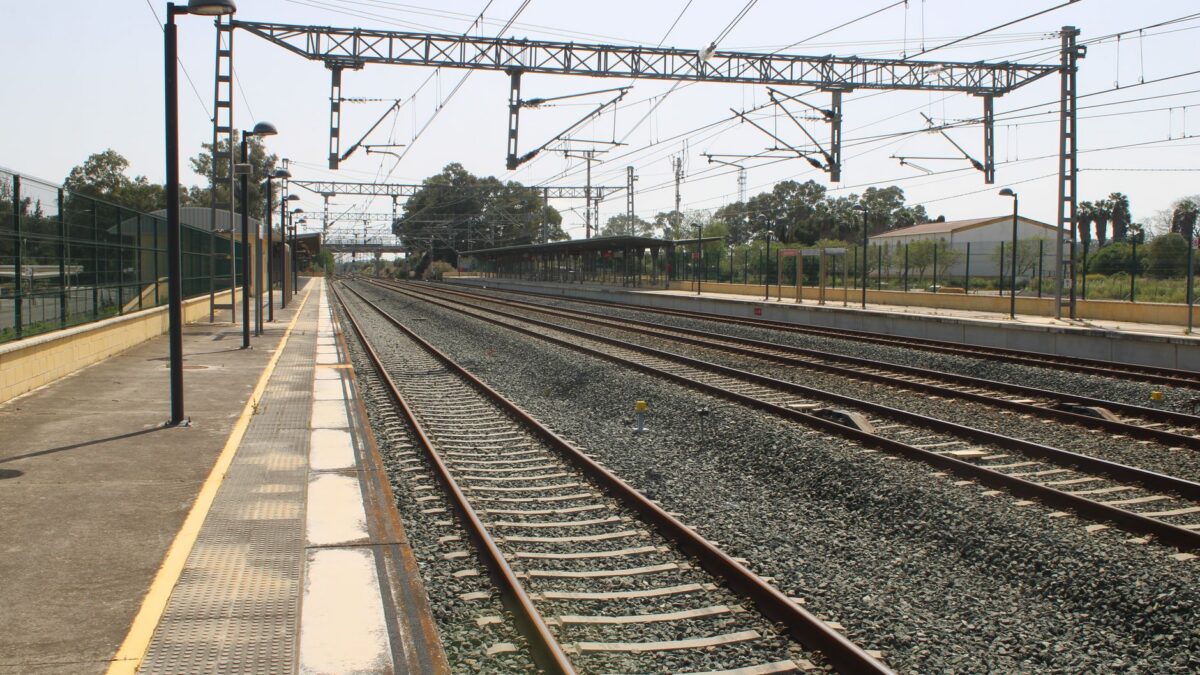
Train drivers across Spain walked out on Tuesday, Nov. 10, and Renfe, the state rail operator, reported that half of Barcelona’s local services were cancelled, according to Reuters. The stoppage runs again on Nov. 12 and covers staff across the whole Renfe group.
Renfe’s cancellations also hit around 40% of long- and medium-distance services and 90% of Madrid’s commuter trains. Anyone with a rail trip planned this week is affected, from daily commuters on Rodalies (the commuter rail network around Barcelona) to travellers heading to other cities.
Why drivers are striking
The drivers’ union SEMAF says the strike is about safety. It is calling for earlier safety commitments to be carried out and for talks to restart. The call follows two crashes this year that killed 115 people, both on the Madrid-Seville high-speed line.
According to information published by the Generalitat (the Catalan government), the union says working groups on safety rules, emergency protocols and operating procedures have been suspended since April. SEMAF also says that agreements reached in February with the transport ministry, Renfe and Adif, the company that manages the rail infrastructure, have produced no progress.
Minimum services on strike days
Spain’s transport ministry has fixed minimum service levels for both strike dates. They average 65% for medium-distance trains and 72% for high-speed and long-distance trains. Commuter networks follow separate arrangements.
In Catalonia, the minimum for Nov. 10 was set at 66% during peak hours and 33% outside them. These percentages are the levels the operator must meet. They do not promise that any individual departure will run, so a train inside the minimum can still be cancelled.
What it means for people in Barcelona
For commuters, the day-to-day effect is fewer trains on Rodalies lines and a lower service level outside rush hour than during it. With a 33% minimum off-peak, midday and evening trips face the deepest cuts in Catalonia. Rail travellers with onward connections, including flights, face the risk that a cancelled train breaks the chain of the journey.
Renfe’s own figures show how uneven the impact is. Madrid’s commuter network lost 90% of its trains, while Barcelona’s local network lost half. Long- and medium-distance services were reduced by around 40%.
What happens next
The second strike day is Nov. 12, with the ministry’s minimum service levels applying on that date as well. Renfe has confirmed both days. Travellers can check the status of a specific train with Renfe before leaving for the station, and the Catalan government’s published information on the dispute is the official source for the regional minimums. No resumption of the safety talks had been announced in the reports.
Source: Getaway Magazine