Barcelona Housing Strike Draws 55,000 to Passeig de Gràcia
Barcelona's Nov. 11 housing strike ran transport at 25% minimum service at peak hours and drew 55,000 marchers, the Guàrdia Urbana said.
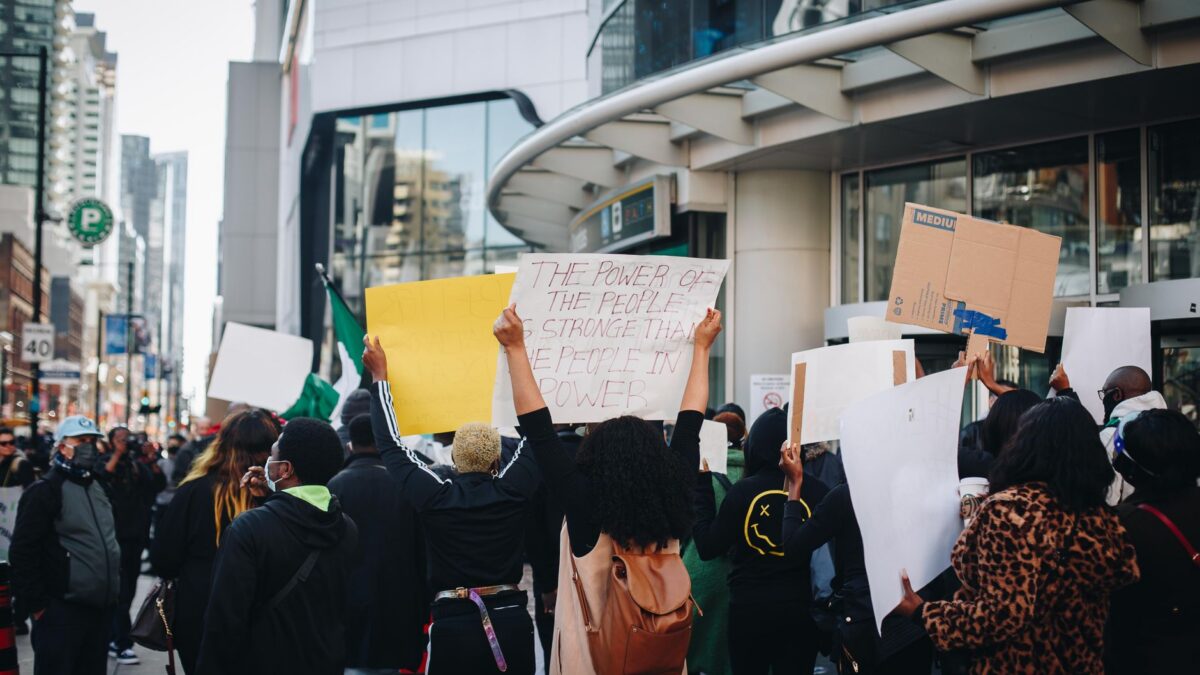
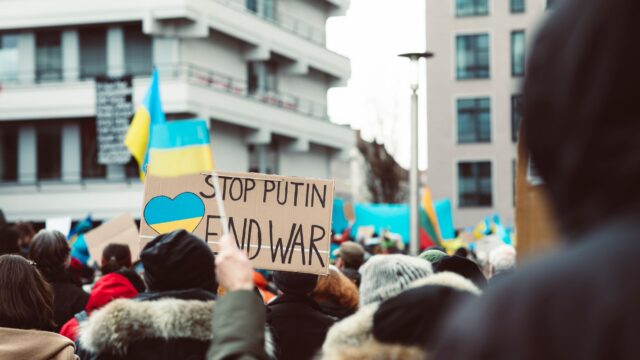
Barcelona’s first general strike since 2012 blocked roads, shut down the Mercabarna wholesale market at dawn and cut public transport to minimum services of 25% during peak hours on Nov. 11. According to the newspaper Ara, the day ended with a march that the Guàrdia Urbana (Barcelona’s city police) put at 55,000 people, followed by clashes with police and vandalized shops around Passeig de Gràcia and Gran Via.
Housing was the strike’s central demand. Neighborhood strike committees, whose aims largely match those of the Sindicat de Llogateres (Tenants’ Union), organized the day together with the large unions CCOO and UGT. It took place a few hours before the start of an election campaign.
Strong in industry, quieter in shops
The Generalitat (the Catalan government) set the minimum services for public transport, and Ara noted that the 25% figure for peak hours compares with 65% in other parts of Spain. Under the rules on strike notice and minimum services, a share of buses and trains must keep running, and in Barcelona that share was low. Pickets added road blockades, and large industrial estates stopped, with the Seat plant as the best-known example.
In the rest of the city the picture was mixed. Many small businesses opened, some with shutters half lowered, and bars and cafes mostly ran as usual, especially away from the center. Streets were emptier, though. Electricity demand early in the morning was 10% lower than on the previous Wednesday, then returned to normal as the day went on.
The unions themselves said the strike worked best where industry is large or union tradition is strong: Catalonia, the Basque Country, Aragon, parts of Andalusia and Asturias. The effect was smaller in Extremadura and the Castiles. Storm Charles also made it impossible to hold afternoon demonstrations in many places.
Turnout and the evening clashes
Official counts varied by city. The Guàrdia Urbana estimated 55,000 people in Barcelona. Police counted 20,000 in Girona, and the Government Delegation counted 120,000 in Madrid despite the rain. Demonstrations in Seville and other southern cities were canceled.
In Barcelona, several columns met at the Jardinets de Gràcia before the march. Ara described a mix of ages, with many young people and families, and a protest mood more than a festive one. Marchers who passed company headquarters called for higher wages as well as lower housing costs.
At the end of the day, hooded youths and the Mossos d’Esquadra (Catalonia’s police) clashed at the corner of Passeig de Gràcia and Gran Via, and some people tried to enter shops to loot them. Some witnesses told Ara the hooded youths were speaking English and French. Across Spain, around forty people were detained, only one of them in Catalonia. In Castelló, a minor was injured in a police intervention outside an El Corte Inglés store.
Reactions from employers and parties
Employers’ associations and right-wing parties dismissed the turnout. Vox called the strike a “general circus”. The PP aimed most of its criticism at the unions. The Spanish government kept a low profile, neither joining the strike nor staying silent about wanting it to succeed. In Ripoll, Sílvia Orriols, leader of a pro-independence far-right party, confronted members of a picket line.
What this means for the campaign
Ara’s reading is that the strike fell short of a total shutdown but still created a widespread sense of a general strike, and that the afternoon marches sent a warning ahead of an election that will help decide housing policy. The paper also wrote that the disturbances feed the right’s argument for a firmer hand.
Enric Aragonès, spokesperson for the Tenants’ Union, said while the clashes were under way that strikes and mobilizations would be repeated if gains such as rent caps were reversed. Ara adds that the PP has promised exactly that. Housing and the cost of living now open the campaign as central topics.
Source: Ara