Spanish Tax Residency: The 183-Day Rule and What It Means
Two tests decide whether Spain taxes your worldwide income. Here is how they work, what changes once you are resident and when the renta return is due.
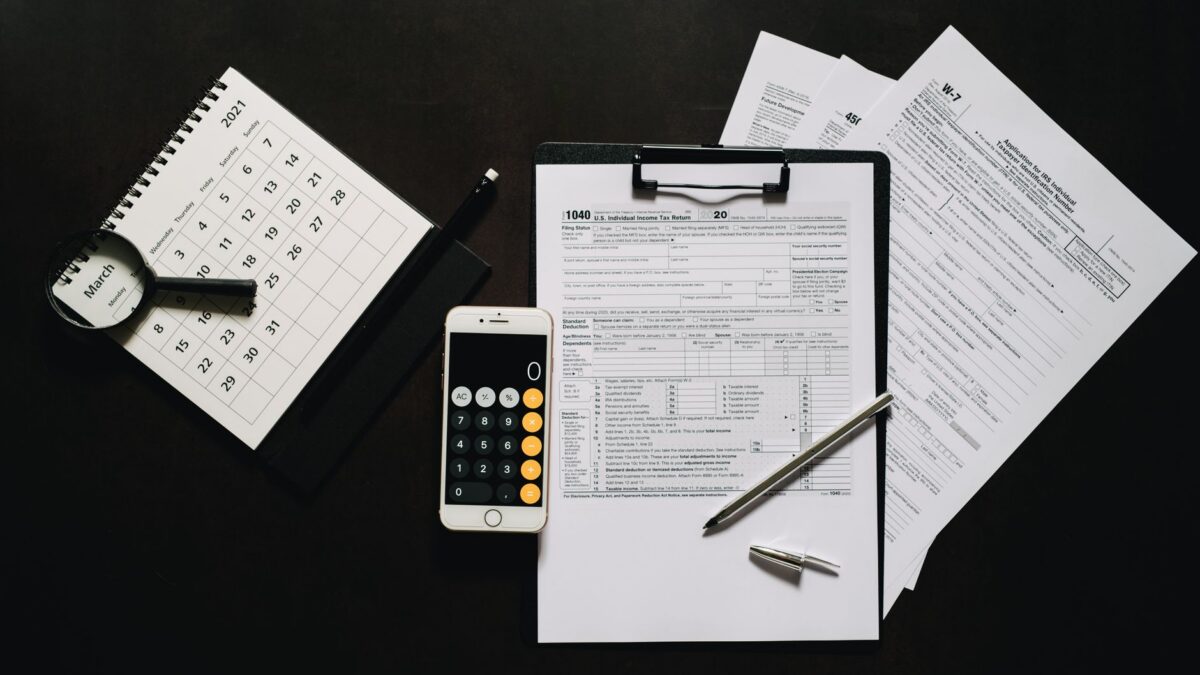
You are a Spanish tax resident for a calendar year if you spend more than 183 days in Spain that year, or if your main economic interests are in Spain. Tax residents pay income tax (IRPF) on worldwide income and file the annual return, modelo 100, usually between April and June of the following year.
What are the two tests?
Article 9 of the income tax law, available on the BOE, sets out the tests. Meeting either one is enough.
| Test | What it means |
|---|---|
| Physical presence | More than 183 days in Spain during the calendar year (1 January to 31 December). Sporadic absences count as days in Spain unless you prove tax residence in another country. |
| Economic interests | The main core or base of your activities or economic interests is in Spain, directly or indirectly, for example your business, main job or most of your assets. |
There is also a presumption: if your spouse (not legally separated) and your dependent minor children live habitually in Spain, the tax agency presumes you are resident too, unless you prove otherwise.
Days spent in Spain under unpaid cultural or humanitarian cooperation agreements with Spanish public bodies do not count.
Does Spain split the tax year?
No. Residence is decided for the whole calendar year. If you move to Barcelona in March and stay, you will normally be resident for that whole year and declare your income from 1 January, including income earned abroad before the move. If you arrive in September, you may not reach 183 days that year, but the economic interests test can still make you resident. Your previous country may also treat you as resident for part of the year, which is where tax treaties come in.
What happens if two countries claim you?
Spain has double taxation treaties with many countries. When both countries’ domestic rules make you resident, the treaty’s tie-breaker rules decide, usually looking in order at where you have a permanent home, your center of vital interests, where you habitually live and your nationality. To use a treaty, you generally need a tax residence certificate from the other country’s tax authority. This is an area where a qualified asesor fiscal is worth paying for, because the outcome depends on your exact facts.
What changes once you are a tax resident?
- Worldwide income: salary, self-employment income, pensions, rents, interest and gains from anywhere in the world go on your Spanish return, with credits for foreign tax where a treaty or the law allows.
- Foreign assets: residents with assets abroad above set thresholds must file an information return. See our guide to modelo 720, Spain’s foreign asset declaration.
- Special regime for inbound workers: some people who move to Spain for work can opt for a flat rate on employment income for a limited period. Our guide to the Beckham law explains who qualifies.
- Non-residents, by contrast, pay non-resident income tax only on income from Spanish sources.
When is the renta return due?
The annual return is filed on modelo 100 through the Agencia Tributaria‘s online service, Renta Web. For income earned in 2025, the campaign ran from 8 April to 30 June 2026, with 25 June as the last day for returns paid by direct debit. If you chose to split the payment, the second 40% installment was due by 5 November 2026.
The dates for the return on 2026 income, filed in 2027, are set each year by ministerial order. Expect a similar spring window, but check the Agencia Tributaria’s calendar once it is published.
Do you have to file a return?
Not everyone does. As of November 2026, the income tax law exempts people whose only income is:
| Income type | No return needed up to |
|---|---|
| Employment income from one payer | €22,000 a year |
| Employment income from more than one payer, when the second and later payers together exceed €1,500 | €15,876 a year |
| Interest, dividends and gains subject to withholding | €1,600 a year |
| Imputed property income, Treasury bill income and housing subsidies | €1,000 a year |
These limits have exceptions. Anyone registered as self-employed at any time in the year must file. So must people claiming a credit for foreign tax or deducting pension plan contributions. Even if you are not obliged, filing can make sense when tax was over-withheld and you are due a refund.
Bottom line
Keep a simple record of days spent in and out of Spain each year, with travel tickets or boarding passes, because it is the first evidence the tax agency will ask for. In your first year, ask an asesor fiscal if your old country still treats you as resident before you file in either place.
FAQ
Does having a TIE or EU certificate make me a tax resident?
Not automatically. Immigration status and tax residence are separate. The 183-day and economic interests tests decide tax residence, though a residence permit is evidence the tax agency can take into account.
I work remotely for a foreign company. Am I taxed in Spain?
If you are a Spanish tax resident, your salary goes on your Spanish return wherever your employer is based, subject to any treaty rules.
Can I prove I am resident in Spain for another country’s tax office?
Yes. The Agencia Tributaria issues tax residence certificates to residents who need them, for example to claim treaty benefits abroad.