Mossos Experts Cast Doubt on Footprint Clue in Isak Andic Death Case
Two Mossos mountain specialists told a Martorell judge they cannot say whether Mango founder Isak Andic's fall was a homicide or an accident. What it means.
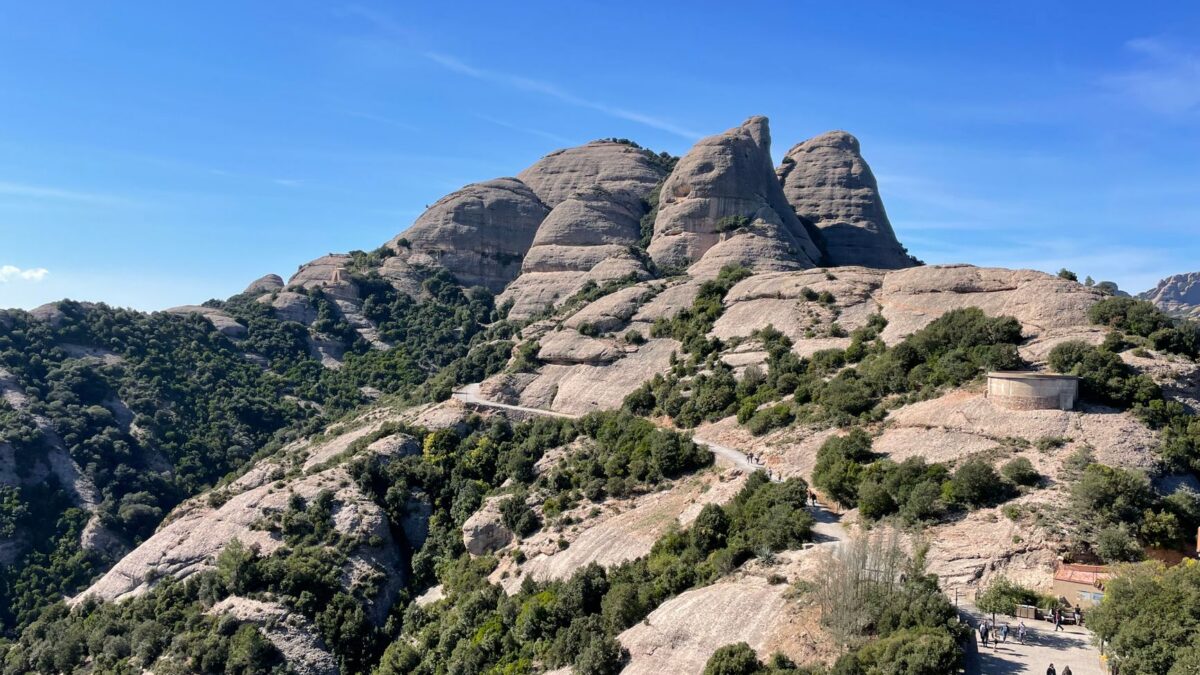
Two mountain specialists from the Mossos d’Esquadra (Catalonia’s police) told a court in Martorell on Friday that they cannot say for certain whether Mango founder Isak Andic died in a deliberate push or an accidental fall, La Vanguardia reported. Their testimony also weakened a footprint clue that helped send his son, Jonathan Andic, to prison.
Jonathan Andic is accused of the alleged homicide of his father, who died on Dec. 14, 2024, while walking on a trail at Montserrat. Defense lawyers described the session as a good day for their client, according to the newspaper.
What the mountain unit told the judge
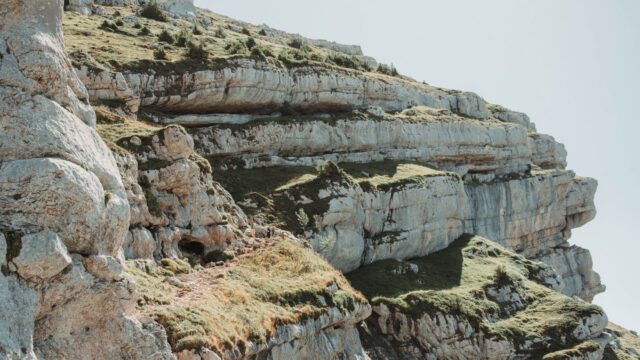
The two officers belong to the Mossos mountain intervention unit, known as UIM. Because the death happened on a mountain path, the unit was involved in the investigation from the start. The pair examined the site the day after the fall and took part in more than ten reconstructions of it.
They also prepared photographic technical reports, one the day after the death and another two months later. None of that work allowed them to establish with full confidence how Isak Andic fell. They had already written that in their reports and confirmed it in testimony lasting more than an hour, La Vanguardia said.
The disputed slip mark
The same officers had analyzed a slip mark on the path at the point where Isak Andic fell. Judge Raquel Nieto treated that mark as evidence when she ordered Jonathan Andic to prison, with bail set at one million euros.
In their earlier analysis, the specialists concluded that a shoe would have had to rub the ground at least four times in both directions to leave a similar print. That pointed to a deliberate action. Investigators suspected Jonathan Andic made the mark on purpose so the death would look like an accident.
In court, the officers said it cannot be determined whether the slip mark was already there before the fall. One reason they gave was rain in the days before. No comparison was made at the time between the mark and the shoes worn by father or son that day.
A climber who heard nothing
A climber who was hanging on one of the upper rock faces in the same area at the time of the fall also testified. La Vanguardia reported that the shape of the mountain there creates a chimney effect that let him hear clearly. He repeated what he had told Mossos investigators in Martorell: he heard no argument and no shouting.
Answering questions from defense lawyer Cristobal Martell, the climber said he passed more than a dozen people on the mountain that sunny December morning. The defense uses that point to argue that the path was busy and that anyone could have come across the father and son, which in its view makes a planned killing there unlikely.
What this means for the case
The investigation remains open. The police mountain unit, which led much of the technical work, now says it cannot call the fall a homicide, and the footprint, one of the clues behind Jonathan Andic’s detention, is in doubt. The defense has argued from the start that there is no evidence the son pushed his father off the cliff.
Source: La Vanguardia