TIE Fingerprint Appointment in Barcelona: Booking, Documents, Fee
Non-EU residents must apply for their foreigner identity card in person. This is how the toma de huellas works in Barcelona and what to bring.
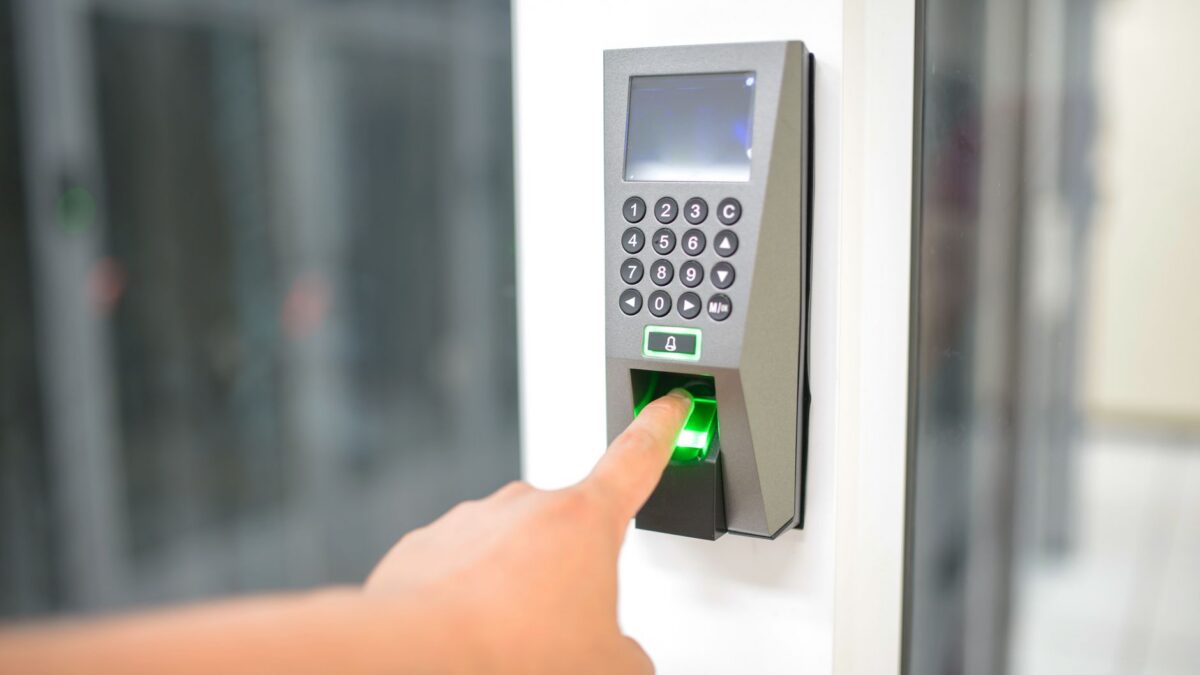
The TIE (Tarjeta de Identidad de Extranjero) is requested in person at a police toma de huellas (fingerprint) appointment booked through the government’s cita previa website. Apply within one month of entering Spain or of your permit taking effect, with form EX-17, your passport, a photo and the fee: €16.08 for a first card as of November 2026.
Who needs a TIE?
Every foreigner with a visa or authorization to stay in Spain for more than six months has the right and the duty to get a TIE. In practice that covers non-EU workers, students on long courses, family reunification cases, digital nomads, retirees with non-lucrative residence and anyone renewing or changing a permit. The card proves your legal status in Spain. Your passport still proves your identity, and the Ministry of the Interior says you must carry both.
EU, EEA and Swiss citizens do not get a TIE for themselves; they register for the green certificate covered in our guide to EU registration in Barcelona. Non-EU family members of EU citizens, and UK nationals covered by the Brexit Withdrawal Agreement, do get a TIE, with a different fee.
When is the deadline?
Article 209 of the immigration regulation, Real Decreto 1155/2024, sets one month to apply in person. The month runs from your entry into Spain if you arrived with a visa, or from the date your authorization was granted or took effect, which for some work permits depends on your registration with Social Security. Missing the deadline can lead to a fine under the immigration law, so book as soon as the clock starts.
How do you book the toma de huellas in Barcelona?
- Open the cita previa de extranjería service and choose the province of Barcelona.
- Select the police procedure for fingerprinting and card issue (toma de huellas, expedición de tarjeta). Do not pick an Oficina de Extranjería procedure; those are for permit applications.
- Enter your NIE or passport number, name and nationality exactly as on your documents.
- Pick an office and a slot from those offered. The system may show police offices anywhere in the province, including outside the city.
- Save or print the confirmation with its locator code. You will be asked for it at the door.
A representative can request the appointment for you, but you must attend in person, because the police take your fingerprints. Minors go with their legal guardian.
What should you bring?
The Ministry of the Interior lists these documents for a first card. Originals are checked and returned.
| Document | First card | Renewal |
|---|---|---|
| Form EX-17, filled in and signed | Yes | Yes |
| Passport or travel document | With entry stamp (or entry declaration made within 72 hours) | Valid passport |
| Recent color photo, white background, passport size | Yes | Yes |
| Visa | If you entered with one | No |
| Fee receipt, form 790 code 012 | Yes | Yes |
| Social Security registration | Where your permit requires it | No |
| Padrón certificate under three months old | Not on the national list | If your address changed |
Some permits, such as those under the 2013 entrepreneurs law or granted after a court appeal, also need the resolution that granted them. Offices sometimes ask for extra papers, so a recent padrón registration and a copy of your permit resolution are worth carrying.
How much does the TIE cost?
The fee is paid in advance on form 790 code 012, generated on the Policía Nacional website. Amounts as of November 2026:
| Card | Fee |
|---|---|
| First TIE for temporary residence, stay or cross-border work | €16.08 |
| TIE after renewal of temporary residence or extension of stay | €19.30 |
| TIE for long-term or EU long-term residence | €21.87 |
| TIE for family members of EU citizens or Spaniards, and Withdrawal Agreement TIE for UK nationals | €12.00 |
What happens after the fingerprints?
The card is not printed at the appointment. Keep the receipt (resguardo) the officer gives you, because you need it to collect the card and, until then, it shows that your card is in process. Collection is at the police office indicated, and in Barcelona it is usually by appointment as well. The police do not publish a fixed production time, so check the instructions on your receipt.
The card is valid for as long as the authorization behind it. When you renew your permit, you start the TIE process again; our guide to renewing a TIE covers the renewal window.
What if no appointment slots appear?
Barcelona slots are released in batches and often disappear within minutes. These steps follow the official route:
- Try at different times of day and on different weekdays. New slots are not announced.
- Accept any office in the province if you can travel there; the system lists all of them.
- Take dated screenshots of each attempt. If the one-month deadline passes, they show you tried in time.
- Ask a lawyer or gestor to request the slot as your authorized representative if you cannot spend time on it.
Appointments are free. Paying third parties who sell slots is not an official channel, and you risk losing the money and the appointment.
Bottom line
Start checking for slots the day your visa entry or permit approval sets the one-month clock running, and pay the fee only after you know which card type you are booking. If your case has complications, such as an expired passport or a change of status, check with the office or an abogado de extranjería first.
FAQ
Can I travel while waiting for my TIE?
Leaving and re-entering Spain without the card can be a problem, because the receipt is not a travel document. If you must travel, ask the police about a return authorization (autorización de regreso), which costs €10.72 as of November 2026.
Do I need to tell the police if I move flat?
Yes. TIE holders must report changes of address, nationality or family circumstances in person within one month.
Is the TIE the same as the NIE?
No. The NIE is your number; the TIE is the card that shows it and proves your status. See how to get an NIE in Barcelona.