ETIAS for Barcelona Visitors: Start Date, Cost and Cruise Rules
ETIAS is not required yet: the EU's target is 2027. What US, Canadian and Australian visitors to Barcelona will pay and how cruise arrivals are covered.
ETIAS, the European Union’s planned online travel authorisation, is not in force yet, and the EU’s current target for starting it is 2027. Until then, visitors from visa-exempt countries such as the United States, Canada and Australia can come to Barcelona for a short stay without it, whether they land at El Prat airport or arrive on a cruise ship. Once it starts, it will cost €20, last up to three years and apply to arrivals by air, land and sea.
What is ETIAS and who will need it?
ETIAS (European Travel Information and Authorisation System) is an electronic permission to travel for people who do not need a visa to visit the Schengen Area, the group of European countries without internal border checks that includes Spain. The European Commission describes it as a travel authorisation for non-EU nationals from 59 visa-exempt countries travelling to 30 European countries. Those 30 are the 29 Schengen states and Cyprus. Ireland keeps its own visa policy and does not plan to require ETIAS.
The Commission stresses that ETIAS is not a visa: the application is much simpler and involves no embassy visit, according to Wikipedia’s page on the system. Applicants are screened before they travel for security threats, risk of irregular migration and high epidemic risk. An approved ETIAS does not guarantee entry. Border officers of the country you arrive in still make the final decision.
People with two nationalities are treated differently if one of them is from an EU or Schengen country. Someone who holds both an Italian and a Canadian passport, for example, will not need ETIAS, cannot apply for it and must travel on the European document.
When does ETIAS start?
The published target is 2027, without a day or month. The legal basis has existed for years: the European Parliament and the Council adopted Regulation (EU) 2018/1240 on Sept. 12, 2018. The launch was first planned for January 2021, then moved to 2022, to March 2023, to November 2023, to 2025 and to the final quarter of 2026.
The latest delay follows trouble with the Entry/Exit System (EES), the biometric registration of non-EU visitors at Schengen borders. In the first half of 2026 the first phase of EES caused long border delays, with projected airport queues of up to five hours. The EU then moved ETIAS to 2027 so that airports and border authorities have time to test their systems and settle the existing procedures. ETIAS is planned to follow a year after EES, which is why where cruise passengers register for EES in Barcelona is the more urgent question for anyone sailing soon.
How much will ETIAS cost and how long will it last?
The fee will be €20 per application for travellers between ages 18 and 70. The 2018 regulation originally set it at €7. The European Commission raised the price in July 2025 and gave inflation, the cost of maintaining the system and the prices of similar authorisations in other countries as reasons.
An authorisation will be valid for three years and for multiple entries. It ends earlier if the passport it was issued for expires first.
Does ETIAS change the 90-day rule?
No. Visa-exempt visitors will still be limited to 90 days in any 180-day period, as explained on Wikipedia’s page on Schengen visa policy. The count looks back over the 180 days before each day of the stay and covers the Schengen Area as a whole. A cruise that calls at Barcelona and then at ports in other Schengen countries draws on the same allowance.
Some details matter for longer trips:
- Time spent in Gibraltar counts as time in the Schengen Area for the visa-free limit.
- Cyprus has its own limit of 90 days in a 180-day period, calculated separately from Schengen.
- Days spent in the Schengen Area on a long-stay visa or a residence permit do not count towards the 90 visa-free days.
What does ETIAS mean for cruise passengers in Barcelona?
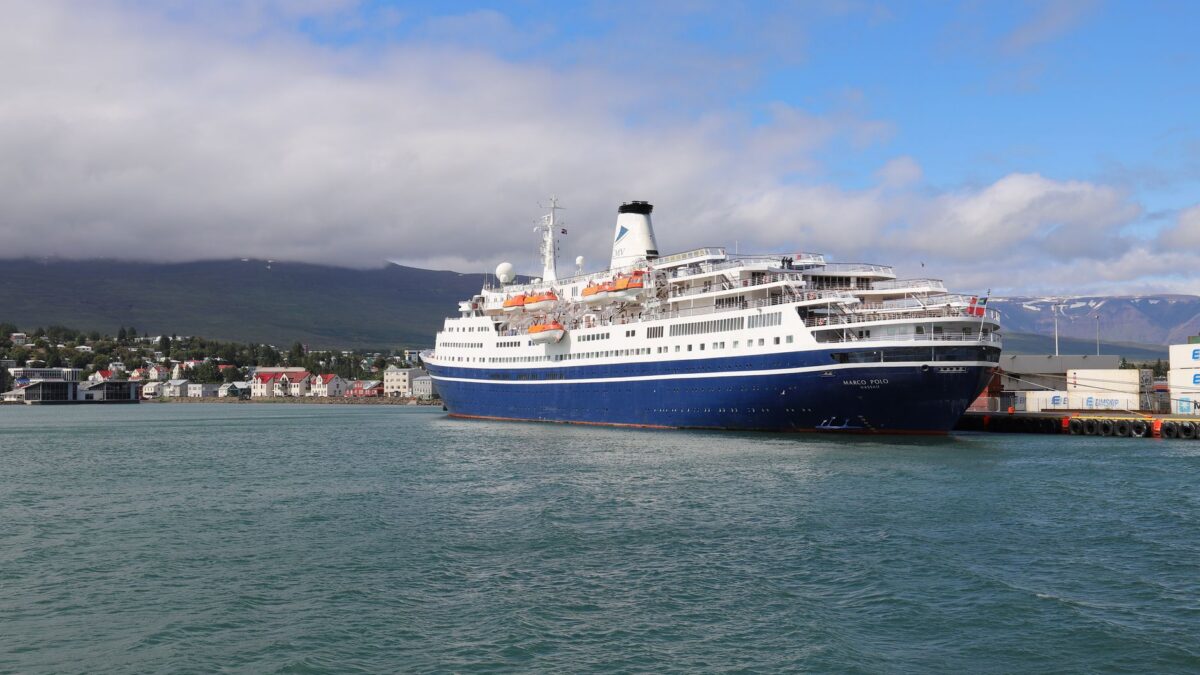
ETIAS will be required for entry by sea as well as by air and land, so it covers ships that arrive in Barcelona from outside the Schengen Area. Port de Barcelona says passengers from all over the world come to the city to board their ships and use the airport’s connections to get there. A US, Canadian or Australian traveller who flies into El Prat to join a cruise crosses the Schengen border at the airport. One who sails in from a port outside the area crosses it at the cruise terminal. In both cases the authorisation will be needed once the system is running.
What should visitors check before booking a 2027 trip?
Several practical points depend on announcements that will come closer to the launch. Check them on the EU’s official ETIAS website and with your airline or cruise line before you pay for a trip in 2027:
- the exact date from which an authorisation is required;
- when applications open and how long before travel you should apply;
- how your airline or cruise line will check the authorisation before boarding;
- how passengers who only go ashore for a few hours during a port call are treated.
Apply only through the EU’s official website when it opens. ETIAS is administered by eu-LISA, the EU agency that runs large border IT systems.
Quick answers
Do I need ETIAS to visit Barcelona now?
No. ETIAS is not operating, and the EU’s target for starting it is 2027. Visa-exempt visitors can still enter Spain for up to 90 days in any 180-day period without it.
Is ETIAS a visa?
No. It is a travel authorisation for people who already travel visa-free. It will cost €20 for travellers between ages 18 and 70 and will be valid for three years or until the passport expires, whichever comes first.
Does an approved ETIAS guarantee entry to Spain?
No. It will be a condition for travelling, and the border officer at the airport or port still decides whether to admit you.
I have an EU passport and a Canadian one. Will I need ETIAS?
No. Dual nationals of an EU or Schengen country are not eligible for ETIAS and must travel on their EU or Schengen document.
Checked against official sources in November 2026. Hours, prices and rules change: confirm on the official page before you go or apply.