Opening a Bank Account in Spain as a Foreigner: What Banks Ask
What Spanish banks ask from newcomers, how resident and non-resident accounts differ, and the legal right to a basic payment account.
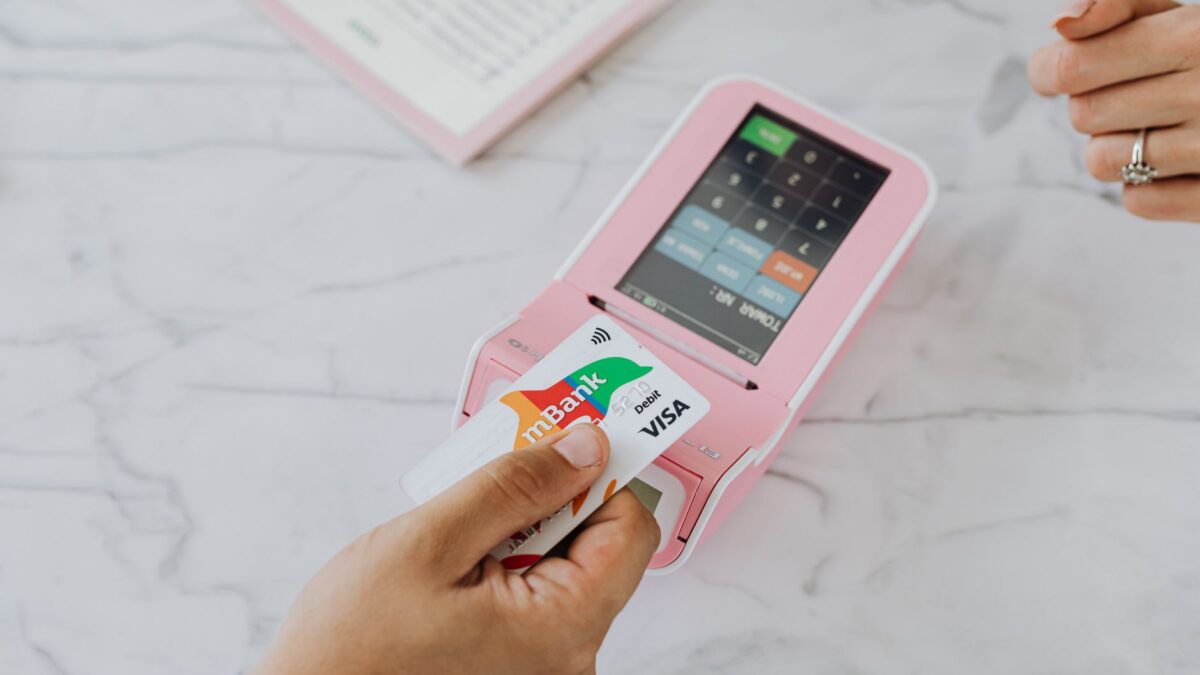
Foreigners can open a bank account in Spain with a valid passport or ID, and most banks also ask for an NIE and proof of address. Anyone legally resident in the EU has a right to a cuenta de pago básica (basic payment account), which costs at most €3 a month as of November 2026.
Resident or non-resident account: which one do you need?
Spanish banks classify customers by tax residence. If you live in Spain, you open a resident account. If you live elsewhere and only need an account for a holiday home, a deposit or bills, you open a non-resident account. The difference matters for taxes and reporting, not for daily use: both come with cards, transfers and online banking.
| Resident account | Non-resident account | |
|---|---|---|
| Who | People living in Spain (tax residents) | People living abroad |
| Identity | Passport or ID, NIE, TIE or EU registration certificate | Passport or ID; NIE often requested |
| Extra paperwork | Proof of address, often the padrón; proof of income or employment | Often a certificate of non-resident status from the police |
| Tax | Interest reported for Spanish income tax | Spanish tax rules for non-residents apply |
If you are unsure which applies, our guide to Spanish tax residency and the 183-day rule explains how residence is decided.
Which documents do banks ask for?
Banks must identify customers under Spain’s anti-money laundering law, and each bank sets its own list within that law. Expect most of these:
- Passport or national ID, valid.
- NIE, on a TIE card, EU registration certificate or NIE document. See how to get an NIE in Barcelona.
- Proof of address: a padrón certificate, rental contract or utility bill.
- Proof of activity or income: a work contract, payslips, a university letter or a pension statement. Banks ask what the account is for and where the money comes from.
- Certificate of resident or non-resident status, if the bank requests it. The police issue it after an application on form EX-15; the fee on form 790 code 012 is €7.31 as of November 2026.
A bank can refuse to open the account if you do not provide the information it needs to assess money laundering risk, so answer the questionnaire fully.
Do you have a right to a basic account?
Yes, in many cases. Under Real Decreto-ley 19/2017, every credit institution that offers payment accounts must offer a basic payment account to people who:
- reside legally in the European Union, including people without a fixed address
- are asylum seekers
- have no residence permit but cannot be expelled for legal or practical reasons
The bank cannot make the account conditional on buying other products, such as insurance. It can refuse only in specific cases: you did not provide the information required under anti-money laundering rules, opening it would harm national security or public order, or you already hold an account in Spain that offers the same services.
What does a basic account cost and include?
Orden ECE/228/2019 caps the charge at €3 a month, as a single fee, as of November 2026. For that the bank must provide:
- opening, use and closing of the account
- cash deposits in euros
- cash withdrawals in euros at the bank’s own branches or ATMs in Spain and the rest of the EU
- payments with a debit or prepaid card, including online payments in the EU
- up to 120 euro payments a year within the EU by transfer, standing order or direct debit
Operations beyond those 120 can be charged, but not above the bank’s average fees for that type of operation. People in a vulnerable situation or at risk of financial exclusion can get the account free under Real Decreto 164/2019; ask the bank for the conditions.
How do you open the account, step by step?
- Work out if you need a resident or non-resident account.
- Collect your passport, NIE document and proof of address and income.
- Compare banks’ standard accounts; many waive fees if you pay in a salary, while the basic account has the legal €3 cap.
- Apply online or at a branch. Some banks let you complete identification by video; others ask you to come in.
- Answer the anti-money laundering questionnaire and sign the contract.
- Ask for the IBAN certificate, which employers and landlords request.
What if the bank says no?
For a basic account, the bank must tell you in writing, free of charge and with specific reasons, within ten working days of receiving your complete application. It must also explain how to complain. Complain first to the bank’s customer service department. If you are not satisfied, you can take the complaint to the Banco de España’s complaints service, the official channel for disputes with banks.
Bottom line
Ask specifically for a cuenta de pago básica if a bank offers you only accounts with high fees or bundled products; the legal cap and the written refusal rule give you leverage. If your tax status is complicated, for example you split the year between two countries, ask an asesor fiscal before telling the bank if you are resident.
FAQ
Can I open an account before I have an NIE?
Some banks open non-resident accounts with a passport only, and others insist on the NIE. Ask the bank before you go.
Do I need a Spanish account to rent a flat?
Not legally, but landlords prefer a Spanish IBAN for rent and the deposit. Our guide to rental deposits in Barcelona covers upfront payments.
Can a bank close my basic account?
Yes, in limited cases, for example if the account is used for illegal purposes or has no transactions for more than 24 consecutive months.