Barcelona General Strike Splits Unions and Employers on Turnout
Papers disagree on the Nov. 11 general strike: unions claim 84% turnout in Catalonia, employers say under 5%. Metro stopped seven hours; riots followed.
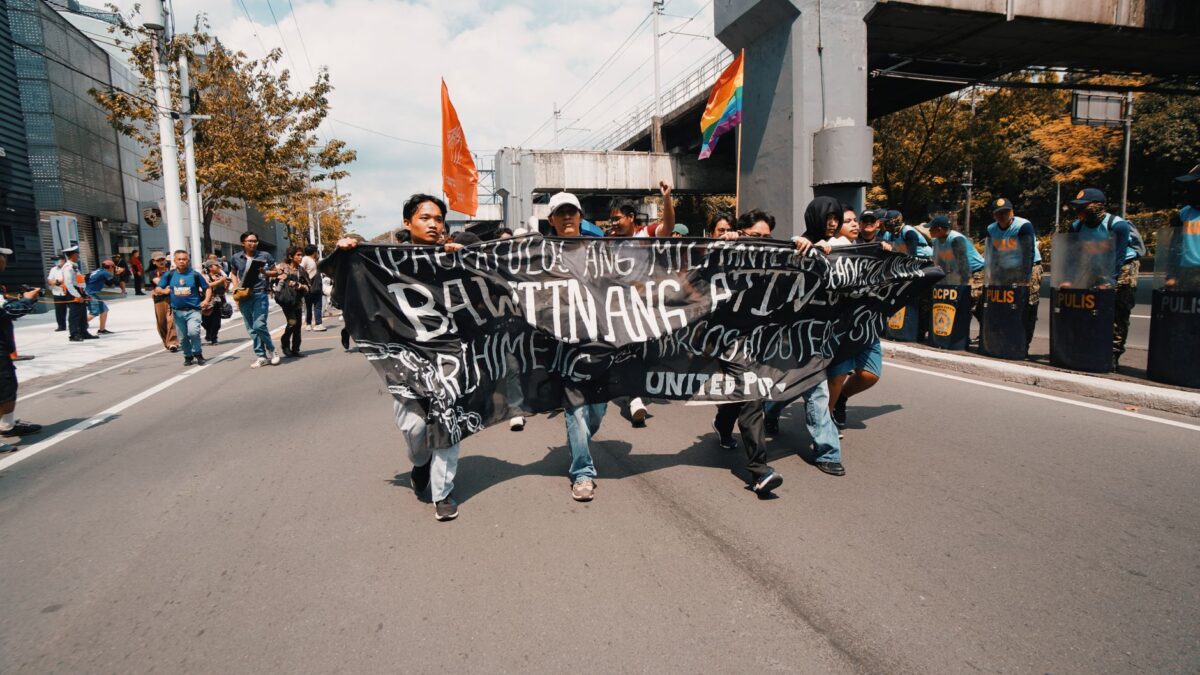
Newspapers in Catalonia and Madrid read Wednesday’s general strike very differently on Thursday, Nov. 12. Catalan outlets mostly call the stoppage a success despite uneven turnout, while conservative Madrid papers call it a failure, according to a review of the front pages published by go.eln.cat.
The papers agree on a few facts. Participation was strongest in industry and transport, weaker in services, and the march in Barcelona was followed by a night of riots.
How many people marched
La Vanguardia reports that demonstrations drew crowds in both Madrid and Barcelona. It attributes its Barcelona figure to the Guàrdia Urbana (the city’s municipal police). The author of the front-page review questions that count, arguing that aerial images show hundreds of thousands of people in Barcelona. Crowd estimates for the march therefore differ depending on who is counting. El País says tens of thousands marched for housing and wages.
Rain fell on the Madrid demonstration. El Mundo used that to mock the strike, while ABC wrote that the unions UGT and CCOO blamed the weather for weak participation.
Turnout figures that do not match
The unions and the employers’ group CEOE are far apart. El Periódico reports that UGT and CCOO called the stoppage a success, while the CEOE put participation below 5% of workers. El Punt Avui says the unions measured 84% participation in Catalonia.
The papers also disagree on electricity use, a rough gauge of activity. El Periódico says consumption fell 5% across Spain compared with a normal day. El Mundo puts the drop at only 2.5%.
Where the strike was felt
La Vanguardia says Catalonia had the highest participation of any region, with the strongest following in industry, the car sector and logistics. El Periódico reports that the Seat and Ebro plants stopped completely and that metro users went without service for seven hours. Ara describes a strong effect on transport and industry during the day and thousands of people at afternoon marches.
The night after the march
Ara and La Vanguardia both report vandalism and riots in Barcelona after the demonstration, and La Vanguardia says looting returned. El Punt Avui, which headlines the strike as a triumph in Catalonia, says violent groups tried to hijack the celebration with incidents overnight. ABC claims that only radicals forced some shops to close. The sources give no arrest or damage figures.
Why it matters for residents
For people in Barcelona the strike meant a metro shutdown and stopped car plants, followed by disorder in the city center after the march. There is no agreed measure of how many workers took part, so each side’s number reflects its own count.
In an editorial titled “La vaga del descontentament” (the strike of discontent), La Vanguardia says it is hard to call the strike a success or a failure. It argues that it could only be judged a success if it helps solve the country’s first problem.
What happens next
El País reports that CCOO and UGT warn of more stoppages after 29-N if the next Spanish government cuts pensions or public services.
Source: go.eln.cat