Barcelona Strike March: 400,000 by Activists, 55,000 by the City
Housing activists put Barcelona's general strike march at 400,000 people, city officials at 55,000. See the dispute, the clashes and what comes next.
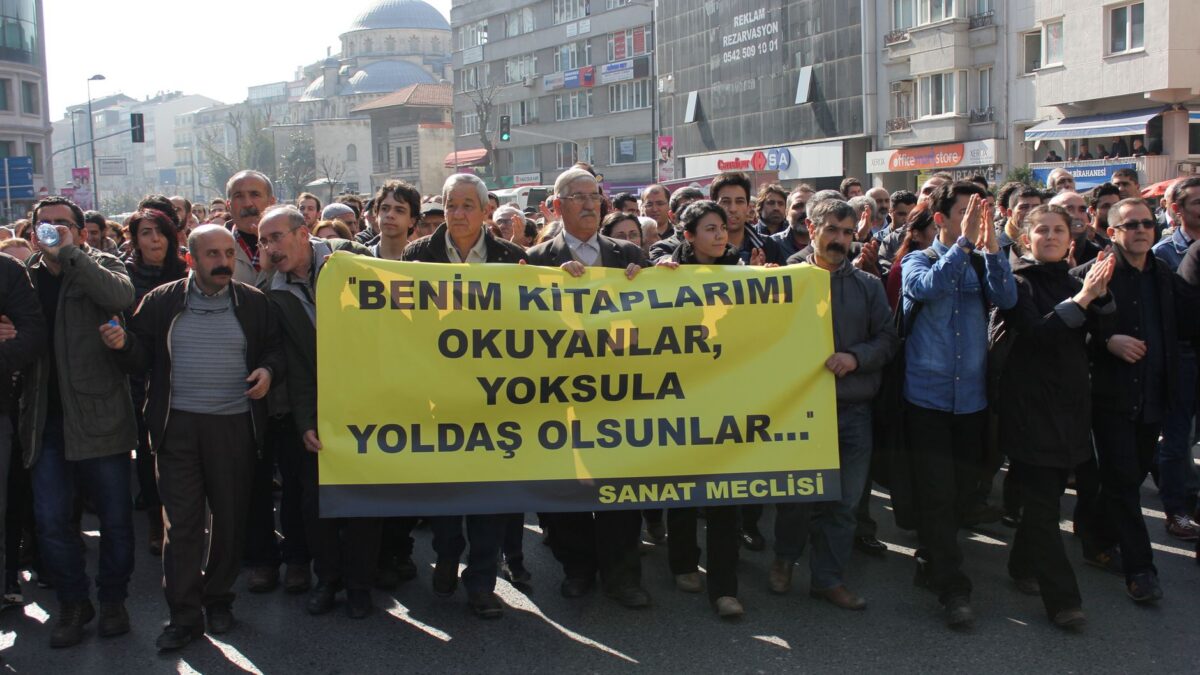
Nobody agrees on how many people marched through Barcelona during Spain’s first general strike in 14 years. Housing activists said 400,000 took part, while city officials counted 55,000, according to The Associated Press (AP). The gap is one of several disputes over the size and meaning of the stoppage, which came less than three weeks before Spain’s Nov. 29 election.
The march itself was largely peaceful, AP reported. Violence followed, with clashes between protesters and police in both Barcelona and Madrid.
What happened on Passeig de Gràcia
In Barcelona, some demonstrators vandalized stores along Passeig de Gràcia, the city’s well-known shopping boulevard. They lit small bonfires and launched fireworks at officers who arrived in riot gear and armored vehicles, according to AP. The Guardian also reported clashes in the streets of both cities on Nov. 11.
In Madrid, government officials reported another 120,000 demonstrators despite heavy rain, and police used pepper spray against some of them, AP said. Arrests were made across the country. The strike disrupted public transport, forced some businesses to close and blocked major roads. The BBC described serious disruption to transport and other public services.
Two sets of numbers for one march
The Barcelona figures differ by a wide margin. The 400,000 figure comes from housing activists. The 55,000 estimate comes from city officials.
The Guardian wrote that millions of Spanish workers joined the strike nationwide. Spain’s largest labor unions called the strike a success, while business groups disputed claims of widespread participation, according to the reports.
Why people went on strike
The main unions called the stoppage over housing and the high cost of living. Protesters demanded relief from rising rents. The unrest follows the eviction of an 87-year-old Madrid woman who had lived in her apartment for seven decades. According to the BBC, she had reportedly faced a tripling of her rent and died weeks later.
Prime Minister Pedro Sánchez, a Socialist, called snap elections last month after parliament failed to approve his plan for housing reform. He reportedly encouraged workers to use their right to strike. Conservative opposition leaders say the government is exploiting the unrest for electoral gain, according to the BBC.
What this means for the vote
The housing crisis has become a major political issue ahead of the Nov. 29 parliamentary elections. Unions declared the strike a success, and business groups questioned how widely workers took part.
For readers in Barcelona, the immediate effects were disrupted transport, closed businesses and damaged shops on Passeig de Gràcia. Our guide to strike notice rules and minimum services explains how such stoppages are supposed to work for essential services.
What to watch next
Spaniards vote in the parliamentary election on Nov. 29. Conservative opposition leaders accuse Sánchez’s government of exploiting the strike for electoral gain.
Sources: The Guardian, Yahoo, BBC