Barcelona Tenders €6.8 Million Upgrade of 12 Intercity Bus Stops
Barcelona has opened tenders to upgrade 12 intercity bus stop areas on Diagonal, Gran Via and Meridiana, with public toilets under study.
The Ajuntament de Barcelona (city council) has opened tenders for two contracts to improve the stops used by intercity buses along the Diagonal, Gran Via and Meridiana corridors. Ara reports an investment of about 6.8 million euros, spread over 12 stop areas.
The council will also study adding public toilets, according to betevé. Today most passengers on these routes board and get off on the pavement, with no service infrastructure around them.
The 12 stop areas on three corridors
The work is split into two packages and covers three corridors. The council listed these locations:
- Diagonal: Zona Universitària, Palau Reial, Pius XII and Maria Cristina.
- Gran Via: plaça d’Espanya, ronda de la Universitat, plaça de Tetuan and ronda de Sant Pere.
- Meridiana: Fabra i Puig, Sagrera-Garcilaso, Sagrera-Felip II and Clot.
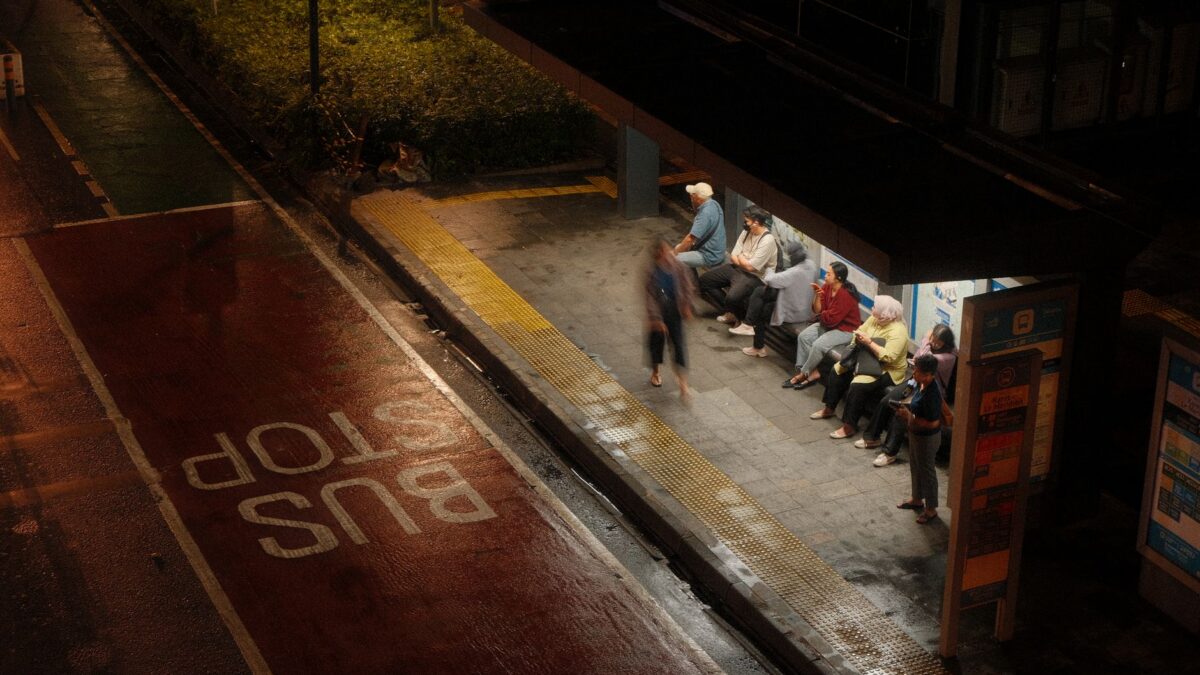
Intercity buses (autobusos interurbans) connect Barcelona with other towns. The council says thousands of intercity bus trips run every day, and that 90% of that activity takes place in public space, on the pavement.
What the contracts include
The council admits that the current shelters have shortcomings in infrastructure and services. The tendered projects set out a series of changes to fix that.
On information, the plans include updating the physical signs, adding timetables and waiting times, and making lines, destinations and operators easier to identify. The council also wants better information on connections with the metro, the city bus and the tram.
On comfort, the contracts cover installing and renewing benches, accessible seating and bins. Sun protection and shade, adapted to each site, are planned as well. The council will study planting new trees where possible and adding drinking fountains. Public toilets are one of the items under study.
On access, the council says it will guarantee accessible routes linking the bus stops with the main pedestrian paths, and remove architectural barriers and obstacles. Ara describes the aim as bringing waiting conditions at the stops into line with each other and adapting them to how passengers move.
Any changes will have to be coordinated and agreed with the Generalitat de Catalunya (the Catalan government) and with the bus operators, the council said.
What this means for intercity bus passengers
Deputy mayor Laia Bonet said that about 90% of the users of those daily trips get on and off directly in the street, without infrastructure at the level they need. She said the city wants to improve comfort, access to the buses and the information given to passengers.
Public toilets were already on the table before the tender. Promoció del Transport Públic, an association that campaigns for public transport, called last week for better waiting areas at intercity stops, and installing public toilets was one of its requests. The tender now lists toilets among the items to be studied, though the sources do not say whether any will be built.
What happens next
According to Ara, the plan is to draw up the projects in 2027 and carry them out the following year. The contracts are for the design and works at the 12 areas, so the changes would reach the pavements only after those projects are finished.