Catalonia’s 25% Strike Minimum Services Come From a 2006 Pact
Catalonia's minimum services in the Nov. 11 strike follow cold agreements signed in 2005 and 2006. What they set for transport, health, freight, schools.
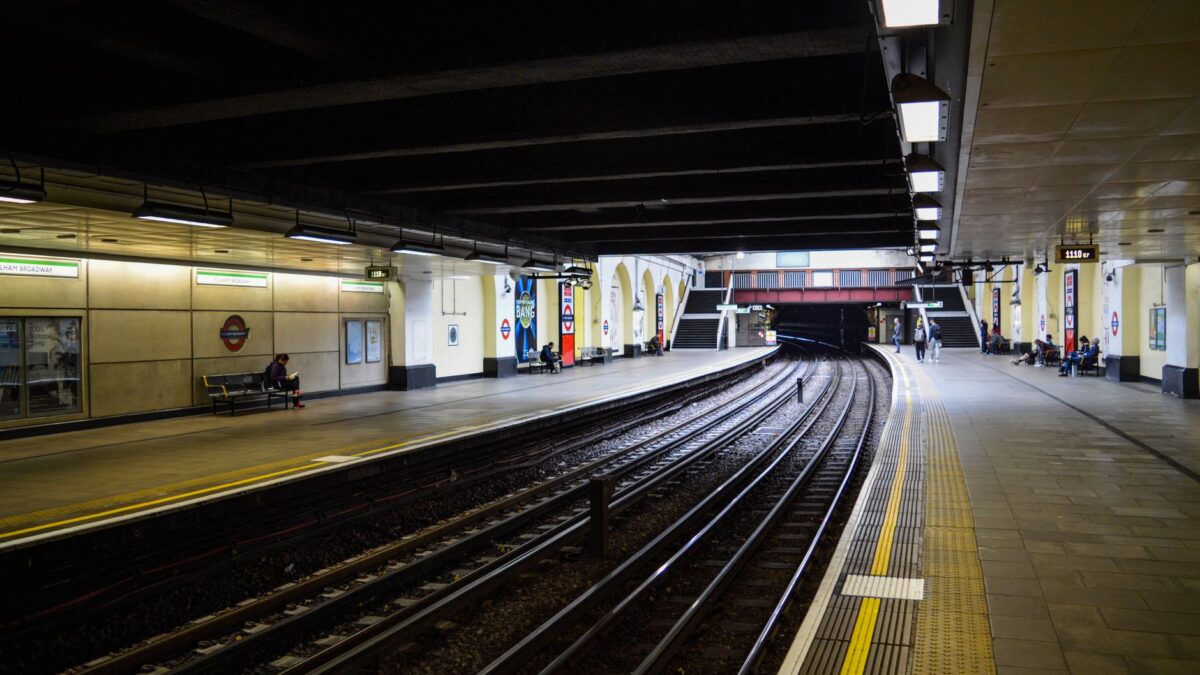
The minimum services that kept Rodalies, Metro and other Catalan transport running at 25% during the Nov. 11 strike come from framework deals signed two decades ago, the Catalan daily Ara reported. Those deals explain why services in Catalonia were set differently from the rest of Spain.
Business groups have objected. Foment del Treball (Catalonia’s main employers’ association) and Pimec (the small and medium business federation) said last week they were surprised by the levels and called them extremely low, according to Ara.
What the “acords en fred” are
Between 2005 and 2006, the Generalitat (Catalan government), trade unions and employers negotiated a set of minimum services to apply whenever a general strike is called. They are known as acords en fred, or “cold agreements”, because they were signed at a calm moment in labour relations. Sources at the Generalitat’s department of Empresa i Treball (business and labour) told Ara there was no open dispute at the time, which was meant to keep competing interests out of the talks.
Minimum services exist so that tasks the community considers essential keep working during a strike. Catalonia reached three separate agreements: one for health, one for passenger transport and one for freight.
Transport: 25% at rush hour
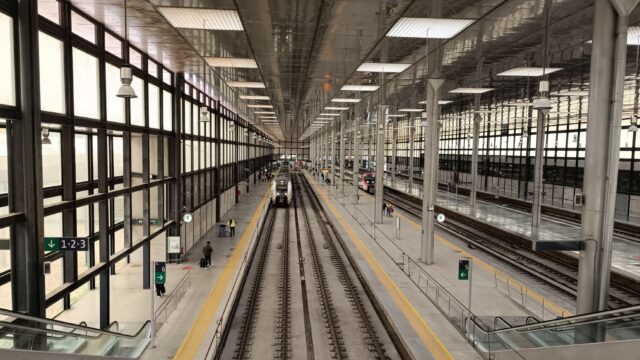
The transport agreement, signed on Sept. 14, 2006, says services such as Rodalies (commuter rail), Metro and Ferrocarrils (Catalan regional railways) should run at 25% in two windows: 6.30 to 9.30 in the morning and 17 h to 20 h in the evening, according to the text Ara obtained.
On Nov. 11 those rules were applied with some flexibility. Trains and metro did run at 25%, but the evening window was stretched by an hour and a half, and Catalan transport operated from 16.30 to 21 h.
Health care and freight
The health agreement of May 26, 2005, requires emergency care and treatments that cannot be postponed to continue. Other services run as they would on a public holiday. In centres whose holiday staffing matches a normal working day, the level becomes 50%. Primary care keeps 25% of its usual staff for non-urgent services, and that is how it was applied on Nov. 11.
The freight agreement, signed on Feb. 20, 2006, stops all goods transport except supplies essential to health centres and pharmacies and goods that cannot be kept for more than 24 hours. That rule was also applied on Wednesday.
Schools have no framework deal
Education, social services and public-facing citizen services have no framework agreement setting their minimum services. For schools, Catalonia agreed lighter levels this year than other regions, Ara reported:
- Catalonia: one teacher for every six classes in primary schools.
- Valencia: one teacher for every four class groups.
- Madrid: the regional government first set one teacher per 50 pupils in primary and infant schools, but the Tribunal Superior de Justícia de Madrid (the region’s high court) suspended that ratio during the strike day itself.
What it means for residents
For commuters in Barcelona, the cold agreements make the outline of a general strike fairly predictable: reduced trains concentrated at rush hour, with emergency health care protected and most freight stopped. The exact hours can still shift, as the longer evening window on Nov. 11 showed. Schools have no such baseline, and their staffing levels for this strike were agreed separately.
Source: Ara