Ciutat Meridiana Wins €25 Million for 32 Neighborhood Projects
Ciutat Meridiana gets €25 million from the Pla de Barris i Viles for 32 projects, from new elevators to shade and green space, running 2027 to 2031.
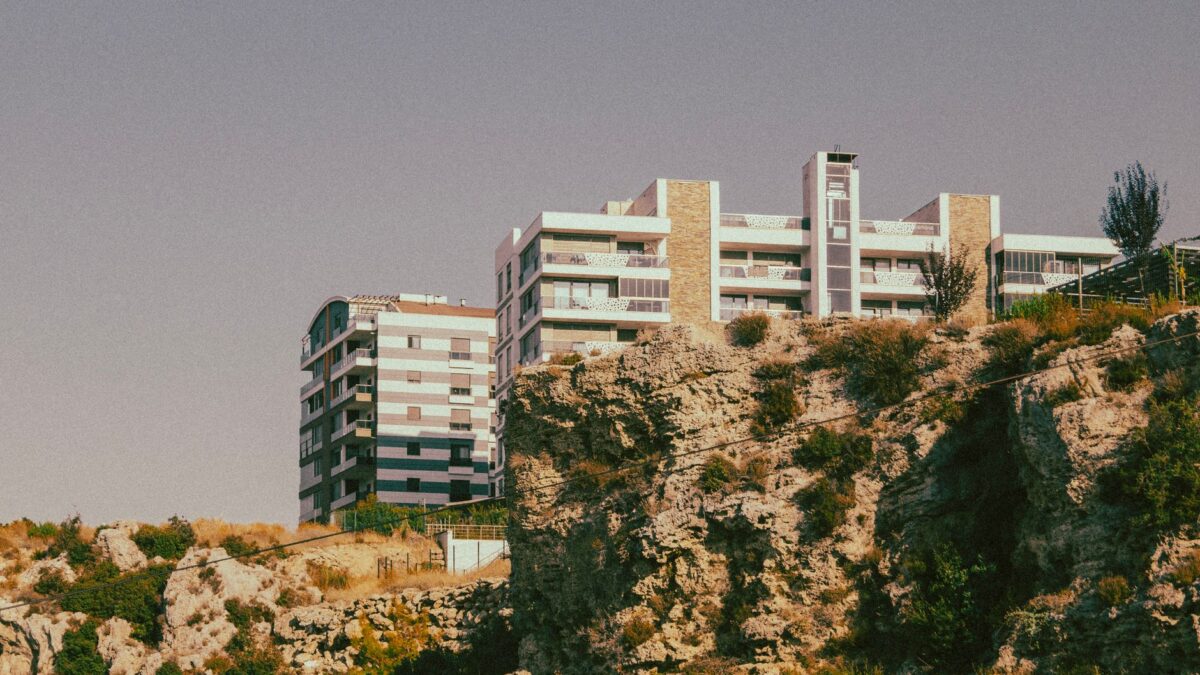
Ciutat Meridiana, in Barcelona’s northern Nou Barris district, has been awarded €25 million under the second call of the Pla de Barris i Viles de Catalunya (the Catalan government’s neighborhoods and towns improvement plan). The money will pay for 32 projects between 2027 and 2031, according to the Ajuntament de Barcelona (the city council) and the broadcaster betevé.
The Generalitat (Catalan government) puts up half of the sum and the city council covers the rest, in equal shares. The funds come on top of the money already budgeted for the city’s own Pla de Barris in the Zona Nord, the area that also includes Torre Baró and Vallbona.
Public space on steep ground
The largest single item is €10 million for work on public space around Perafita and de les Agudes streets. The neighborhood sits on steep slopes, and the plan finishes the redesign of the courtyard areas between apartment blocks (known as interiors d’illa) that have not yet been urbanized.
The council says the work will improve accessibility, reorganize parking, renew utility networks and add green surface. Betevé reports that more escalators and wider bike lanes are also planned. The plan also covers new community facilities in the Parc de l’Aqüeducte. For now, the budget pays for drafting the projects and handling the planning paperwork needed before construction.
Elevators, home repairs and cooler streets
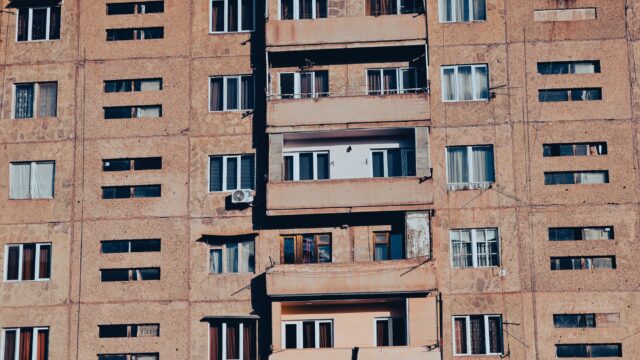
The council will spend an extraordinary €1 million so that up to 10 new elevators can be installed in residential buildings. According to the council, missing elevators are a source of inequality and can leave residents isolated. Terrain and the need for agreement among neighbors’ communities make installations hard, so the program includes help with those agreements as well as a subsidy.
Inside homes, training-and-employment projects are expected to rehabilitate the interiors of more than 150 flats belonging to vulnerable residents. A separate grant line will help pay for better lighting, replacement of old appliances with more energy-efficient ones and the installation of fans.
Shaded areas will grow in places such as the plaza at Ciutat Meridiana metro station and the Parc de l’Aqüeducte. The plan also lists water play areas and new trees. Access routes to Collserola, the natural park behind the city, will be improved, and the lower part of the Can Cuiàs valley, which separates the neighborhood from Montcada, will be renaturalized.
Programs for young people and against loneliness
The project rests on four lines of work: public space and facilities, housing accessibility and climate adaptation, educational leisure for adolescents and young people, and lifelong learning and job skills.
Outdoor sports areas will be created in school playgrounds, paired with a sports program for ages 12 to 25 that the council describes as socio-educational. Other measures include a program to prevent unwanted loneliness among teenagers and older people, support for families raising teenagers, and job training aimed at the feminization of poverty. Projects against toxic masculinities are part of the package. The list also names air conditioning at the Institut Pablo R. Picasso and efforts to attract new stalls to the Mercat de Ciutat Meridiana.
Why it matters for the neighborhood
The council points to almost 10 years of intensive intervention through neighborhood plans, which it says have cut early school dropout, helped create a new education zone and produced the Parc de l’Aqüeducte and new escalators. It adds that social, housing, urban and economic indicators still place Ciutat Meridiana among the neighborhoods with the greatest need for intervention. The new funding extends that work and adds actions the municipal plan did not include.
What happens next
Actual deployment is due to begin in January 2027 and run for five years. The call allows a further extension of up to three years.
Sources: betevé, Ajuntament de Barcelona