General Strike Halts Catalonia Public Transport for Seven Hours
Spain's general strike suspended Rodalies, FGC, metro and buses in Catalonia from 9.30 a.m. to 4.30 p.m. Wednesday. Peak service is 25 percent.
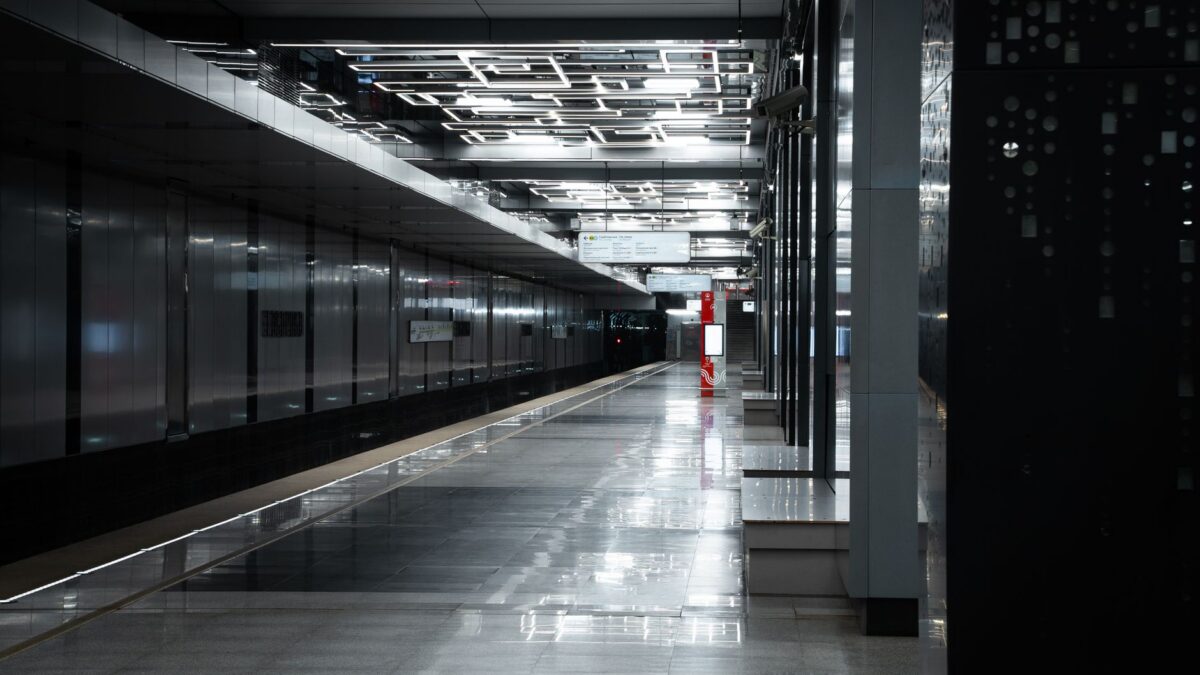
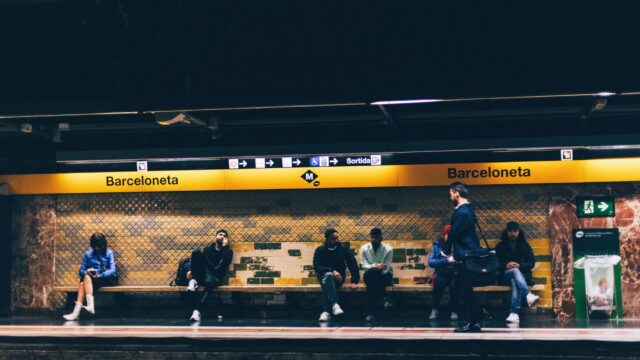
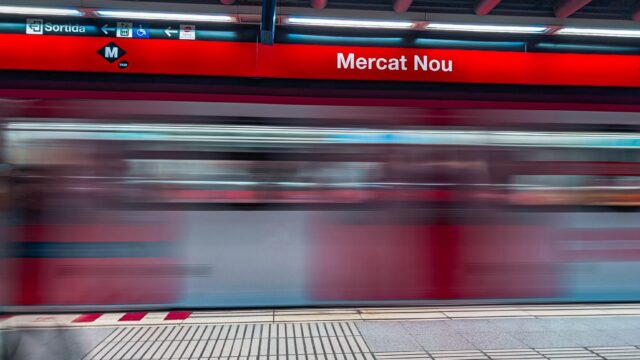
Catalonia had almost no public transport for seven hours on Wednesday, Nov. 11, as Spain’s general strike took hold, The Local Spain reported, citing Catalan media. From 9.30 a.m. to 4.30 p.m. the Rodalies commuter rail network, the regional railway FGC (Ferrocarrils de la Generalitat de Catalunya), the Barcelona metro and city and inter-city buses stopped running.
After 4.30 p.m. only reduced service resumes. During the evening peak, until 9.00 p.m., about 25 percent of the usual trains and buses will operate in Barcelona.
What is running and what is not
The Catalan government (Generalitat) fixed the minimum services for the strike. The long gap without service falls in the hours when no minimum is required by law. Rodalies and regional trains have no scheduled departures in that stretch.
TMB, which runs Barcelona’s metro and buses, said on X that its minimum services finish at 9.30 a.m. The metro pulls trains out gradually, with the last ones heading to the end of each line, and nothing runs until 4.30 p.m. City buses follow the same timetable.
Roads and arrests
Pickets and blockades also reached the roads. Ramon Lamiel, who heads the Catalan Traffic Service (SCT), said traffic entering the metropolitan ring road dropped 51 percent, which means 75,000 to 80,000 fewer cars than on the same day a year earlier. Outbound traffic was down 45 percent, around 60,000 fewer vehicles.
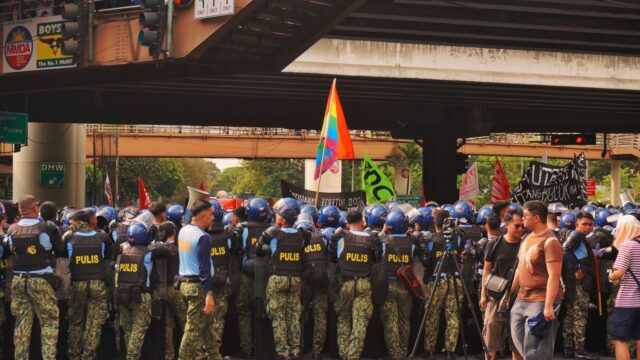
By midday police had detained at least 14 people over incidents during the early hours of the strike in La Rioja, Madrid, Alicante, Valencia, Málaga, Almería and Granada. The Basque police force, the Ertzaintza, reported another 13 arrests in towns around the Basque Country.
Why the strike was called
No general strike had been held in Spain since 2012. The unions called this one to back the housing movement, and the left-wing government supports it, The Local Spain said.
It follows a parliamentary fight over housing. Right-wing parties defeated two decrees that would have frozen evictions, banned vulture funds, extended rental contracts automatically and limited temporary and room lets. A few days later Prime Minister Pedro Sánchez announced a snap election, protesters filled streets across Spain, and the unions called the stoppage.
What this means for people in Catalonia
Commuters lost nearly all scheduled public transport on a working day for seven hours, and the evening service is a quarter of normal. Drivers met pickets and blockades, and ring road traffic ran far below last year’s level. The Generalitat, TMB and the other operators publish the minimum service details.
Source: The Local Spain