Illa Names Housing His Top Priority for the Catalan Economy
Catalan president Salvador Illa named housing his top priority at the 2026 Economists' Conference, alongside the airport, energy and simpler red tape.
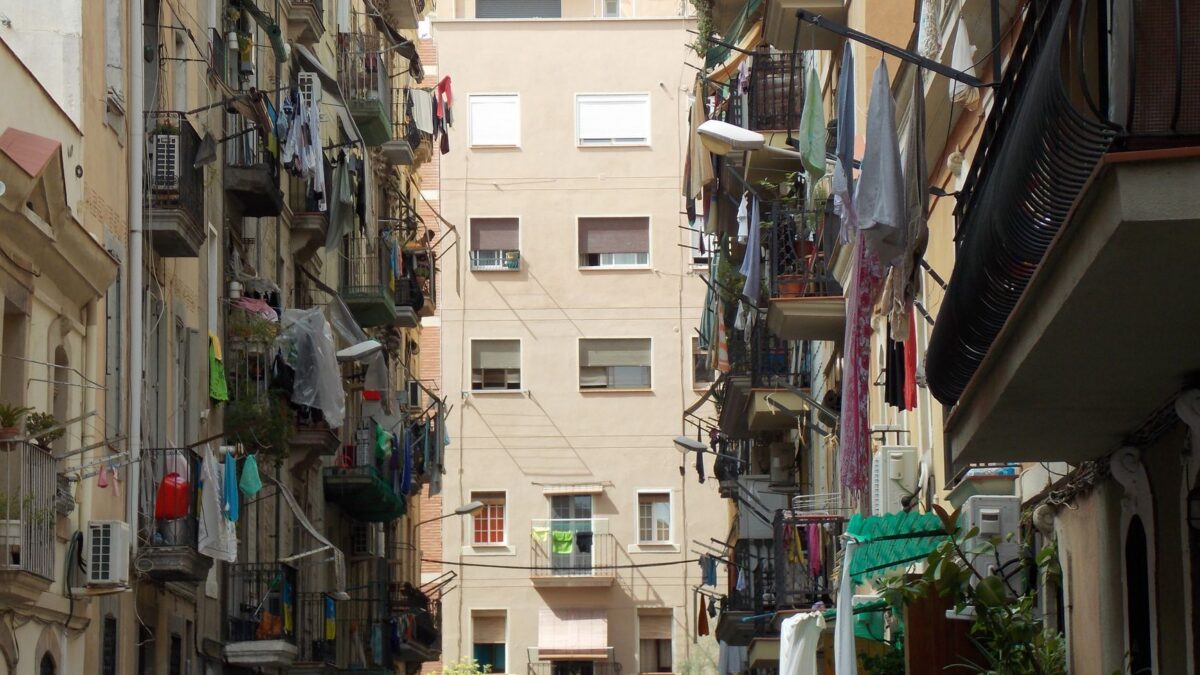
Catalan president Salvador Illa told the 2026 Economists’ Conference in Barcelona on Friday that housing is the top priority of his government. “I prefer to be wrong and correct, than to do nothing,” he said, according to Ara.
Illa framed housing as part of what he calls “shared prosperity,” and said it affects both the economy and the ability to attract and keep skilled workers. He warned that if policy does not move in that direction, people “may fall into populist and authoritarian approaches.”
A conference on the Catalan economy
Illa gave the opening speech at the conference, organised by the Col·legi d’Economistes de Catalunya (the Catalan association of economists). This year’s theme is “New global environment: the Catalan economy at stake.” The event runs all day Friday and is expected to draw about 1,200 participants, Ara reported.
Illa also said it is “key” for Catalonia to lead Spain economically so the region can carry weight and have a voice in Europe.
Airport, roads and rail on the list
Beyond housing, Illa largely agreed with the priorities set out by the dean of the economists’ association, Carles Puig de Travy, in his own opening speech. These include infrastructure, “very particularly the Barcelona airport,” Illa said, along with road and rail links. For people who live in Barcelona, that puts El Prat airport and the regional transport network near the top of the government’s economic plans.
Illa’s list of “levers” for the economy also covered energy, with more capacity to generate renewable power, plus training talent and simplifying administrative procedures. “I am not in favor of deregulation, but I am in favor of simplification,” he said.
A bill on public-sector management
On simplification, Illa pointed to a bill that would create a category of professional executives in the public sector. The Generalitat (Catalan government) presents it as one of the pillars of its plan to reform and modernise the administration.
More than 200 economic and social organisations in the FERA forum back the bill. According to Ara, the forum does not agree with 100% of the text, but it wants the Parlament (Catalan parliament) to at least let it go through the legislative process so partial amendments can be added.
What it means for residents
Housing costs are a daily concern for renters and newcomers in Barcelona, and the president’s speech confirms it remains the government’s first issue. He gave no new measures, figures or dates at the conference, so the speech sets out priorities rather than rules that change anything for tenants right away.
For anyone following how the Generalitat runs its offices and services, the public-sector executives bill is the item to watch, since its fate now depends on whether it goes ahead in parliament.
Calls for scale and accountability
Later in the morning, Catalan economy minister Alícia Romero spoke with Puig de Travy on stage. She defended dual vocational training, which combines classroom study with work in a company, and encouraged firms to grow in size to raise productivity. She also backed working with the private sector, saying the OECD estimates this can save up to 5% of the cost of investments.
Puig de Travy said Catalan companies need to gain scale and become more productive, and that this must be balanced with housing, transport, energy and water. He asked for clear responsibility for projects and an account of what has been carried out and what is still pending, with investments ranked by priority. He added that Catalonia’s challenges should not be subject to any political calendar or held back by controversy.
Source: Ara