Mossos Search 29 Scrapyards in Catalonia in Hunt for Stolen Copper
Mossos d'Esquadra checked 29 scrapyards across Catalonia with 200 officers and found three without permits. Stolen rail copper turned up in three places.
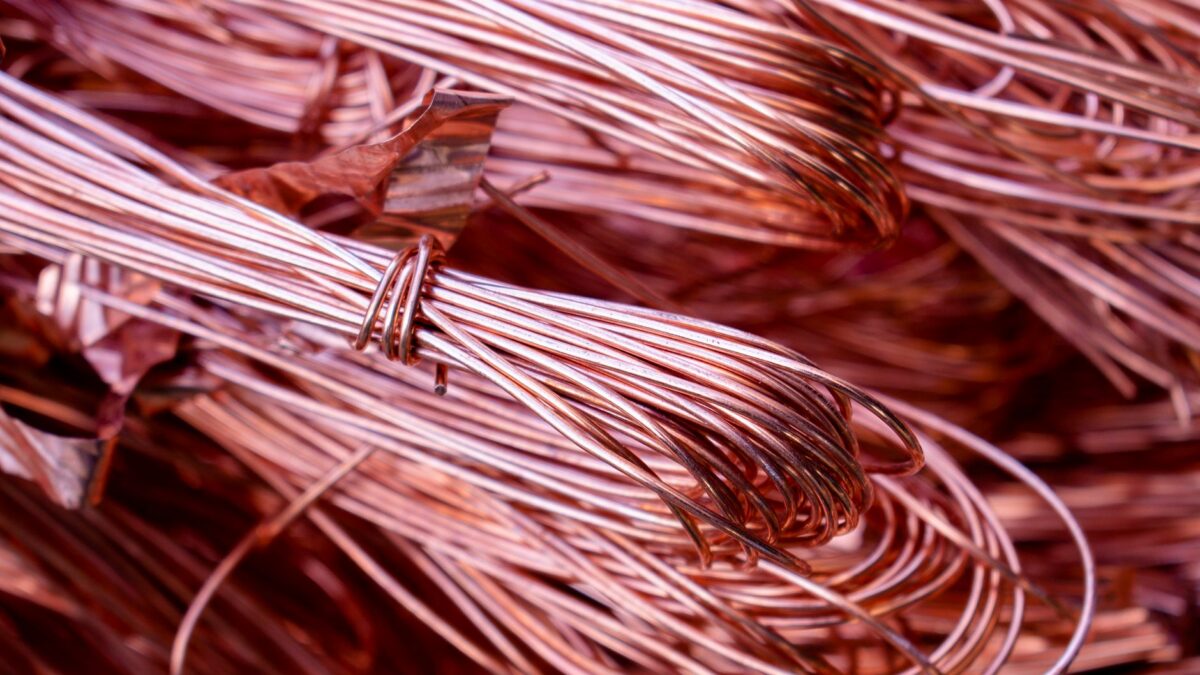
The Mossos d’Esquadra (Catalonia’s police) searched 29 scrapyards and waste collection centers across Catalonia on Thursday, Ara reported. It was the first operation of its kind to cover the whole region, and it targeted stolen copper, a metal that thieves increasingly take from railway lines.
Police deployed 200 officers. Three of the 29 sites turned out to be operating illegally, without the permits or the paperwork needed to manage waste.
What police found
At a scrapyard in Figueres, officers found 160 kilograms of copper that came from train catenary wiring (the overhead cables that power trains). In Barcelona, they found 4.5 kilograms that most likely belonged to Adif, the Spanish railway infrastructure manager. In Lleida, they found up to two kilometers of cable that had also been stolen from Adif.
Adif technicians took part so they could tell whether the copper was theirs. Labor Inspection workers joined as well, along with several Mossos units and the Barcelona Urban Guard. The Labor Inspection side issued six infractions, including one for a person working without a contract and one for poor waste management. The operation also produced 16 reports for omitting mandatory communications and missing data, plus 15 environmental infractions.
Why it matters for rail users
Copper theft on railway lines and facilities disrupts the trains that many people depend on. According to Ara, Adif is recording record numbers of robberies this year. Copper is an easy metal to sell, and its price, set in London, has been rising for some time, though it has started to fall in recent days.
The Mossos activated the Pla Via in July. The plan aims to catch thieves and also to cut the chain that lets them profit, since they usually sell stolen material to scrapyards or other waste points. Under the plan, the Mossos have arrested 45 people in three months, double the figure for the same period a year earlier. Two of those arrested are in provisional prison. Several restraining orders from the railway network have also been issued to prevent repeat offenses.
How scrapyards fit in
Finding stolen copper at a scrapyard does not by itself make the operator an accomplice. Scrapyards must ask sellers for details such as an identity document or a vehicle license plate. Ara notes that in clear cases, where the copper has not been stripped and still looks like railway cable, the operator is expected to refuse the sale. The records the yards keep also give the Mossos names and vehicles to cross-check against suspicious sales.
Sub-inspector Eugeni Tarjuelo, spokesperson for the Pla Via, said the aim is not to criminalize the sector but to send a message of “zero tolerance” on stolen copper. In a statement, the Mossos said the “vast majority” of scrapyards are legal and cooperate with police. The yards were chosen after a risk analysis, though officers also visited businesses with no previous record as a precaution.
Lone thieves in the city, groups elsewhere
Two of the searches took place in Barcelona city. There, the thefts are usually committed by solitary, opportunistic thieves who enter a train or metro tunnel, take whatever cable fits in a backpack and go to the nearest buyer. Elsewhere in Catalonia, police see more organized groups that travel in vans and carry off much more metal.
Ara describes a pattern similar to multiple recidivism: thieves are arrested, but because the offense is treated as theft and penalties are low, they soon return to it.
Source: Ara