PP and Aliança Catalana Accuse Mossos of Standing Down in Strike
The PP and Aliança Catalana say Catalonia's police were told not to act during the Nov. 11 general strike, citing incidents in Barcelona and Ripoll.
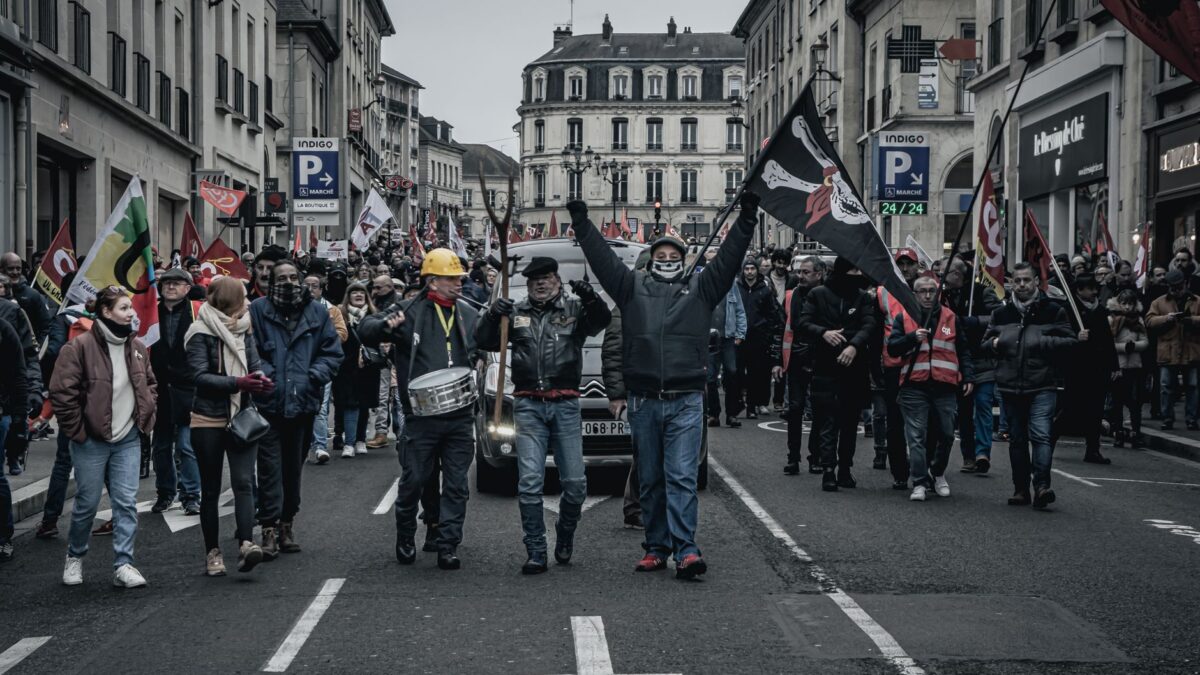
The Partido Popular (PP) and Aliança Catalana accused the Mossos d’Esquadra (Catalonia’s police) on Nov. 11 of failing to act during the general strike in Catalonia, ABC reported. Both parties point at Interior Councillor Núria Parlon, and one of them says officers were told not to intervene.
The claims are political accusations made on the social network X. They concern blockades and street incidents that the two parties say the police should have stopped.
How the strike is playing out in Catalonia
According to ABC, the unions UGT and CCOO called the Nov. 11 general strike, and it has the backing of the Spanish government and the Generalitat (the Catalan government). Turnout in Catalonia has been uneven, and employers’ associations describe it as a minority. ABC says the effect on mobility has been significant, with roads cut and public transport closed.
The complaints from the PP and Aliança Catalana center on what they call the passivity of the Mossos.
Sirera: officers told him they have orders not to act
Daniel Sirera, the PP leader on Barcelona’s city council, wrote on X that he had seen images of violence on the Rondas (the city’s ring roads), incidents at plaça Catalunya and what he called radical acts. One example was a garbage container thrown at the access door of the Horta metro stop on line 5, an image he attached to his post.
Sirera wrote that he asked several Mossos he knows why they were not intervening. He quoted their reply as «Tenemos órdenes de no actuar» (We have orders not to act). The account comes from Sirera’s own conversations, and he did not name any officer. ABC says he reads it as a political order meant to let people who do not join the strike reach work and to stop violence.
Sirera directs the criticism at the Interior Department led by Parlon and, ultimately, at Generalitat president Salvador Illa.
Orriols: a blockade in Ripoll
Sílvia Orriols, who leads Aliança Catalana, sits in the Parlament (Catalonia’s parliament) and is the mayor of Ripoll, in Girona province, also posted about the strike. Her video shows several people stopping regular traffic in the town.
Orriols said the blockade was possible because Mossos chiefs were not ordering the people to be cleared. She said citizens’ rights were being violated, including those of people going to visit parents in hospital, to study or to work. She added that the people involved will be sanctioned by the Ripoll town council.
In a separate post in Catalan, Orriols said political orders that Mossos commanders received to boost the strike violate citizens’ fundamental rights. She said she had to call a regional chief intendent of the Mossos 5 times and notified the interior councillor that she would take them to court.
What this means on a strike day
The dispute puts responsibility for public order on a strike day inside Catalan politics. Under the accusations, the question of who tells the Mossos how to handle pickets and road blockades falls on Parlon’s department and the Generalitat’s leadership.
The incidents named so far are spread across the Rondas and plaça Catalunya in Barcelona, the Horta metro stop on line 5, and the blockade in Ripoll. The claim that officers have orders not to intervene rests on Sirera’s account of conversations with unnamed Mossos, and the PP and Aliança Catalana are the ones making it.
Source: ABC