Rail Unions Strike Across Spain on Tuesday Over Train Safety Rules
Renfe and Adif staff strike on Tuesday over rail safety after the Urda and Gelida accidents. What the unions want, what is agreed and the Nov. 23 date.
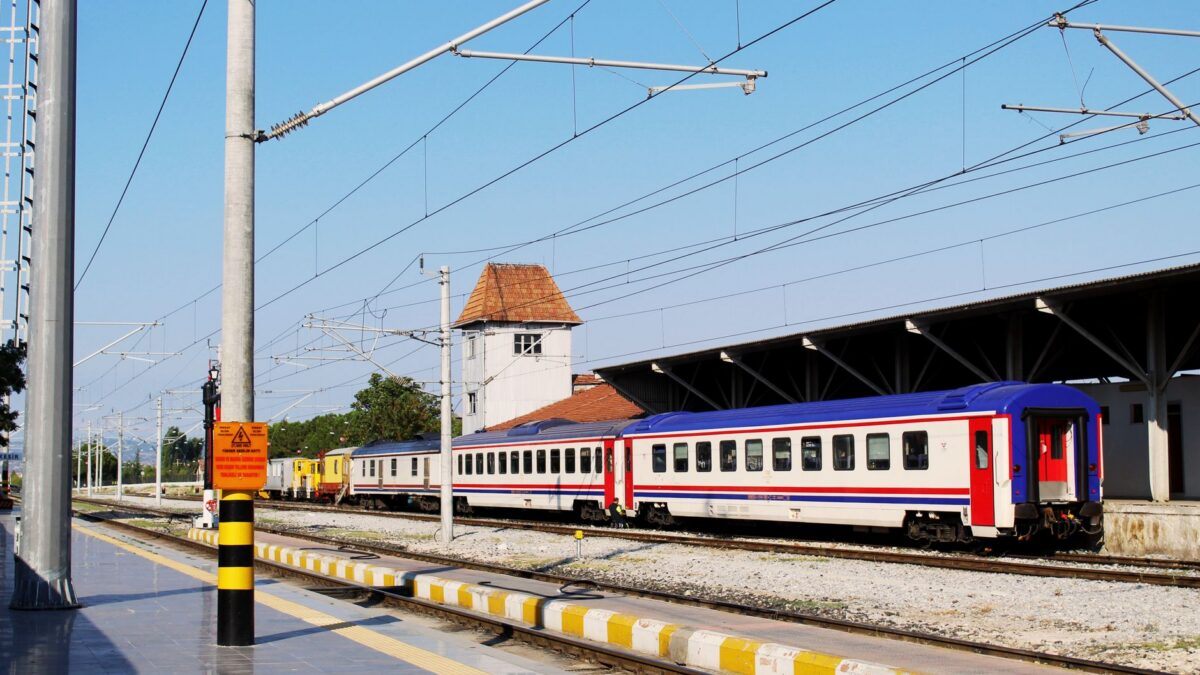
Rail workers across Spain are called to strike on Tuesday. The works committees of Renfe (Spain’s state train operator) and Adif (the state company that manages tracks and stations) called the stoppage, and it has been extended to the other passenger and freight operators, Catalan public broadcaster 3Cat reports.
The unions want safety measures approved and published after the accident at Urda (Toledo) at the end of October and the ones in January at Adamuz (Córdoba) and at Gelida, in Catalonia’s Alt Penedès county. Several unions are holding a rally in Madrid on Monday ahead of the strike.
Why the strike is still on after Friday’s talks
Unions met the Ministerio de Transportes (Spain’s transport ministry) last Friday. Semaf, the train drivers’ union, said the meeting brought some technical progress on their demands, according to 3Cat. The unions say they will not call off any stoppage until the measures have been approved and published.
Part of what is being negotiated dates from a deal the unions and the ministry reached in February, after the Adamuz and Gelida accidents. That deal led the unions to cancel strikes at the time. According to 3Cat, the measures were only unblocked after the Urda accident.
Over the weekend, a rockfall in Madrid derailed the locomotive of a freight train and left the driver with minor injuries.
What the unions are asking for
- A protocol for severe weather, with clear criteria on what happens to train traffic when an ES-Alert (the emergency message sent to mobile phones) asks people to limit travel.
- Rail-specific warnings from the Agencia Estatal de Meteorología (Spain’s state weather agency) and the same criteria for every company in the sector.
- A change to the royal decree on rail safety that sets how long rail traffic controllers can work without a break. The proposal on the table is a maximum of two hours of continuous work followed by a 30-minute pause.
- Effective tracking of temporary speed limits, so that repair works can be planned.
- A single register for reporting infrastructure risks, supervised by the Agencia Estatal de Seguridad Ferroviaria, or AESF (Spain’s rail safety agency).
Some unions say the ministry intends to take the change on controllers’ working time to the Consejo de Ministros (Spain’s cabinet) this Tuesday. Workers’ representatives warn that guaranteeing those rest periods will require more staff.
What has already been agreed
On Friday the AESF published a recommendation on minimum train crews, a demand shared by several unions. Operators are asked to decide staffing according to the number of passengers, the make-up of the train, the distance between stations and features of the route such as bridges and tunnels. The agency also asks for specific training for crews, and gives operators four months to report how they have applied the recommendation. Unions read the text as a guarantee that companies will not cut staff and leave the driver alone when something goes wrong.
The agency published two more documents. One is a guide on what to do when the LZB safety system fails, which favors resuming traffic with trains running on sight. Several unions had asked for this after the Urda accident. The other is a technical recommendation that at least two people supervise and validate decisions in rail traffic control centers when automatic systems are not assisting.
The cabinet also approved a package of rail safety measures last Tuesday. That led Semaf to move the strike it had planned for Nov. 12.
What it means for train passengers in Catalonia
Tuesday’s strike covers Renfe, Adif and the other passenger and freight operators, so it reaches rail services in Catalonia as well as the rest of Spain. One of the accidents behind the dispute happened at Gelida, in the Alt Penedès.
The unions also say the tone has changed under Carlos Cuerpo, the minister who took over the transport ministry’s functions after Óscar Puente resigned.
Another strike date: Nov. 23
Semaf’s postponed strike remains on the calendar for Nov. 23. The union said it moved the date to make negotiation easier while keeping up the pressure. Whether Tuesday’s cabinet meeting approves the rule on controllers’ working time is the next step the unions are waiting for.
Source: 3Cat 324