Spain’s First General Strike Since 2012 Splits Sánchez and PP
Spain's first general strike since 2012 ended in Barcelona clashes. Sánchez backed it while the PP and employers attacked it before the Nov. 29 vote.
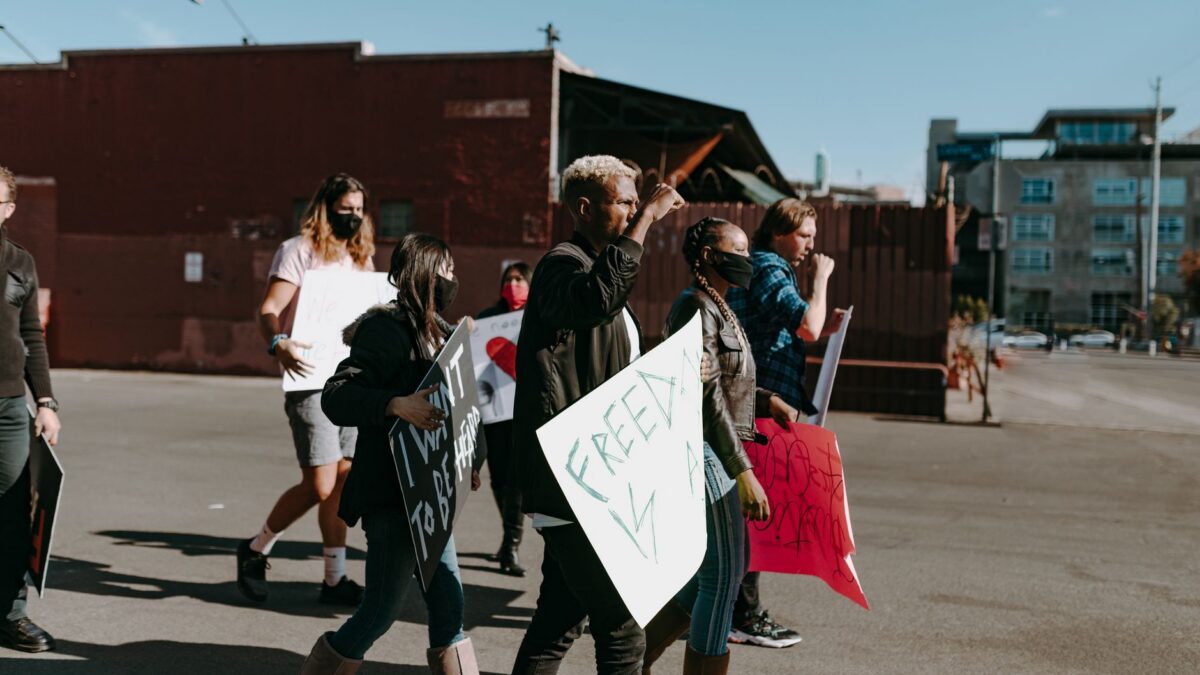
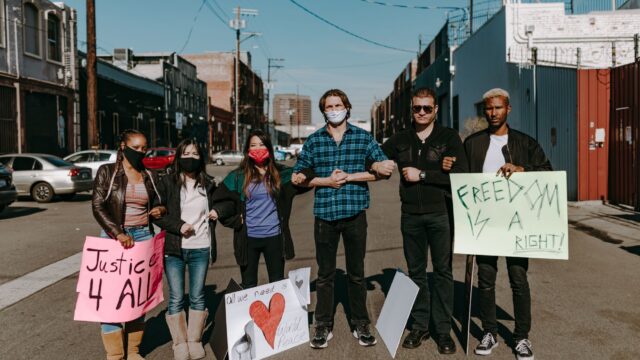
Clashes broke out in central Barcelona on Wednesday, Nov. 11, after a march during Spain’s first 24-hour general strike since 2012, according to Euronews. Unions called the strike over housing and the cost of living, and it has turned into a political fight less than three weeks before the Nov. 29 election.
The Socialist government supported the stoppage. The conservative People’s Party (PP) and Spain’s main business association attacked it.
What happened in Barcelona
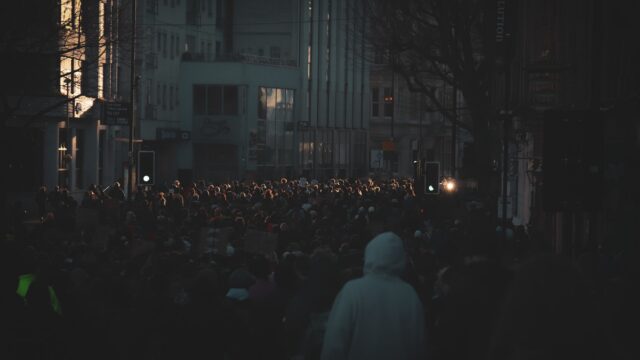
Euronews reported that shortly after 7:30 p.m., masked groups threw stones, bottles and fireworks at police near Passeig de Gràcia and Plaça de Catalunya. Bins were set on fire, shop windows were smashed, and some stores were reportedly looted. The Mossos d’Esquadra (Catalonia’s police) moved in to disperse the groups as the trouble spread toward La Rambla.
The violence followed a march that municipal police said drew more than 55,000 people. Organizers put the figure at 400,000. Euronews said eighteen people were arrested in the unrest, bringing the day’s total to 20. The interior ministry said dozens were arrested for a range of incidents, according to Yahoo, so the counts differ. Catalan president Salvador Illa condemned the violence and said it did not reflect the peaceful protest.
Elsewhere, about 120,000 people joined a demonstration in Madrid, per the same reporting. Unions claim around four million workers took part nationwide. Power demand fell 7.5% in the early hours of Wednesday, according to grid operator Red Eléctrica. In the last general strike, equivalent consumption fell by more than 15%.
The case from the unions and the government
Pepe Álvarez of the UGT union called participation massive. Unai Sordo of the CC OO union described turnout as very significant. The strike followed the eviction of 87-year-old Maricarmen Abascal from a Madrid flat where she had lived for seven decades. She died in hospital weeks later.
Prime Minister Pedro Sánchez called the early election last month after parliament failed to approve his housing reform plan. He and his ministers encouraged workers to join the strike. Sánchez told Spanish television that “what is nonsense is to question the rights of workers to strike.”
The case from the PP and employers
PP leader Alberto Núñez Feijóo called the strike nonsense and used insulting terms for the unions. PP spokesman Miguel Tellado accused the government of using the strike for electoral gain, as a way to warn voters against a right-wing government. The party leads the polls.
Miguel Garrido, vice president of the CEOE business association, said businesses have little to do with the price of housing. He called the strike political, not labor-related, and linked it to the early election.
What’s at stake in the housing numbers
Rents are the issue behind the protest. Property portal Idealista put the average monthly cost of a 50 sq m apartment in Madrid at €1,170 in October. Spain’s average gross monthly salary is about €2,460, according to the reporting. That puts rent well above the 30% of income that housing experts and public institutions often recommend.
What to watch next
Voters go to the polls on Nov. 29. The turnout at the marches is being read as a gauge of public discontent before that vote. Residents who want to understand how strikes affect services can read about notice rules and minimum services during strikes in Spain.