Spain’s Ministers Clear Agendas as General Strike Begins
Spain's general strike over housing costs starts Wednesday, and Sánchez and ministers will hold no agenda. The government plans more cabinet meetings.
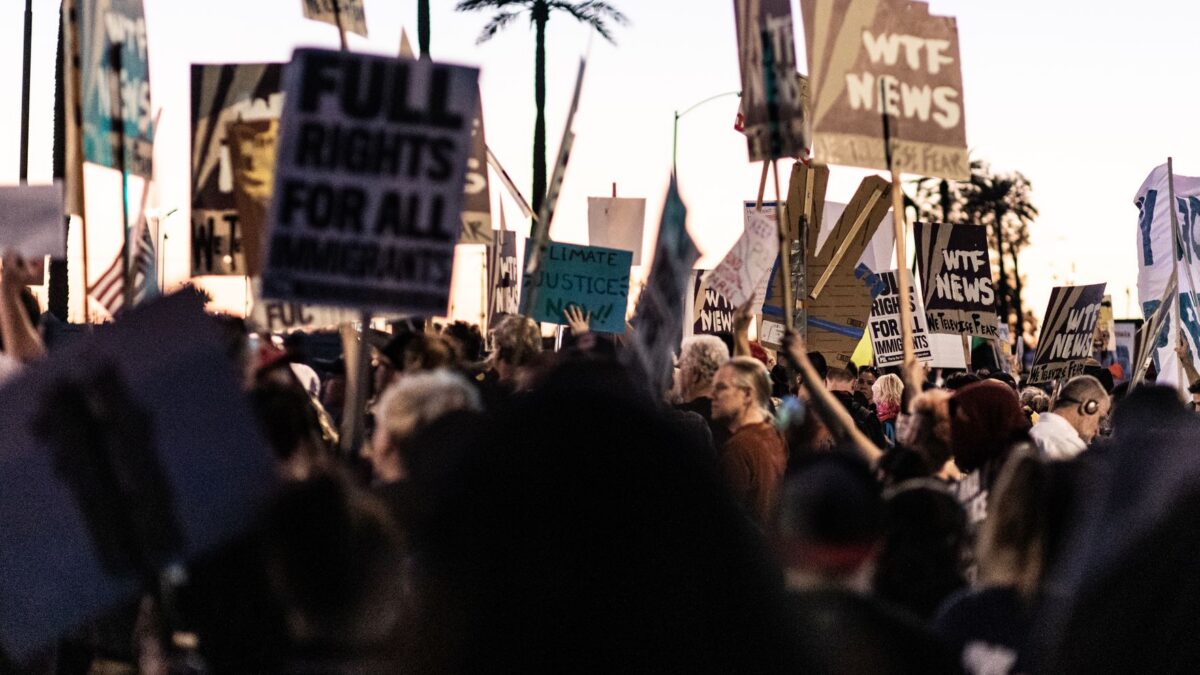
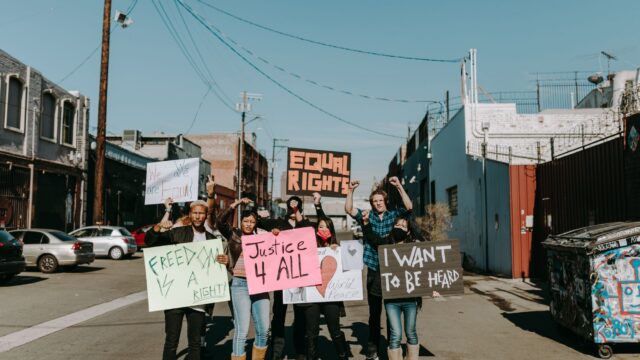
A general strike over the rising cost of living and, above all, housing prices begins in Spain from Tuesday evening, according to the Catalan newspaper Ara. Prime Minister Pedro Sánchez and his ministers will have no public agenda on Wednesday, though government sources said this does not mean they are joining the strike. They will be in their offices.
The stoppage was called by the Tenants’ Union (Sindicat de Llogaters) together with the two largest unions, UGT and Comisiones Obreras. It is the first general strike since 2012, when the PP held an absolute majority.
A strike with an awkward target
The timing is controversial. The strike comes after eight years of Sánchez’s government and just before elections that could shift majorities toward the PP and Vox. Ara asks whether the action is aimed at the government or whether the executive is using it to rally left-wing voters before the vote.
The organizers do not all send the same message. According to Ara, UGT and Comisiones Obreras direct their demands mainly at employers’ associations rather than at the government. The Tenants’ Union also criticizes the housing policies of recent years, which it considers insufficient. In its view the protest is against all administrations.
Two lines inside the cabinet
Government spokesperson Elma Saiz faced questions on the strike after Tuesday’s Council of Ministers (the weekly cabinet meeting) at Moncloa, the prime minister’s seat. She asked for respect for workers who want to use their right to strike and for the unions, which the right has attacked in recent days.
Pablo Bustinduy, the Sumar minister for Social Rights, went further. “I will do everything possible to contribute to the strike being a success,” he said. He spoke at the same press conference where he announced new aid for single-parent families.
The opposition responds
PP and Vox say UGT and Comisiones Obreras act as the armed wing of the government. Isabel Díaz Ayuso, president of the Community of Madrid, said so on Tuesday. In an interview on Antena 3 she described a “kidnapping” of citizens on the roads and urged supporters to “sweep away the union trash” before Nov. 29. She also said many union members dislike what their leaders are doing.
Elías Bendodo, the PP’s secretary for autonomous and local policy, called it a strike “against the opposition”, which he said had no precedent in Spanish democracy. He predicted it would fail.
What it means for the election campaign
The general election is set for Nov. 29, and the campaign starts at dawn on Thursday, a day after the strike. Ara reports that the government does not plan to stay idle in the meantime. Up to four more Council of Ministers meetings are expected before the vote: two extraordinary sessions on the next two Fridays and two ordinary ones on the next two Tuesdays. The aim is to approve social measures.
Moncloa sources separate this from the campaign and say the government is still governing despite the election call. Ara describes the plan as a way to show the left’s electoral program through decree-laws (government decrees with immediate legal force). Tuesday’s examples were stronger social protection for single-parent families and shorter deadlines to obtain dependency status, the official recognition used to access care support.
PSOE and Sumar argue that these measures are at risk if the PP and Vox take power.
What’s at stake for residents
For people living in Spain, the strike is the first of its kind in several years and is centered on housing costs. Whether it disrupts services on Wednesday was not detailed in Ara’s report. The unions’ target and the government’s stance are both still disputed, and the campaign that opens on Thursday will be shaped by the strike’s outcome and by the cabinet’s social decrees.
Source: Ara