TMB Bus Workers Sign Contract With 36-Hour Week and 218 New Hires
TMB and the unions signed the 2026-2029 bus workers' contract: a 36-hour week, 10 more rest days, 218 hires and a 2% raise. What changes and what is pending.
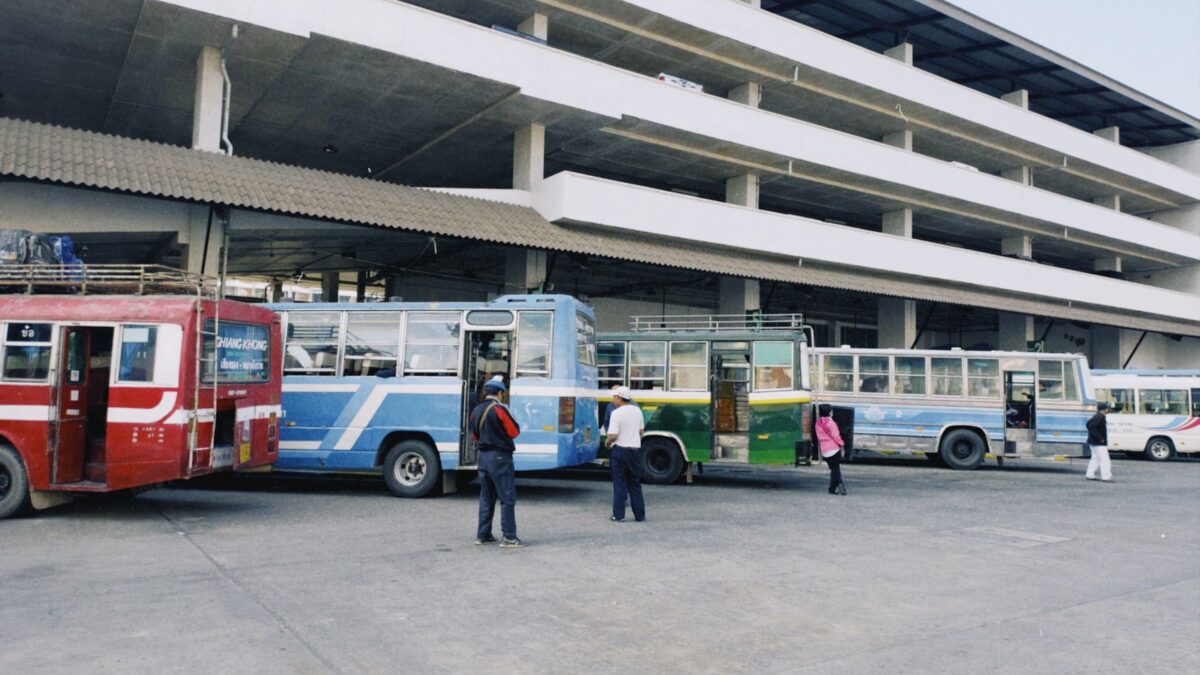
TMB (Transports Metropolitans de Barcelona, the city’s bus and metro operator) and the unions have signed the new collective agreement for bus staff covering 2026-2029, betevé reported, citing the Catalan news agency ACN. Workers backed the deal on Monday with 52,62% of the vote in a ballot organized by the unions CCOO, CGT, UGT, SIT and ACTUB.
The signing closes a year of talks that included two strike days in October. The main change is a working week of about 36 hours, with roughly 10 extra days off per year.
Shorter hours and more days off
The two sides reached a preliminary deal on Oct. 14. Union sources quoted by betevé said that text came close to the minimum they had asked for, and the staff vote has now confirmed it. Under the agreement, the 2027 working year is set at 214 days of actual work. TMB sources said many of the new rest days can be taken at weekends, which the unions had demanded.
Some unions wanted a 35-hour week of actual work, and the contract stops short of that. TMB management said it is “optimistic” it can reach 35 hours before the agreement ends, provided one of two conditions is met: absenteeism, now around 19%, falls by three points, or organizational and productivity changes free up enough time to cut hours.
218 hires and fewer temporary posts
The contract makes it easier for temporary staff to move into permanent jobs. TMB will hire 218 people, 166 of them drivers, and many posts that have been temporary until now will be regularized through 2029.
A new pool of 40 hours of paid leave covers several family situations. These include accompanying relatives who are receiving cancer treatment and taking children under 14 to specialist medical appointments.
Pay depends on Madrid’s budget
Raises over the life of the contract will follow the legal ceilings for public-sector pay. For now a 2% increase is agreed for next year. A further 4% rise, agreed between Spain’s coalition government and the unions, is on hold until the national budget (presupuestos generales del Estado) is approved. The night-shift bonus is guaranteed to rise to 200 euros gross a month.
Management said it only agreed to benefits that could pay for themselves. Two of the measures it named are cutting the hours buses run empty on the way back to depots and running fewer shuttle buses at off-peak times.
What it means for bus users and staff
For passengers, the signed contract ends the dispute that led to the two walkouts in October. Management thanked the unions for acting responsibly and maturely at a time it described as one of high conflict, and said it had tried throughout to keep the service running and to reach a deal backed by every union.
All the unions supported the final text, as they did the Oct. 14 preliminary deal, though the CGT has a different view of the rest days. The union said the reduction in working days only brings TMB in line with labor law after two final court rulings. According to the CGT, the company was not respecting two days off per week, or three in 15 days, or the rule that professional drivers cannot work more than six days in a row. The CGT said most bus operators break that last rule.
The CGT said the next task is to make sure the deal is honored and to seek recognition of the harm done in the years when, it says, TMB operated outside labor law. It also said that weekend rest days will improve workers’ quality of life.
Union elections come next
The agreement was signed shortly before union elections in TMB’s bus division.
Source: betevé