US Air Traffic Failure Cancels Two United Flights at Barcelona-El Prat
A US air traffic control failure halted departures for over four hours, and two United flights to and from Chicago were cancelled at Barcelona-El Prat.
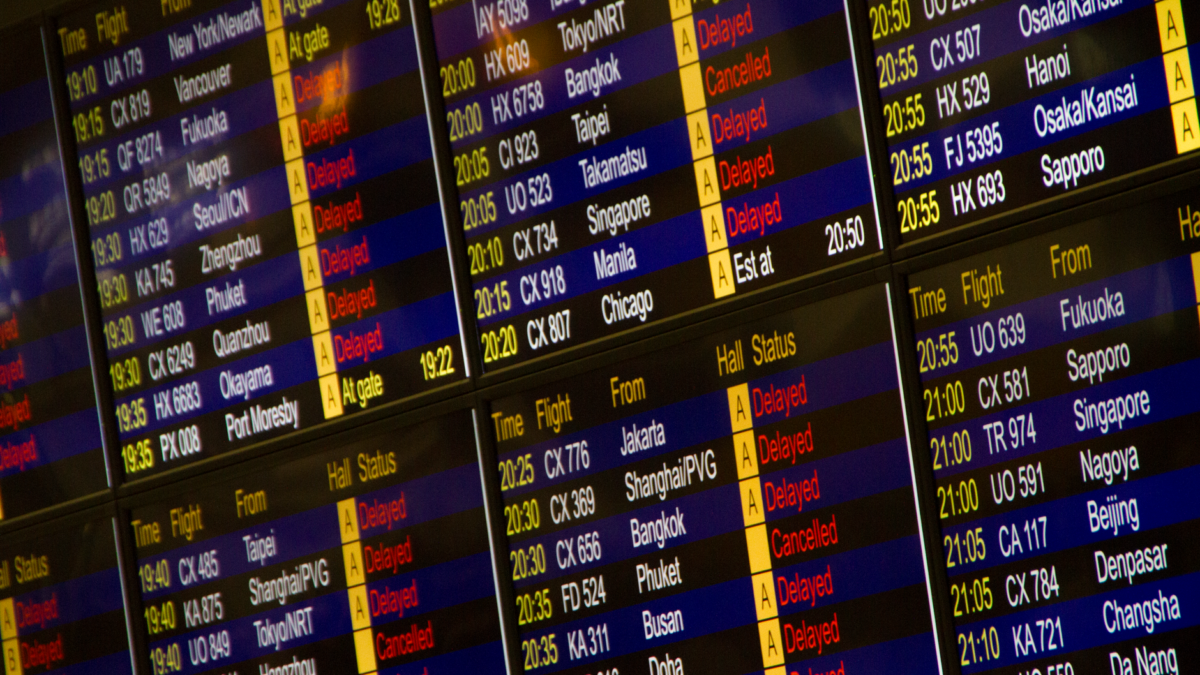
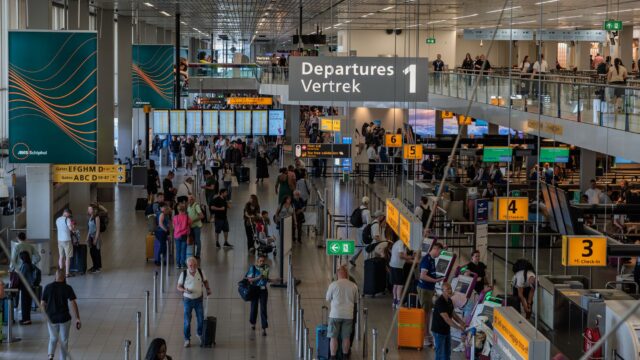
A breakdown in air traffic control communications in the United States on Friday forced the Federal Aviation Administration (FAA, the US aviation regulator) to stop all takeoffs across the country for more than four hours. The knock-on effects reached Spain on Saturday: Aena (the company that runs Spanish airports) confirmed four cancelled flights, two of them at Barcelona-El Prat.
In Barcelona, United Airlines dropped a flight from Chicago that was due to land at 12.15 and the return service to Chicago, according to El Nacional. In Madrid, an Iberia arrival from Chicago and a Delta departure to Atlanta were cancelled at Madrid-Barajas.
How the US grounding unfolded
Several US control centers began seeing unstable radar data and gaps in communication with aircraft on Friday afternoon, East Coast time. The FAA ordered a nationwide halt to departures as a safety measure. US Transportation Secretary Sean Duffy said communications never went down completely, but controllers could no longer rely on them.
Thousands of planes were in the air when the problems started, and all of them landed safely. Airspace reopened in the evening once technicians had checked that the systems were stable.
The disruption piled up quickly. FlightAware figures released on Friday night counted several thousand cancellations and well over ten thousand delays on flights connected to the United States, totals that may also include problems unrelated to the outage. By Saturday morning the same tracker had logged thousands more cancellations.
What US officials say caused the failure
Washington’s main explanation is an aging technology network that became overloaded. Duffy said switches and routers in the analog telecommunications systems were flooded with data and began sending inconsistent information.
Officials in the same administration have given different accounts of what caused that overload. Homeland Security Secretary Markwayne Mullin suggested that new equipment and upgrades may have pushed the old systems past their capacity. Duffy maintains that the upgraded devices kept working normally.
Questions have also been raised about SMART, an air traffic management tool that uses artificial intelligence. The FAA announced on Nov. 10 that it would roll the tool out to all 22 of the country’s control centers. Duffy rejected any connection, saying SMART runs separately from the equipment that failed.
There is no sign of a cyberattack so far. Mullin said investigators have found no evidence of a deliberate intrusion, although checks are still under way. Microsoft has also said the incident had nothing to do with the outage of its own services on Thursday.
What it means for travelers flying between Barcelona and the US
Reopening the airspace does not put schedules back in order straight away. Airlines have to move aircraft back into position, reorganize crews and rebook affected services, which El Nacional reports can take days. So far Aena has reported only the two United cancellations in Barcelona, and the US disruption continues through the weekend.
Duffy said he expects the system to be running normally before the Thanksgiving holiday travel period, but he admitted that new incidents cannot be ruled out.
A rare nationwide stop
This was only the third time since the start of the century that the United States has halted all takeoffs nationwide. The first came after the Sept. 11, 2001 attacks, and the second followed a computer failure in January 2023.
Source: go.eln.cat