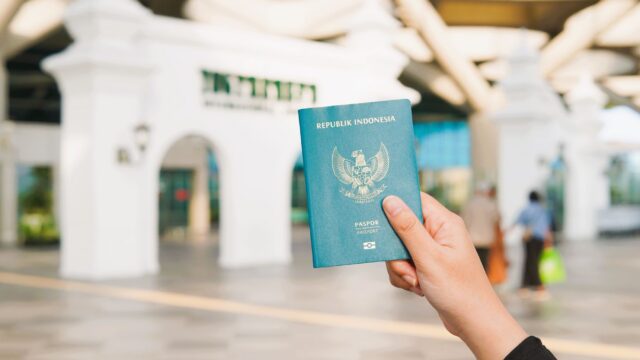
EES and ETIAS in Spain: Fingerprints and the 90/180 Rule
The EES records fingerprints and a face image at Spain's external border since April 10, 2026. ETIAS is still to come. Steps, the 90/180 rule and who needs what.
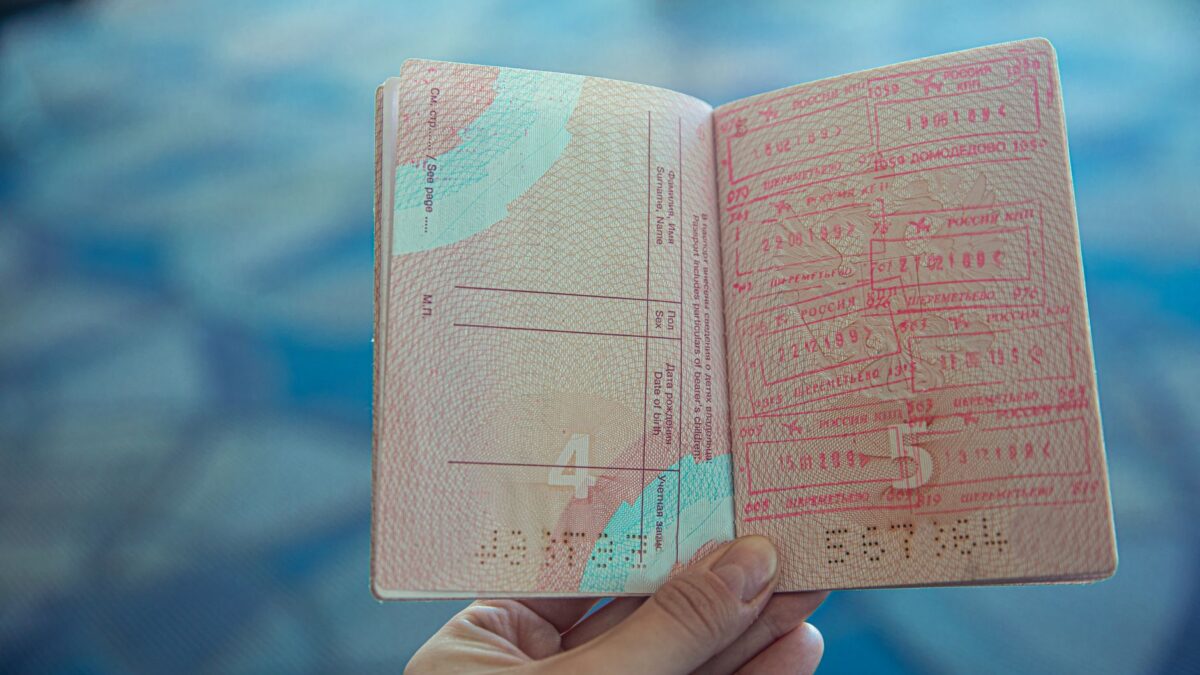
The Entry/Exit System (EES) is the European Union’s automated border register for non-EU visitors on short stays. Since April 10, 2026 it is fully operational in all Schengen countries that use it, Spain included. It replaces passport stamps, and at the external border it records your passport details, a facial image and fingerprints. ETIAS, the separate online travel authorisation for visa-free nationals, has not started yet.
The rules below apply to people who are not EU nationals and who come to Barcelona or elsewhere in Spain for a short stay. Residents holding a Spanish residence card are in a different situation and should check their own paperwork, for example in our guide to UK citizens’ residency and border rules in Spain.
What is the EES and who has to use it?
The EES is an IT system run by eu-LISA, the EU agency for large-scale information systems, and it applies to every non-EU national crossing the external border of the 29 European countries that use it for a short stay. According to the European Commission’s Entry-Exit System page, it stores the traveller’s name, travel document data, biometric data and the date and place of each entry and exit. It also records refusals of entry.
A short stay means up to 90 days within any 180-day period. That window is the familiar 90/180 rule, and the EES is the tool that now counts it automatically instead of a border officer reading stamps.
What happens at the border?
You do not apply for anything in advance. At the external border, officers record the following:
- your passport details
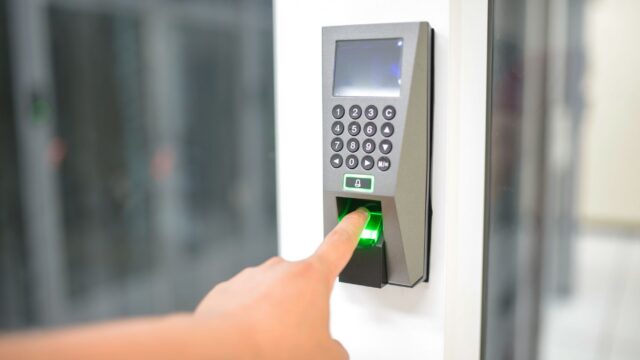
- your facial image and fingerprints
- the date and place of your entry, and later of your exit
The Commission also says travellers can pre-register their data within 72 hours before entering a European country through the “Travel to Europe” mobile app, which can speed up the border check. Which countries accept the app is listed on the official Travel to Europe website, so check it for Spain before you rely on it.
How does the system count the 90/180-day rule?
Each entry and exit is logged, so the system can see how many days you have used in the past 180 days and flag anyone who has stayed past the authorised period. The Commission describes this as automatic detection of overstayers. In practice, travellers who move between Spain, Portugal, France or Italy are counted across the whole Schengen area, not country by country.
If you plan a long trip or several trips in a year, count your days yourself before you book. A stay that looks short in one country can still use up the allowance once earlier visits are added.
What is ETIAS and when does it start?
ETIAS is the European Travel Information and Authorisation System. It is an online travel authorisation for visa-free nationals, such as US citizens, who travel to the Schengen area and Cyprus, a total of 30 European countries. The Commission’s page on the differences between the EES and ETIAS says ETIAS is scheduled to start in the last quarter of 2026 and that the exact date will be announced later. Our article on ETIAS for Barcelona visitors follows the start date, the cost and the rules for cruise passengers.
Once ETIAS is live, the process is short:
- Open the official ETIAS website or mobile application.
- Fill in the digital form with personal details, passport information and travel data.
- Pay the one-time application fee.
Most applications are approved within minutes, according to the Commission. The authorisation is linked to your passport, so nothing needs printing, and it is valid for 3 years or until the passport expires, whichever comes first. Approval is required before boarding, so apply well in advance. The Commission warns about fraudulent third-party sites that charge extra fees or misuse personal data, which is why it points travellers to the official website and app only.
Do I need both the EES and ETIAS?
It depends on your nationality. Everyone who is not an EU national and arrives for a short stay is registered in the EES. ETIAS only applies to nationals who can enter without a visa. A US citizen will need both: ETIAS authorisation before travel once it starts, then EES registration at the border. A citizen of India travelling for a short stay needs a visa instead, so no ETIAS, but is still registered in the EES on arrival, as the Commission’s own example shows.
Airlines and other carriers check whether you hold an ETIAS authorisation before departure once the system is running.
Does this affect people who live in Spain?
The EES is built for short-stay visitors. If you plan to stay and work or live in Spain, the route is a residence permit, not a repeated short stay. Options such as the non-lucrative visa or arraigo are covered in separate guides. Tax residency follows its own test, explained in the 183-day rule.
Quick answers
Will my passport still be stamped in Spain?
No. According to the European Commission, the EES replaces passport stamping as of April 10, 2026.
Do I have to apply for the EES before my trip?
No. You are registered when you reach the external border. Pre-registration through the “Travel to Europe” app is optional and speeds up the check.
Is ETIAS already required?
Not yet. It is scheduled for the last quarter of 2026 and the exact date has not been confirmed in the sources used here. Use only the official website or app when it opens.
How long is an ETIAS authorisation valid?
For 3 years or until your passport expires, whichever comes first.
Checked against official sources in November 2026. Hours, prices and rules change: confirm on the official page before you go or apply.