Spain Raises Paid Bereavement Leave From Two Days to Ten Days
Spain is raising paid leave for the death of a spouse, child or parent to ten working days. Here is who qualifies and when the rules take effect.
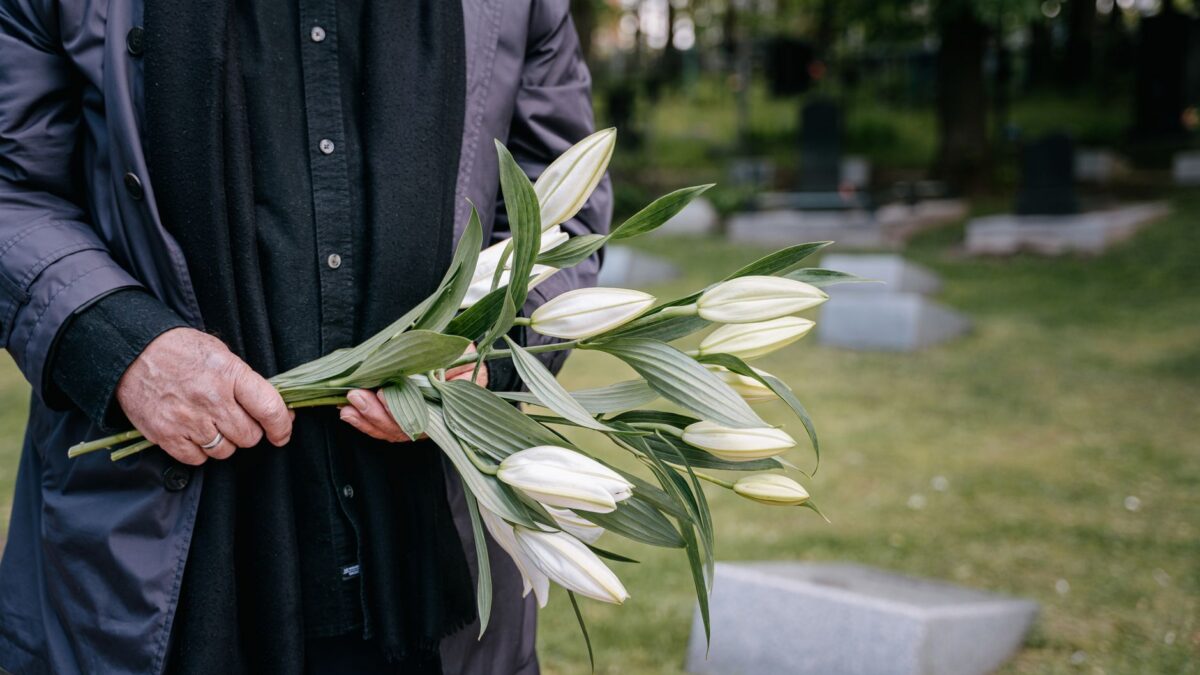
Workers in Spain who lose a spouse, child, domestic partner or a first-degree blood relative such as a parent or sibling will be entitled to ten working days of paid leave, up from two, according to The Local Spain. The leave is meant to be taken within four weeks of the death.
The rules are due to take effect the day after publication in the Boletín Oficial del Estado (BOE, the official state gazette), which The Local expected to be Thursday, Nov. 26. They then need parliamentary approval within 30 days or they lapse.
What changes for workers
For other relatives, paid leave rises from two to three working days. It is five days, up from four, when the worker has to travel to another Spanish province. The relatives covered include grandparents, grandchildren, parents-in-law, sons-in-law, daughters-in-law and siblings-in-law, among others.
In every case the time off is paid, so an employer should not reduce pay for it, the outlet reported.
Two further leaves are being created:
- A palliative care leave for people caring for a dying spouse, partner or blood relative up to the second degree. It allows working hours to be reduced or changed, and comes with benefits. Social security contributions are not reduced during this time.
- A one-day leave for the person who accompanies someone undergoing assisted dying or euthanasia.
What it means for self-employed workers
The bereavement leave is paid time off under the Workers’ Statute (Estatuto de los Trabajadores, Spain’s main employment law). The available details do not establish an equivalent Social Security-funded bereavement payment for self-employed workers.
For related rules on time off, see our guide to sick leave pay and who covers it.
Why it matters: the vote still to come
The measures apply from the day after BOE publication, but Parliament must ratify or reject them within 30 days. If they are approved, they stay in force. If not, they expire and do not become law.
Because a snap general election has been called and parliament is dissolved, the decision falls to the Standing Committee (Diputación Permanente), the body that keeps parliamentary functions running in the meantime. The government has said it will meet on Thursday, Dec. 3, four days after the election results.
The outgoing committee keeps its constitutional powers until the newly elected parliament convenes on Dec. 23, so it will be the one to vote. According to The Local, the Socialists hold more seats in the committee than in Parliament, which improves the chances of approval even if the centre-right PP wins the election.
What to watch next
Readers should watch for the BOE publication, expected Nov. 26, and the Standing Committee meeting on Dec. 3. Until that vote, the new entitlements are in force but not yet confirmed.
Source: The Local Spain