Metal Strike Blocks Tarragona Chemical Plants for 10 Days
Tarragona's chemical industry asks the Generalitat for preventive Mossos patrols after 10 days of metal-sector pickets at its plants.
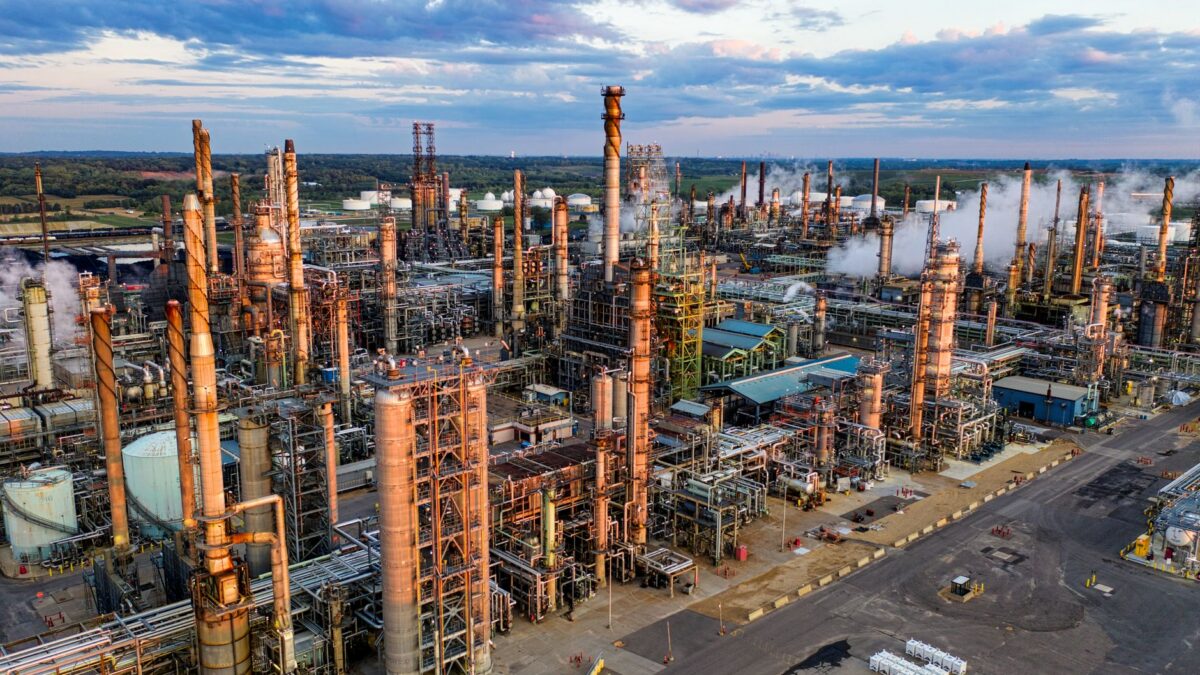
The chemical industry around Tarragona is asking the Catalan government to send police to the gates of its plants. After 10 days of strikes by metal-sector workers, pickets are delaying or stopping staff and goods from getting in and out of the two petrochemical estates, according to La Vanguardia.
On Wednesday the Asociación de Empresas Químicas de Tarragona (AEQT, the area’s chemical employers’ association) called on the Generalitat to have the Mossos d’Esquadra (Catalonia’s police) act “preventively” so access stays open.
What the pickets are doing
The protests come from workers linked to the Plataforma del Metal de Tarragona, a union that represents around 10% of the metal sector’s employees. Their pickets have repeatedly cut and blocked entrances to the northern and southern chemical estates, and they have been disrupting shift changes every day.
One tactic is to cross pedestrian crossings again and again. Dozens of strikers stop at the zebra crossings inside the estates to halt vehicles, saying they want to hand out information about their demands. Most of the trouble is at the northern estate in La Pobla de Mafumet (Tarragonès), at the entrances of companies such as Repsol’s refinery, Dow and Carburos Metálicos. Thousands of workers reach these plants every day, so the result is traffic jams each morning.
The police arrive after the protests have started. When the Mossos vans appear, the pickets break up without incident. La Vanguardia reports no clashes between strikers and officers so far, including when strikers blocked the access roads to the Port of Tarragona.
What the chemical employers want
The AEQT wants officers deployed in both estates ahead of time, especially during shift changes, rather than after a blockade begins. Maria Mas, the association’s managing director, told La Vanguardia that the situation “cannot be normalized” because it affects the safety of people and installations and could hamper emergency services. She said stoppages of this kind had never before ignored shift changes and minimum services, and that the association respects the right to strike but expects it to be compatible with safety and free movement.
Fomento, the employers’ confederation, also issued a statement on Wednesday asking the Generalitat to end the blockade. The business groups are pressing the Departament d’Interior (the Catalan interior ministry) to put a large number of officers in the estates.
The financial losses have not yet been totaled. Company sources told the newspaper that operations, safety and planning are being pushed to the limit.
Why the dispute is hard to settle
Metal workers do most of the maintenance and improvement work in the petrochemical plants, which is why the strike hits the chemical sector hardest. Yet the chemical companies cannot settle it themselves.
The two largest metal-sector unions, UGT and CCOO, represent about 90% of employees and signed a new collective agreement just two months ago. Some Tarragona workers were unhappy with it. Their demands include a 35-hour working week, a pay rise and the right to agree early retirement at 60. The Plataforma del Metal says it will keep mobilizing until employers agree to negotiate with it. No talks are taking place at the moment.
Why it matters
Chemical firms fear the access problems could drag on indefinitely. In that case some plants might have to cut output sharply or stop altogether, which they say would hit the whole sector. For people who live or work near Tarragona, the immediate effects are crowded roads around the estates at shift changes and possible delays for freight.
What to watch next
The next step is the Generalitat’s answer on a preventive police presence. The strikers say their action continues until negotiations start, and the sources report no talks planned.
Source: La Vanguardia