Barcelona Neighbourhoods to Explore: Gràcia, Poblenou and More
Gràcia, Poblenou, Sant Antoni, Poble-sec and Sants each have a distinct feel. See what to visit in these Barcelona neighbourhoods and how to reach them.
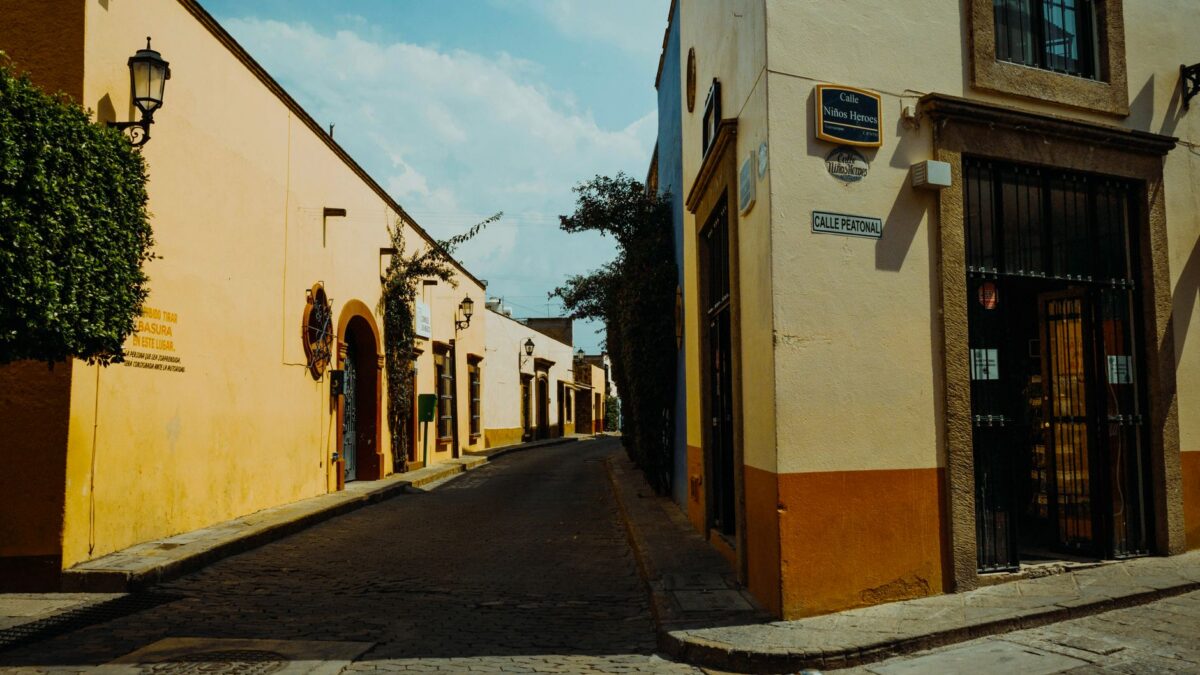
Gràcia, Poblenou, Sant Antoni, Poble-sec and Sants are residential districts of Barcelona with their own squares, markets and festivals. Several were separate towns before they joined the city, and each still has a recognisable character. They have fewer big sights than the old city, which suits an unhurried afternoon of walking, eating and browsing.
Gràcia
Gràcia began around a convent, Nostra Senyora de Gràcia, founded in 1626 by Carmelites. It stayed an independent municipality for centuries until Barcelona annexed it in 1897. According to Wikipedia, the district covers the barris (neighbourhoods) of Vila de Gràcia, Vallcarca i els Penitents, El Coll, La Salut and Camp d’en Grassot i Gràcia Nova.
The old one-way streets are organised around plazas, including Plaça de Vila de Gràcia, Plaça del Sol and Plaça de la Virreina. Few international brands or fast-food chains operate here. Instead you find small cafés serving tapas and Catalan specialties, food outlets from Japanese to Greek, vintage clothing shops, and artisans working in ground-floor shops and squares. Carrer de Verdi is named as a good street for shopping. Catalan flags hang from many windows and terraces.
Where: Gràcia borders the Eixample to the south, Sarrià-Sant Gervasi to the west and Horta-Guinardó to the east.
El Poblenou, Sant Martí
El Poblenou (Catalan for “the new village”) was once a separate town. In the 19th century it was the centre of Catalan industry and earned the nickname “the Catalan Manchester”. The 1992 Olympic Games set off a large transformation, and many former factories and warehouses are now lofts, galleries and shops. The 22@ plan aims to turn the area into a technology and innovation district.
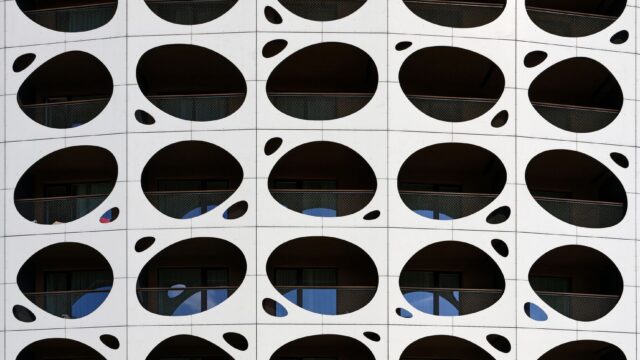
The main commercial street is the tree-lined Rambla del Poblenou, which runs from Avinguda Diagonal to the beach. Notable buildings include Jean Nouvel’s Torre Agbar and the Forum Building by Herzog & de Meuron. Green space includes the Parc Central del Poblenou, the beachfront Parc del Poblenou and the Parc del Forum, and the historic Poblenou Cemetery is also here. The Llum BCN light art festival has been held every February since 2012. Wikipedia notes that the Rambla is dealing with gentrification and mass tourism, and that flat prices in the area have risen sharply.
Getting there: Metro line 1 stops at Marina and Glòries. Line 4 stops at Selva de Mar, Poblenou, Llacuna and Bogatell. Trambesòs tram stops include Glòries, Ca l’Aranyó, Pere IV and Fluvià.
Sant Antoni, Eixample
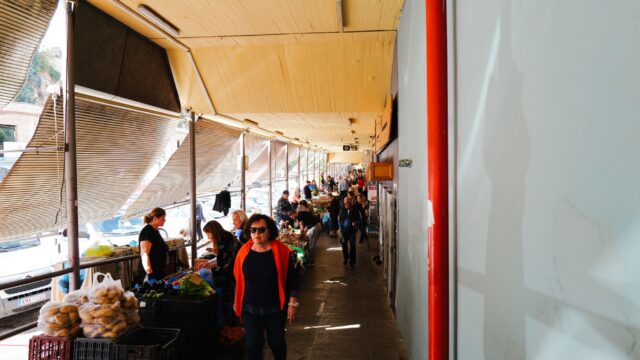
The neighbourhood’s informal centre is the Mercat de Sant Antoni, designed by Antoni Rovira i Trias and built between 1872 and 1882. On Sunday mornings, secondhand book stalls surround the building. Next to the market is the bar Els Tres Tombs, another well-known landmark. For more on the market and others in the city, see our guide to Barcelona food markets.
Sant Antoni follows the Eixample grid, with one exception: Avinguda de Mistral, built on the line of an important medieval road out of the city. Most buildings date from the 1920s and 1930s. Some gentrification has taken place since the 1980s, and Wikipedia describes it as one of the quietest areas of the city centre. Ronda de Sant Antoni has been pedestrianised.
Getting there: Barcelona Metro stations are Sant Antoni (line 2), Urgell (line 1) and Poble Sec (line 3).
El Poble-sec, Sants-Montjuïc
El Poble-sec (Catalan for “the dry village”) lies between Montjuïc mountain and Avinguda del Paral·lel. People moved here from the 19th century because the walled city was overcrowded and unsanitary. Remnants of the medieval city wall can still be seen at the end of Avinguda del Paral·lel, next to the Museu Marítim de Barcelona, according to Wikipedia.
Its position at the foot of the hill makes it a natural base for the gardens and viewpoints above. Our guide to Montjuïc covers what to see up the slope.
Getting there: The Poble Sec station of the Barcelona Metro is in the neighbourhood and carries its name.
Sants
Sants was an industrial town called Santa Maria de Sants before its merger with Barcelona took effect in 1897. It was home to major Spanish textile manufacturers such as España Industrial and Vapor Vell. Today the main artery is Carrer de Sants, popularly called Carretera de Sants, which runs west from Plaça d’Espanya and is one of the largest commercial streets in Barcelona. The Parc de l’Espanya Industrial is also in the neighbourhood, and parks and gardens in Barcelona are covered separately.
The best-known event is the Festa Major, held every year for the patron saint, Bartholomew the Apostle. During the week-long feast, traffic is cut off in several parts of the neighbourhood and activities move outdoors: butifarrades, xocolatades (gatherings where people drink chocolate), concerts, sardanes and habaneres. Neighbours decorate the streets with allegorical themes. A second feast, the Festa Alternativa, runs at the same time, Wikipedia says.
Getting there: Barcelona Sants railway station, the city’s major rail station, is in the neighbourhood.
Tips for visiting
- Go to Sant Antoni on a Sunday morning if you want the secondhand book stalls.
- Use Gràcia’s plazas as meeting points and wander the streets between them.
- Pair Poblenou’s Rambla with a walk to the beach or one of its parks.
- If your trip overlaps with the Sants Festa Major or Llum BCN, expect closed streets or crowds. Check dates with the Ajuntament de Barcelona (city council), since the sources used here give none.
- Opening hours for shops, bars and parks vary by business. Confirm them before you go.
Quick answers
Which of these neighbourhoods is best for the beach?
Poblenou. It borders the Mediterranean, and the Rambla del Poblenou ends at the beach.
Are these areas crowded with tourists?
Wikipedia describes Gràcia as having no major tourist attractions, Poblenou as having relatively few tourists, and Sant Antoni as one of the quietest areas of the centre. Poblenou’s Rambla, though, is affected by mass tourism.
Where does the Sants Festa Major take place?
In the Sants neighbourhood, with traffic closed in several parts of it during the week of the feast. Confirm the dates with the city council.
Checked against official sources in November 2026. Hours, prices and rules change: confirm on the official page before you go or apply.