Court Rejects BAMSA’s Pandemic Claim of Nearly Fifteen Million Euros Against Barcelona
Catalonia's high court ruled Barcelona does not owe parking operator BAMSA nearly fifteen million euros for pandemic losses. The company can still go to the Supreme Court.
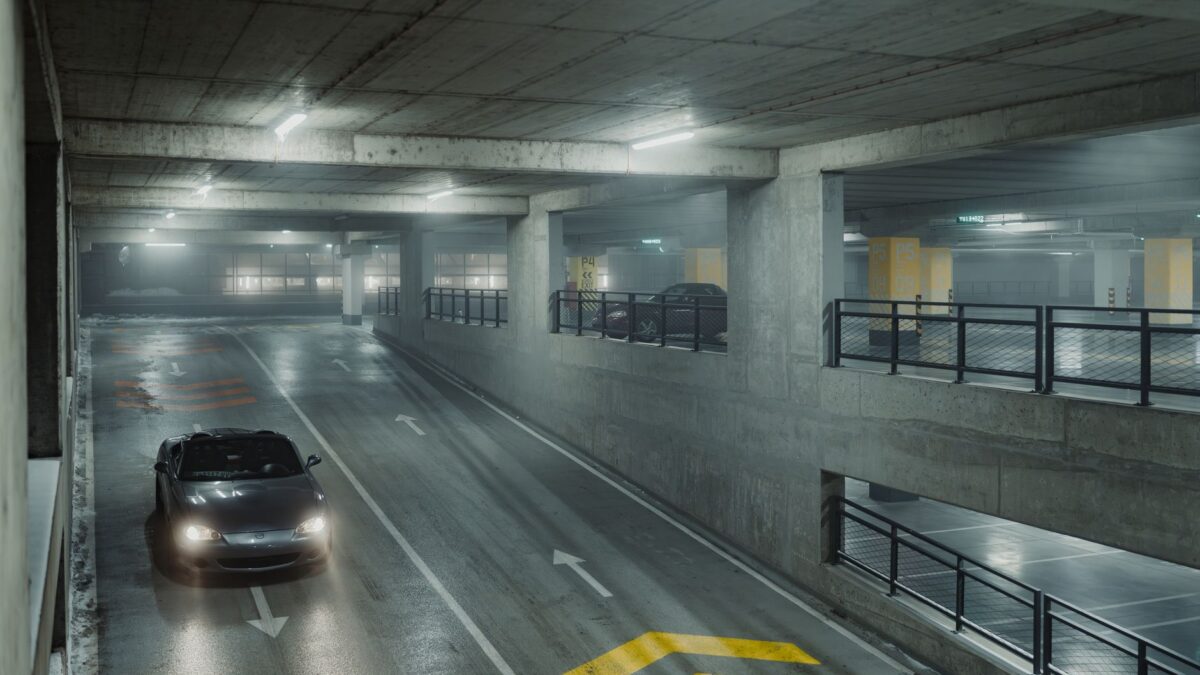
The Tribunal Superior de Justicia de Catalunya (TSJC, Catalonia’s high court) has rejected an appeal by BAMSA, the company that runs 26 car parks in central Barcelona, which wanted nearly fifteen million euros from the Ajuntament de Barcelona (city hall) for pandemic losses. Metrópoli Abierta reported the ruling, which it consulted.
BAMSA, short for Barcelona Aparcaments Municipals SA, is a public-private company. The municipal firm BSM holds 40% and the private company SABA holds 60%. The ruling confirms an earlier decision in the city’s favor.
What BAMSA asked for
The company sought an economic rebalancing of its concession for revenue lost between March 2020 and June 2021, during curfews, perimeter closures and the successive states of alarm. It argued that the mobility restrictions amounted to force majeure and made it partly impossible to run the contract on the original terms. As an alternative to the payment, it proposed extending the concession by 10 additional months.
The contract was signed in October 2014 and gives BAMSA the right to operate the car parks for 25 years, until September 2039. BAMSA acknowledged that the contract already made it responsible for traffic trends in the city. Its case was that the pandemic was a “revolution”, not a normal decline.
The Consell Municipal rejected the request on July 13, 2022. A Barcelona administrative court (Juzgado de lo Contencioso-Administrativo número 4) backed the city in a ruling dated Dec. 11, 2024, which the TSJC has now upheld.
Why the court sided with the city
The judge found the restrictions did not make it impossible to carry out the concession, even partially. The ruling says the car parks stayed open and kept operating. According to the ruling, a traffic comparison showed figures similar to or higher than earlier periods.
The court said compensation of this kind falls under a special emergency decree-law that requires the contract not to be carried out at all. It also applied the principle of “riesgo y ventura”, a standard rule in public contracts under which the contractor bears losses, extra costs or gains from running the contract.
The ruling criticizes BAMSA for comparing only revenue in the claimed period with an earlier one, without showing its costs. Citing Supreme Court case law, the TSJC added that for a 25-year contract, a loss of income concentrated in a few months does not show a substantial break in the economics of the concession.
The court also said the restrictions came from state rules with the force of law and from health authorities, not from an order by city hall as the contracting body. It called the public health measures reasonable and proportionate, and said force majeure does not automatically bring compensation.
What happens next
The TSJC ruling ends this stage of the case. BAMSA can still take it to the Tribunal Supremo (Supreme Court). Metrópoli Abierta said it tried to contact BAMSA and had received no reply when it went to press.
What this means for the city
City hall does not have to pay the nearly fifteen million euros, and the concession keeps running on its original terms to 2039.
Source: Metrópoli Abierta