Mossos Used Plainclothes Squads to Make 52 Arrests at Strike
Catalonia's police made 52 arrests at the general strike and 130 after the Blocus riots, a shift Ara links to large plainclothes groups.
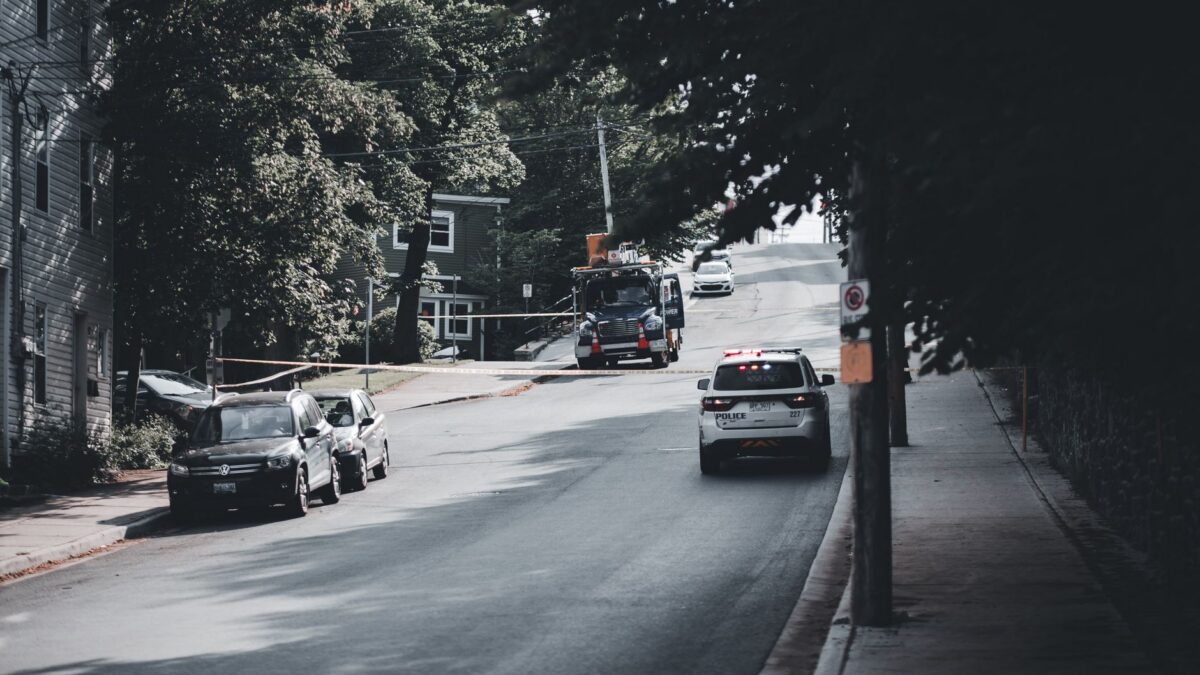
The Mossos d’Esquadra (Catalonia’s police) arrested 52 people during the general strike and 130 after the Blocus riots, according to the Catalan newspaper Ara. The outlet attributes the high numbers largely to large groups of plainclothes officers, a tactic the force had mostly set aside.
Police sources told Ara that the recent unrest was longer and more violent than earlier episodes, yet it produced far more arrests.
How the numbers compare
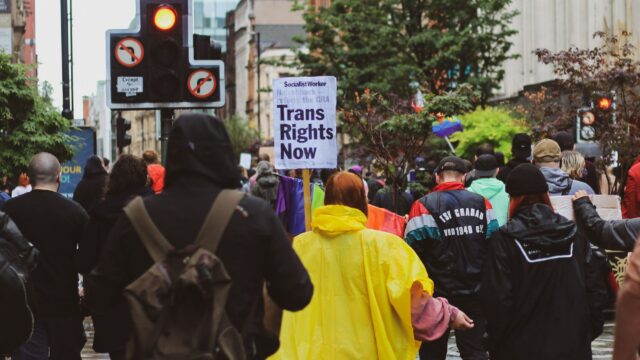
During the riots over the imprisonment of Pablo Hasél, no night ended with more than ten arrests except one, when the count passed thirty, Ara reported. The protests after the sentences in the Procés trial recorded similar figures. Pro-Palestinian protests, the disturbances against covid restrictions, evictions such as La Ruïna and El Kubo in Barcelona and the incidents of Sept. 11 this year also stayed far below the figures from the Blocus gatherings and the Nov. 11 night.
Police sources said the earlier episodes did not involve plainclothes groups so large or so focused on making arrests. Such squads are not new: Ara traces them to the general strikes of 2010 and 2012 and the riots after Barça’s title celebrations, when detainees often topped a hundred.
Why the tactic was dropped, and why it came back
According to police sources, the squads fell out of use because a group of officers dressed in black standing close to a march can intimidate people and affect the right to protest. On Nov. 11, a group of these officers was intimidated and attacked by anarchists and other participants after the anarchists began painting and trying to smash shop windows, which Ara describes as the starting point of the riots.
Police sources told the newspaper the squads work best against looting by small, non-specialized groups with no clear ideology and no crowd defending a cause, which describes Blocus and the Barça riots of fifteen years ago. At the Hasél and post-sentence protests, by contrast, large crowds shared a cause and specialized groups knew how to hide among demonstrators. In that setting, a large number of plainclothes officers is hard to keep unnoticed, and protesters can turn on them or report the operation.
What it means for public order
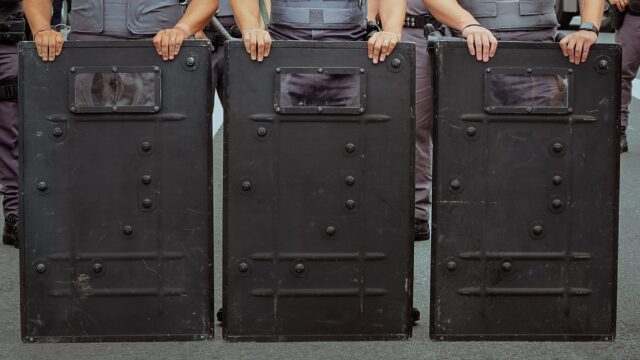
The Mossos’ public order approach has traditionally been to contain disturbances directly with many Brimo (riot unit) officers and wait until the main troublemakers are identified before making arrests. On the day of the general strike the first arrests came as the unrest was starting, and Brimo officers intervened less and charged less often.
Police sources connect this to lost equipment. The Mossos now use only short-range foam projectiles besides batons, since rubber balls and long-range foam were dropped. Pepper spray was introduced during the pro-Palestinian protests, caused controversy and now has a specific protocol. The current model works from a distance rather than close contact.
Some police sources said a forceful message was needed to Blocus sympathizers because the movement risked taking root over the coming months. After several quiet years on the street, the Mossos see a more polarized scene ahead, with elections approaching.
Source: Ara