Catalan Scientists Press Government to Prepare for a Super-Niño
Researchers say Catalonia is late on climate preparedness. Civil Protection staff has doubled, and the EU asks for a 72-hour emergency kit in every home.
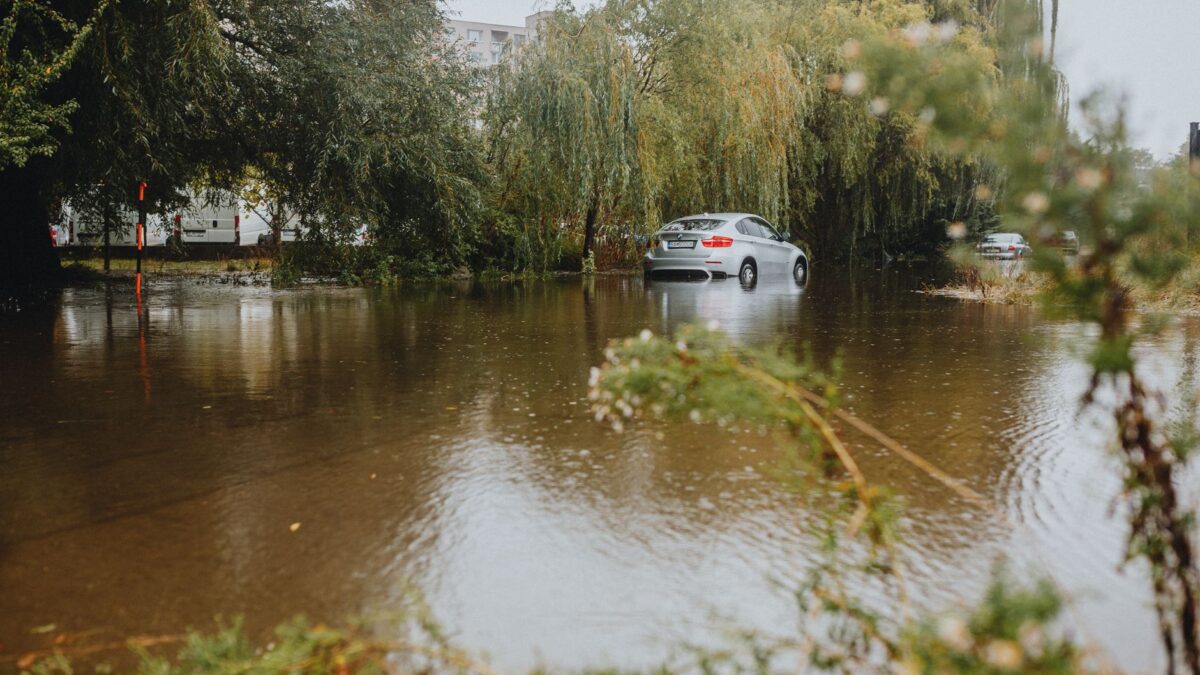
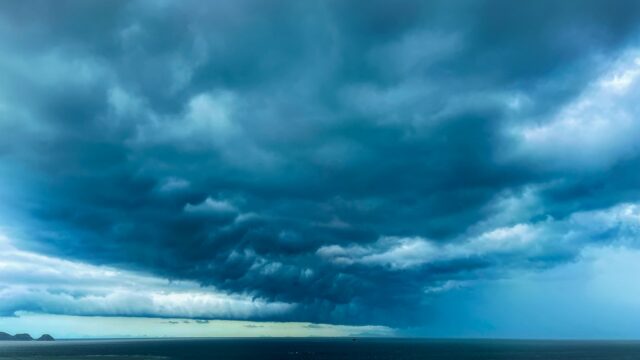
Scientists in Catalonia are asking the Generalitat to prepare homes, services and infrastructure for more extreme weather as a super-Niño develops, the newspaper Ara reports. About ten exceptional storms hit Catalonia this year, concentrated between August and October.
The researchers say they are not trying to alarm anyone. They also caution against predicting what a super-Niño will do here. Javier Martín-Vide, a physical geography professor at the Universitat de Barcelona, notes that El Niño has historically had little effect on the Mediterranean and that there are no clear cause-and-effect links for a super-Niño.
What officials say has changed
Sergio Delgado, deputy director of planning at the Generalitat’s Protecció Civil (civil protection service), says the government is speeding up preventive instructions such as lockdowns and mobility restrictions, and is backing town halls that want to apply them locally. The Govern has doubled Protecció Civil staff to about a hundred workers, with a target of 400.
Martín-Vide admits that things have been done but says “we are late”. Antoni Luna, a researcher at Universitat Pompeu Fabra, argues that mitigation and adaptation need 20-year strategies, which election calendars do not reward.
What households are advised to do
The scientists want residents to know the risks where they live, including whether their home is in a flood zone or a high wildfire-risk area, and to learn emergency protocols. They also point to neighbourhood networks and emergency plans, with support for people who live alone or have trouble moving around.
The European Union recommends that homes keep a basic kit that covers the first 72 hours of an emergency without outside help, whether it is a natural disaster, a blackout or a cyberattack. Ara’s list includes:
- drinking water and non-perishable food that needs no cooking
- a first-aid kit and regular medication
- a battery or hand-crank radio, a torch with spare batteries and a power bank
- personal documents and prescriptions in a waterproof bag, plus cash and a bank card
- warm waterproof clothing, a thermal blanket and spare shoes
- items for children, older people, people with disabilities and pets
Why it matters for people in Barcelona
Delgado says about 72 hours of electrical autonomy is what the EU asked states to guarantee for hospitals, care homes, fire stations and police stations. That goal has not been met: some settings have 24 or 48 hours. After the 2025 blackout the Generalitat pushed measures to make the electricity system more resilient.
The experts also name the Rodalies line along the coast as infrastructure whose location and protection should be reviewed, since the coast is especially exposed to rising seas and storms. Luna says ranges such as Collserola and the Serralada Litoral, once the edge of the cities, are now surrounded by metropolitan areas and need joined-up forest management.
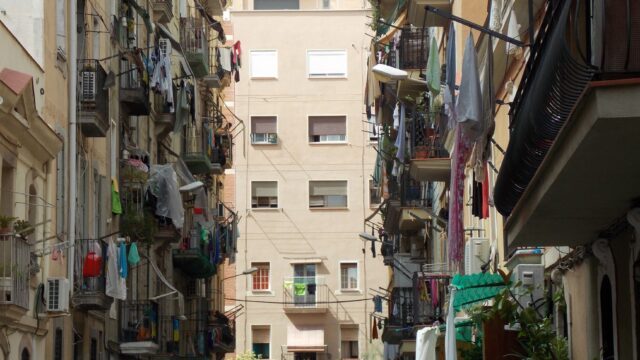
On planning, Delgado says the Generalitat has started reviewing safety conditions at schools, care homes and campsites in high flood-risk areas. The next step, he says, is to change urban planning to stop new development in risk zones. Experts also urge more climate shelters in neighbourhoods with poorly insulated housing. Martín-Vide expects extreme episodes to affect health, the economy and daily life, and says prices for chocolate, coffee, probably rice and insurance premiums will rise.
Source: Ara