Spain Non-Lucrative Visa: Income, Insurance and No-Work Rule
The Spain non-lucrative visa needs savings or passive income worth 400% of IPREM, full private health cover and no work of any kind. Documents explained.
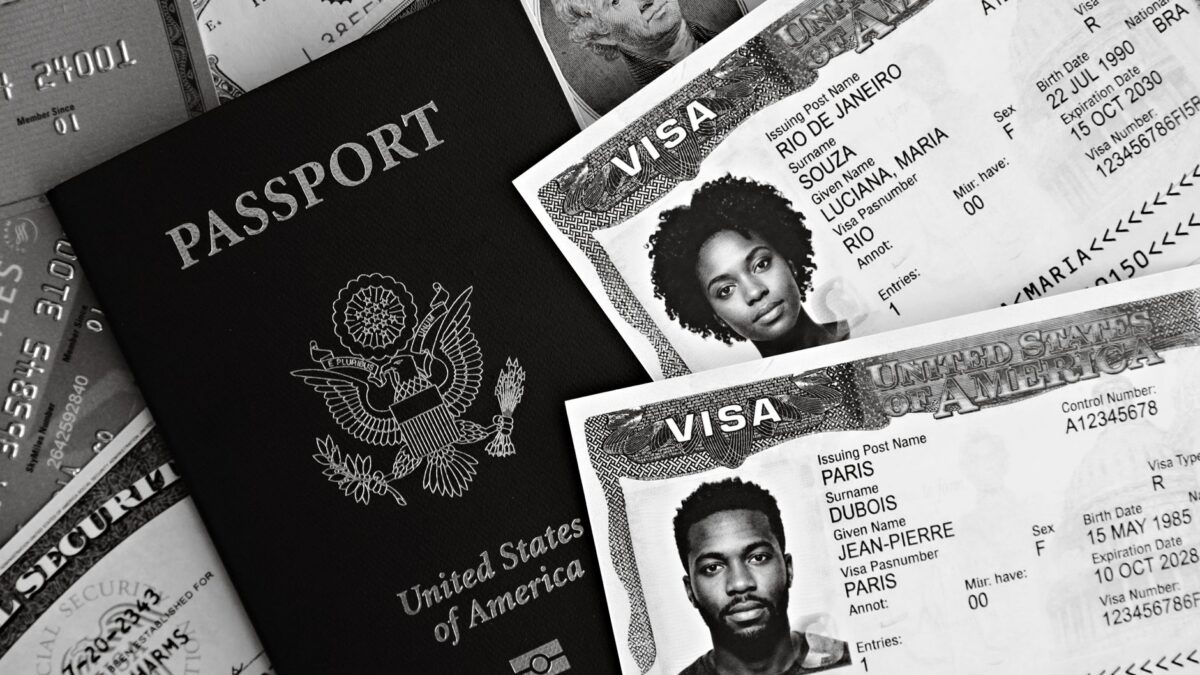
The non-lucrative visa lets you live in Spain without working, as long as you can prove enough money for the first year. The income bar is 400% of Spain’s public income indicator (IPREM), plus 100% of IPREM for each family member who comes with you. You also need health insurance with no copayment and no coverage limit, and you must promise not to work in any form, including online for a foreign employer.
The rules below come from the Spanish consulates in Washington and New York, which run their own pages. Requirements differ slightly between consulates, so check the page of the consulate that covers your place of residence.
Who can get the non-lucrative visa?
Anyone who can live on guaranteed means without doing gainful work or professional activity in Spain. The Spanish consulate in Washington says the visa is not a work permit. Family members can apply too: a spouse, registered partner or proven stable partner, minor children who are unmarried or not emancipated, and adult children who are disabled and need support or cannot provide for themselves because of their health.
The New York consulate describes the family group more broadly, naming dependent children and dependent relatives in the ascending line (parents and grandparents) as well as the spouse or unmarried partner. If you are not sure whether a relative qualifies, ask your consulate before you book.
How much income or savings do you need?
Both consulates set the minimum at 400% of the IPREM per year. For each dependent family member who accompanies you, add 100% of the IPREM per year. The IPREM is an annual figure that Spain sets, and the consulate pages do not print it, so look up the current euro amount on an official source and do the arithmetic before you apply.
The money must cover your living costs for the first year of the residence permit, or you must show a regular income that does not depend on working in Spain. Washington lists what it expects:
- Bank statements from the last 3 months for every account, whether checking, savings or investment.
- A certificate from each bank giving its name and address, the account details, the opening date and any closing date, the balance on December 31 of the year before your application, and the average balance over the previous 12 months. It needs an official or sworn translation into Spanish.
- Proof of any other regular income, such as Social Security benefits or a public or private pension. The document must be recent, show the current amount and confirm that the income will continue for at least the next 12 months or the period you plan to stay.
- A copy of your latest tax return.
Washington also recommends, though it does not require, a termination letter from your employer if you are of working age, or a sabbatical letter.
What health insurance does the visa require?
You need a public or private policy from an insurer authorized to operate in Spain. It must cover every risk that Spain’s public health system covers, with no deficiency, copayment, deductible or coverage limit. Washington puts it as covering 100% of medical, hospital and outpatient costs. Policies with copays are the usual reason applications stall, so read the policy wording before you send it. Our guide to private health insurance in Spain explains copays and waiting periods in more detail.
Can you work remotely on this visa?
No. Washington states that the visa does not allow any work or professional activity, including remotely online, and New York says it does not allow teleworking. Washington asks for a notarized affidavit in which you promise not to do any lucrative work, on site or online, while you live in Spain. People who want to keep a remote job need a different permit, and Washington points to its telework (digital nomad) visa section. For a side-by-side look at the options, see Spain’s long-stay visas compared.
Which documents do you submit?
The lists overlap but are not identical. Common to both:
- The national visa application form, signed, and Form EX-01 for temporary non-lucrative residence.
- A recent passport-size color photograph on a light background, facing forward, with no dark or reflective glasses.
- A valid passport with a minimum validity of 1 year and two blank visa pages. Passports issued more than 10 years ago are not accepted.
- Proof of financial means and the health insurance certificate described above.
- The fee form, Form 790-052, for the initial temporary residence permit.
Washington adds a notarized affidavit that covers your background, your reasons for moving, how long you plan to stay, the no-work promise and your postal address in Spain for at least the first 3 months. It also advises proof of accommodation, such as a lease of minimum 3 months signed by both sides or a property deed, and a school enrolment letter if you have children of compulsory school age.
New York instead requires a criminal record certificate for applicants of legal age, covering the past 5 years, legalized or apostilled. For US applicants only an FBI certificate is accepted, and it cannot be older than 6 months. New York also wants a medical certificate stating that you have no disease that could seriously affect public health under the 2005 International Health Regulations, with an official Spanish translation.
How do you apply?
- Confirm which consulate covers your place of residence. New York, for example, takes applications from New York, Connecticut, New Jersey, Pennsylvania and Delaware.
- Gather the documents, with official or sworn Spanish translations where required.
- Request an appointment. New York asks for an email with each applicant’s details and scanned ID, and applications are submitted in person.
- Pay the residence permit fee on Form 790-052. New York says to check the amount with the consular office.
- Keep the proof of receipt. It carries a code you can use to track the file online.
The visa comes with an initial residence permit that is processed at the same time. The consulate can ask for extra documents or an interview.
Quick answers
Can my spouse and children come with me?
Yes. A spouse or partner and eligible children can apply, each with their own forms, and the income requirement rises by 100% of IPREM per dependent.
Does the insurance need a deductible?
No. Both consulates say the policy must have no copayment or deductible and no coverage limit.
Do I need to translate my bank statements?
Washington says statements and the tax return do not need translation, but the bank certificate does need an official or sworn translation into Spanish.
Checked against official sources in November 2026. Hours, prices and rules change: confirm on the official page before you go or apply.