Private Health Insurance in Spain: Copays, Waiting Periods, Visas
How Spanish health policies are built, what immigration offices and consulates look for on the certificate, and what private cover adds to public care.
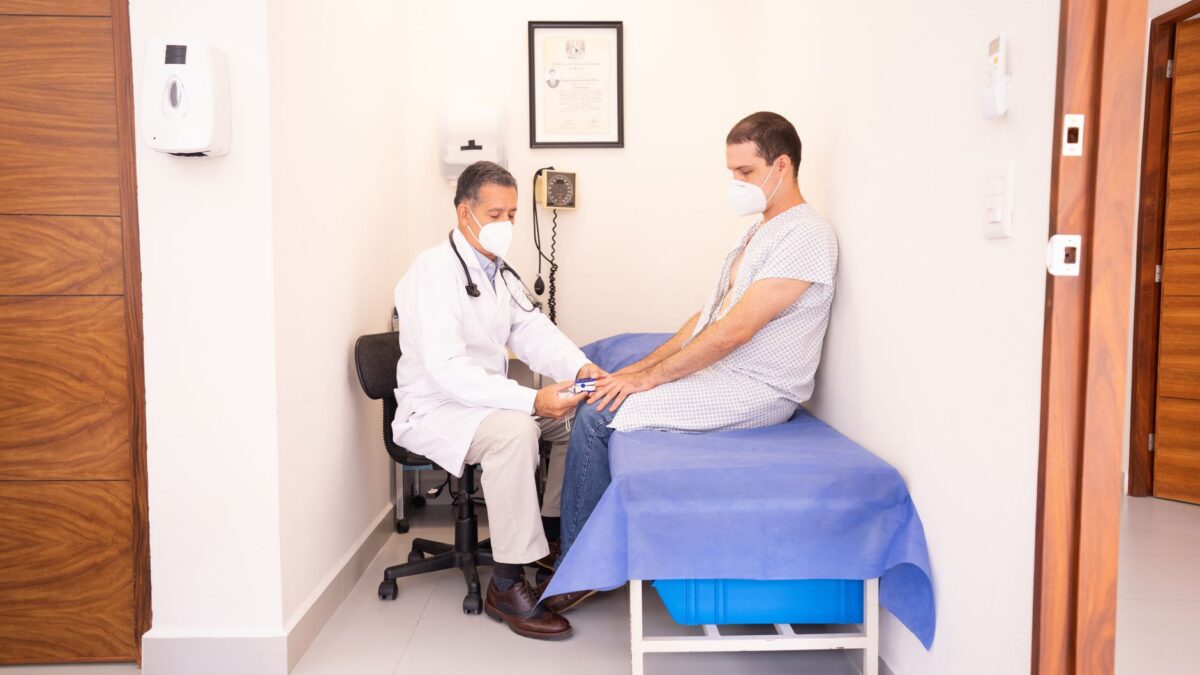
Private health insurance in Spain is sold by insurers such as Sanitas, Adeslas, DKV, Asisa and Mapfre, mostly as plans with a network of doctors and hospitals. For residence permits, Spanish consulates ask for a full health policy from an insurer authorized in Spain, with no copayments, no waiting periods and no cover limit, not travel insurance. It runs alongside CatSalut, the Catalan public health service, and does not replace your right to it.
How do private health plans in Spain work?
Most policies give you access to a list of doctors, clinics and hospitals contracted by the insurer, the cuadro médico (provider network). You book directly with specialists in the network, usually without a GP referral, and the insurer pays the provider. Plans differ on five points, and these matter more than the brand:
| Feature | What it means | What to check |
|---|---|---|
| Copago (copayment) | You pay a fixed amount per visit or test on top of the monthly premium | Amount per use and any yearly cap; plans with copays cost less per month |
| Carencia (waiting period) | Time after signing before some services are covered, often for surgery, hospital stays or childbirth | Which services have a waiting period and for how long |
| Pre-existing conditions | Illnesses you had before signing may be excluded | The health questionnaire and the exclusion clauses |
| Reimbursement (reembolso) | Some plans also refund part of the cost of doctors outside the network | Percentage refunded and annual limits |
| Network and hospitals | Which Barcelona hospitals and specialists are included | Search the provider network for your district before you sign |
Insurers must give you the policy terms and the product information before you sign. Read the general and particular conditions, not just the sales page.
What does extranjería require for a residence permit?
The immigration regulation, Real Decreto 1155/2024, makes health insurance (seguro de enfermedad) a condition for several permits, including non-lucrative residence, students, family reunification and EU long-term residence. For student stays it spells out that the insurer must be authorized to operate in Spain and the cover must be similar to the basic services of the national health system.
Spanish consulates publish more detailed checklists. The São Paulo consulate’s residence visa requirements, for example, say the insurance cannot be travel insurance and must be a health policy without waiting periods, without copayments and without a cover limit, valid for the whole stay. Immigration offices in Spain can ask for the same features for applications and renewals filed here, so a cheap copay plan bought to save money can put an application at risk.
- Check that the insurer appears in the official register of the Dirección General de Seguros y Fondos de Pensiones (Spain’s insurance supervisor).
- Ask the insurer for a certificate that states the policy has no copays, no waiting periods and no limit, with the start and end dates.
- Keep it active for the whole permit. For renewals the office checks that you held insurance during the previous period, not just on the day you file.
Many insurers sell a product designed for residence applications; the certificate wording still needs to match what the office asks for. For complex cases, check with the Oficina de Extranjería or an abogado de extranjería.
How does private insurance fit with CatSalut?
The public system in Catalonia is run by CatSalut, and access goes through the TSI health card. If you work in Spain and pay Social Security, or you are otherwise entitled, you have public healthcare whether or not you also buy private cover. Private insurance adds:
- faster access to specialists and tests in many cases;
- choice of doctor within the network and private hospital rooms;
- services the public system covers only partly, depending on the plan, such as some dental care.
It does not give you a TSI card or pay for public hospital care. If you have no right to public care and do not want private insurance, Catalonia offers a paid public option, the conveni especial, for people who meet its conditions. Whatever cover you have, our guide to urgent care in Barcelona explains where to go in an emergency.
How do you choose a plan, step by step?
- Decide why you need it: a residence permit (then no copays, no waiting periods) or extra comfort on top of public care (copay plans may be enough).
- List the hospitals and specialists you want near your home and check each insurer’s network.
- Fill in the health questionnaire honestly. Undisclosed conditions can lead to refused claims.
- Compare the yearly cost: premium times twelve, plus expected copays.
- Read the renewal clause. Premiums usually rise with age, and insurers update them each year.
- Keep the policy, payment receipts and certificate together for any immigration file.
Bottom line
If the policy is for a permit, ask for the extranjería certificate wording before you pay, not after. If it is on top of CatSalut, a plan with copays can be cheaper overall if you rarely see a doctor, so compare the yearly total rather than the monthly price.
FAQ
Does an EHIC or travel insurance count for a residence permit?
No. Consulates exclude travel insurance, and the EHIC is for temporary stays. See using an EHIC in Barcelona for what it covers.
Can I get private insurance with a pre-existing condition?
Often yes, but the insurer may exclude that condition or add conditions after reviewing your questionnaire. Ask for any exclusion in writing.
Can I cancel a private health policy?
Policies normally run for a year and renew automatically. Check the notice period in your contract for cancelling before renewal.
Is private health insurance tax-deductible?
Not for most individuals. Some employers offer it as a benefit with a tax advantage; ask your employer or an asesor fiscal.