La Pedrera’s Last Tenant Ana Viladomiu Pays Token Rent for Life
Ana Viladomiu, 70, lives in Gaudí's La Pedrera on a pre-1985 rent contract and has written a book about it. Here is how the arrangement works.
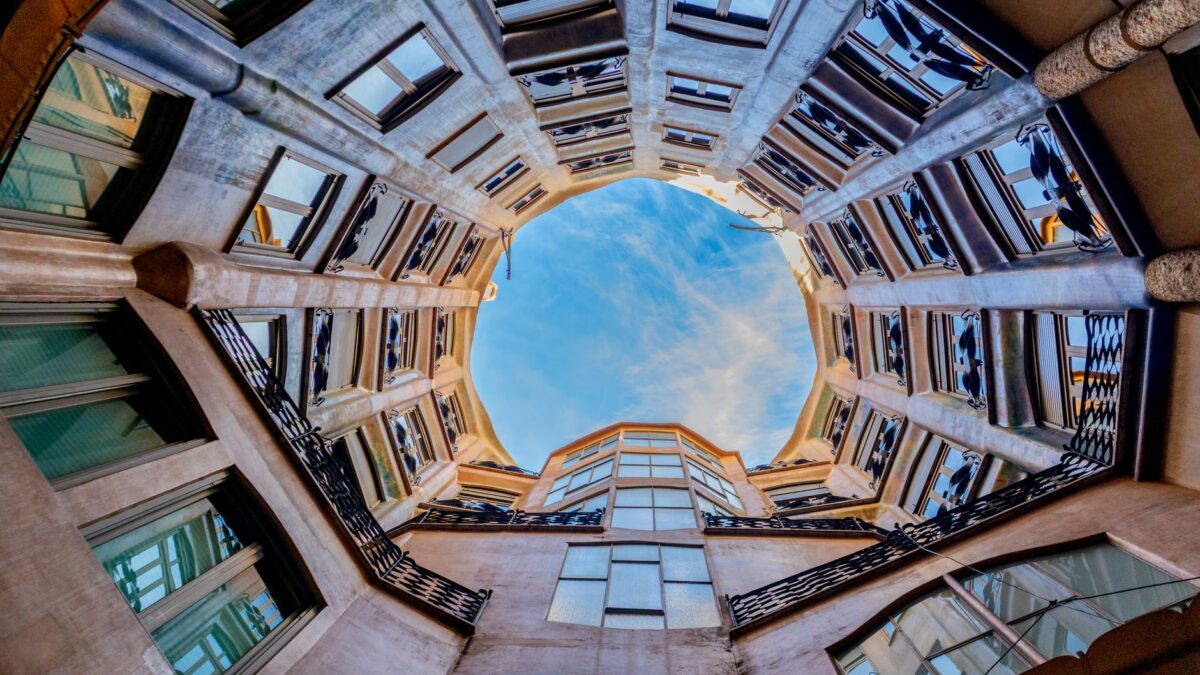
Ana Viladomiu, a 70-year-old writer, has lived for almost four decades in an apartment in La Pedrera, the Antoni Gaudí building on Passeig de Gràcia, and pays a symbolic rent under a contract that lets her stay for life, according to Barcelona Secreta. She has now written a book about the building, La última inquilina (The Last Tenant), and described her life there in a recent interview with The Guardian.
When she and her former husband both die, the apartment passes to the nonprofit foundation that has managed the monument since 2013.
A rent contract from before 1985
Viladomiu moved in in 1988. The flat belonged to her former husband, Fernando Amat, founder of the design shop Vinçon. Her contract is a renta antigua (an old-style rent contract), a type that stopped being issued in 1985 and fixes a symbolic rent for life. Her home is guaranteed until she and Amat have both died.
Media often call her the last tenant of La Pedrera, but Barcelona Secreta reports that two residents remain. She told The Guardian they hardly meet: they share no lobby, lift or staircase and only see each other when walking their dogs.
How the other tenants left
When she arrived, the building was an ordinary residential community. Soon afterwards, the former Caixa Catalunya bought it and paid compensation to tenants so the building could be emptied and restored. According to Viladomiu, she and Amat were never made an offer. She joked that the owners wanted them to stay as an attraction, like Copito de Nieve (Snowflake, the albino gorilla) at Barcelona’s zoo.
Living with about a million visitors a year
La Pedrera now receives around one million visitors a year. Viladomiu calls the home a privilege but says it has daily costs. She told The Guardian she cannot take out the rubbish in pyjamas because people photograph her or ask whether she is the woman who lives upstairs.
Her apartment keeps its curved walls, its light and its original brass switches. She refuses to change anything and says everything still works. Among the visitors she has received is the designer Jean Paul Gaultier, whom she invited up after meeting him by the lift. He sent her roses the next day.
Why it matters
The story appears in 2026, the centenary of Gaudí’s death, and shows that La Pedrera was built as an apartment block. Barcelona Secreta lists some of its other uses, including a party headquarters during the Civil War, a bingo hall, a consulate and the home of an Egyptian prince. Viladomiu’s book collects her memories and accounts from former neighbours.
For readers interested in visiting, the site has a guide to La Pedrera tickets, roof terrace and opening hours.
Source: Barcelona Secreta