Barcelona Creates Commission to Oversee La Rambla After Overhaul
Mayor Jaume Collboni has set up a city commission and coordination office to manage the new La Rambla after its reform, with a Feb. 13-14 reopening planned.
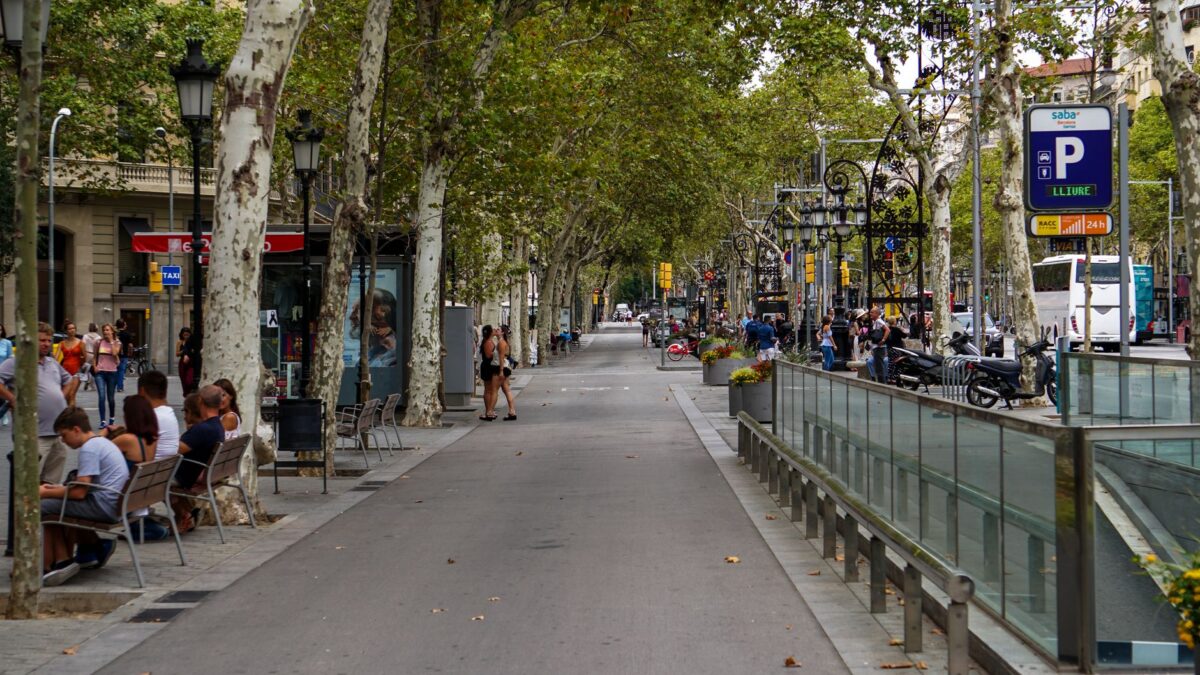
Barcelona’s mayor, Jaume Collboni, has created a new municipal body to oversee how La Rambla is used once its reform is finished. According to La Vanguardia, a decree published Tuesday in the city’s official gazette sets up the Comisión de Gobernanza y Gestión de la Nueva Rambla (Governance and Management Commission of the New Rambla). Its stated aim is to “ensure the effective rollout” of everything tied to the improvement of the avenue.
The inauguration of the reformed Rambla is planned for Feb. 13 and 14, according to the newspaper.
Who sits on the commission
The commission brings together the city departments with a stake in La Rambla: economy, urban landscape, urbanism, culture, restaurants, cleaning, mobility, commerce, markets, housing and security. The Ciutat Vella district, led by councillor Albert Batlle, is also represented. It will meet at least twice a year.
The body is meant to pursue the goal the city government repeats about the project: “recovering La Rambla for the people of Barcelona,” as La Vanguardia puts it. The paper describes the commission as both judge and party in meeting that goal.
A coordination office and an annual plan
The decree also creates an Oficina de Coordinación de la Nueva Rambla (New Rambla Coordination Office). It will support management and follow up on the commission’s instructions. Everything is to be summarized in an annual action plan that sets out the priorities established by the city’s plenary council. The new body will also act as a point of contact with institutional, economic, social, cultural and neighborhood groups.
The decree describes the transformation as one of the most significant urban projects the city has promoted in recent decades. La Vanguardia calls it probably the most important project of the current term.
Why it matters
La Vanguardia notes that a street reform does not by itself change how a street works. Mobility changes are likely to come with the works, but relations between neighbors, cultural and economic uses, and the mix of shops follow their own dynamics. For years La Rambla has been oriented toward tourism, and the paper says there are serious doubts about whether residents will take it back.
The commission is the city’s tool for tracking that outcome after the workers leave.
Culture and shops
Culture is one of the main bets, according to the newspaper. The Liceu and the Poliorama would be joined in future by the Capitol (now city-owned), the Principal (recovery works on the theater have begun) and the Foneria de Canona, which is to become the Centro de Cultura Digital de Catalunya (Catalonia’s Digital Culture Centre).
La Vanguardia sees commerce as perhaps the hardest challenge, since the vast majority of shops cater to the needs and tastes of visitors.
Source: La Vanguardia