Snowflake’s Secret 1966 Flight: Letters Show Barcelona Zoo’s Doubts
Letters and a keeper's account show how Snowflake, the white gorilla, was flown to Barcelona in secret in 1966, and how the zoo's Guinea center worked.
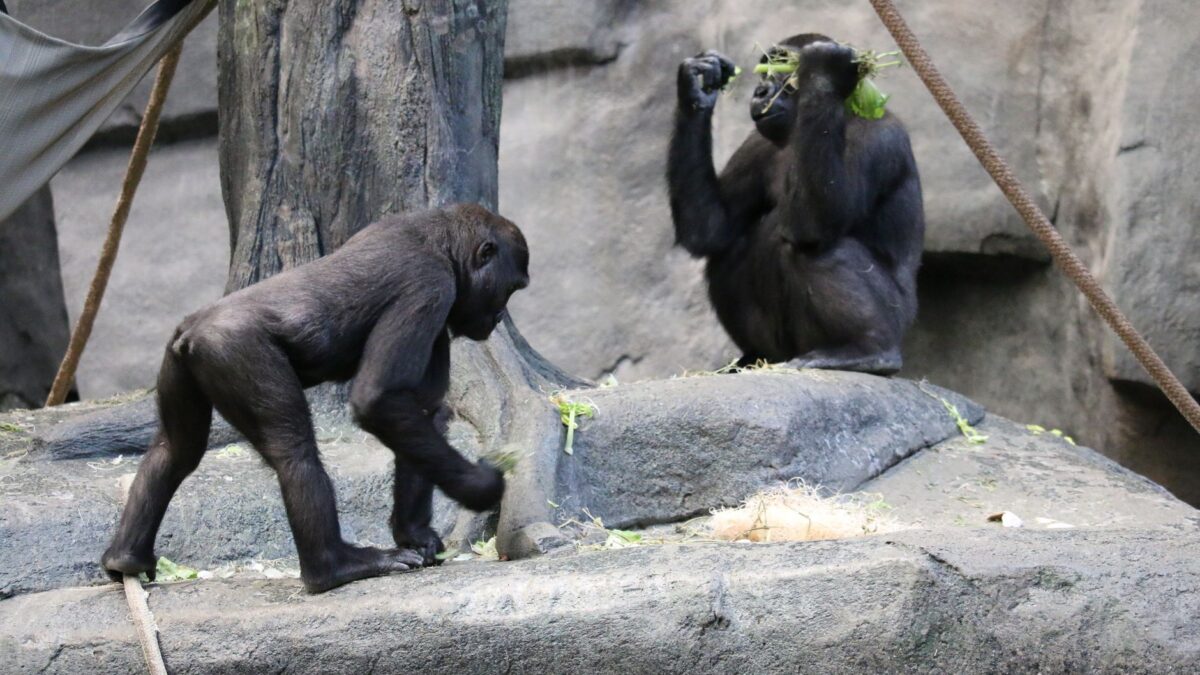
This November it is sixty years since Snowflake, the white gorilla who became a symbol of Barcelona, arrived in the city. Research by the Observatory of Daily Life, reported by Ara, shows he was flown in almost secretly in 1966, with papers that described him only as a “primate”, so that colonial authorities in Spanish Guinea would not block his departure.
The group has spent ten years studying the capture and exhibition of the gorilla. Its findings, built on private letters and testimony, describe a zoo supply system in Africa that took thousands of animals and whose own director had doubts about it.
How Snowflake reached Barcelona
Hunters caught the infant gorilla in 1966 near Nko, in what was then Spanish Guinea, after a hunter shot his mother. They sold him for 15,000 pesetas to primatologist Jordi Sabater Pi. He was taken first to Ikunde, a center a few kilometers from Bata (Equatorial Guinea) that supplied animals to institutions run by the Barcelona City Council. He arrived there close to death.
Once he recovered, staff arranged the flight to Barcelona while the civil governor was away, and did not mention that the gorilla was white. According to the Observatory, organizers feared Guinea would refuse an export permit if it knew. One letter says local authorities were unhappy when they found out and warned that future shipments of some animals could become harder.
No document explains exactly how the flight was handled. Francesc Fermín Andreu, now 84, who looked after primates at the Barcelona Zoo for nearly 20 years, remembers the morning the zoo’s driver brought in a small plywood box from the airport with only one or two air holes. When he lifted the lid and reached in, the gorilla bit his arm. Fermín says even the director and the vet did not know at first what animal they had received.
What the letters reveal about Ikunde
Ikunde, formally the Ikunde Zoological Adaptation and Experimentation Center, opened in 1958 with City Council money. Observatory historian Pablo González says it was presented as a research institute but worked mainly as a channel for taking fauna, flora and ethnographic objects out of the colony. Poor ventilation and cramped space on ships and planes caused deaths that were barely recorded. The BBC reported that in September 1963 several chimpanzees suffocated during a shipment to London.
In a letter dated March 25, 1964, Sabater Pi asked the zoo’s director, Antoni Jonch, whether they had a clear conscience and said he did not want to side with the “exterminators”. Jonch replied two weeks later that removing a few hundred animals from the forest did not attack their dignity and that nature should serve people.
A 1967 report by Sabater Pi counted the animals that had reached the Barcelona Zoo since 1958:
- 1,614 mammals and 776 birds
- 528 reptiles and 339 amphibians
- 22 fish, 8 insects, 14 arachnids and 142 mollusks
- 3,443 animals in total
González says the letters show official figures were regularly lower than real captures, so the true number taken from Guinea is unknown. A 1954 colonial law banned gorilla hunting except under special permits held by bodies such as Ikunde, which pushed local hunters into poaching or into selling to Ikunde below international prices. In five years, he says, the zoo grew from 3 to 12 hectares.
Why it matters for Barcelona’s memory
Snowflake was used as a public image for the city and for the Franco regime. He lived first in a flat on Urgell Street with the family of vet Román Luera and his wife, Maria Gràcia. The zoo presented him officially on Dec. 1, 1966. In March 1967 the couple drove him to Plaça de Sant Jaume, where he climbed the City Hall steps and sat in the chair of the Francoist mayor, Josep Maria Porcioles.
That visit came months after the Caputxinada, the three days in March 1966 when students and intellectuals held out at a Capuchin convent against Franco. González says the zoo helped the regime project an image of modernity abroad. Local hunters had called the gorilla Nfumu Ngui, Fang for white gorilla. National Geographic gave him the name Snowflake, and magazines such as Paris Match made him world famous. Democratic city councils kept him as a city symbol after the Transition.
A documentary next year
Andrés Antebi of the Observatory says the group will release a documentary next year with unpublished images and video from international archives and from Catalan families who lived in Equatorial Guinea.
Source: Ara