Tenants’ Unions Call Spain’s First General Strike Over Housing
Spain's Nov. 11 general strike was called over housing, with CCOO and UGT support. A timeline of the general strikes since 1988 shows what is different.
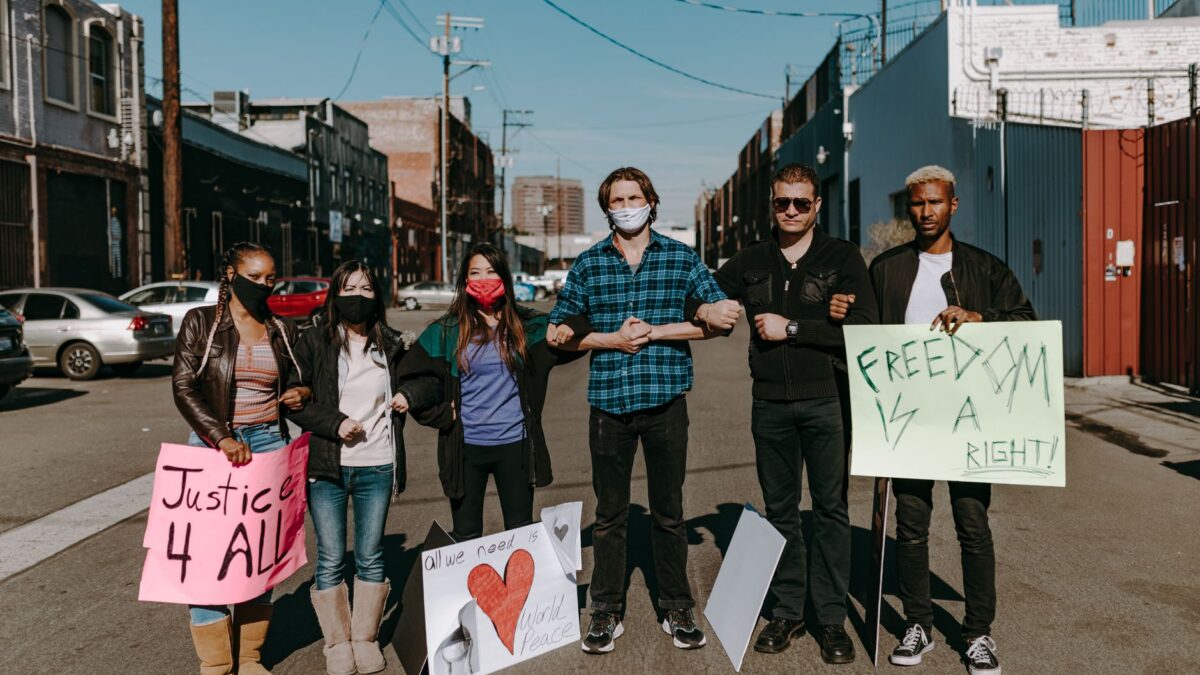
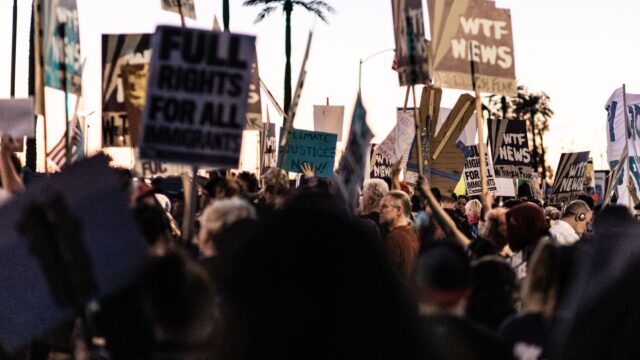
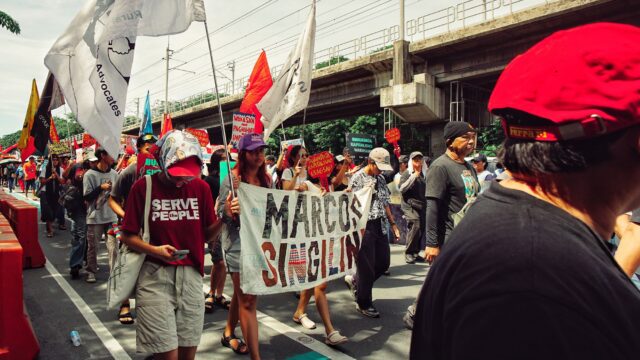
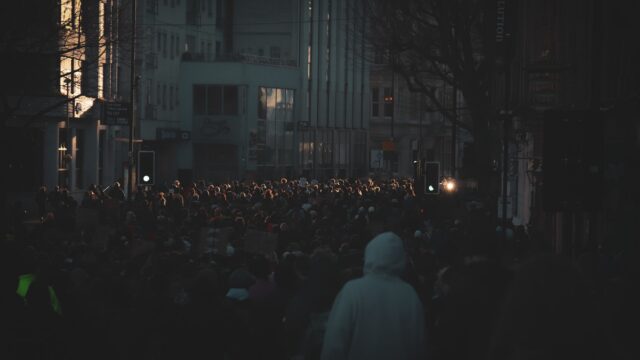
Spain held a general strike on Nov. 11 over housing. It was called by the national confederation of Tenants’ Unions and supported by Comisiones Obreras (CCOO, the Workers’ Commissions) and the Unión General de Trabajadores (UGT, the General Union of Workers). A banner over Barcelona’s Passeig de Gràcia read “Hem aturat el pais Ara el canviarem!” (We have brought the country to a halt; now we will change it!).
According to Víctor Climent Sanjuán, a sociology professor at the Universitat de Barcelona writing in The Conversation, it is the first major general strike in Spain that was not called against a labor market reform or pay cuts. His piece, republished by Barcelona Metropolitan, traces the general strikes held since Franco’s death.
From a single state union to collective bargaining
Under Franco, the only permitted union was the Sindicato Vertical (the Spanish Syndical Organization). After Franco died in 1975, unions and employers’ organizations received full constitutional recognition as the main players in collective bargaining.
During the transition to democracy, from 1977 to 1982, employers and unions held social dialogue known as concertación. Climent says it brought social peace and several landmark labor agreements in the early 1980s. From 1987 that consensus broke down, as employers and the government failed to meet commitments, particularly on employment.
General strikes from 1988 to 2012
- Dec. 14, 1988: CCOO and UGT struck against the Socialist Party (PSOE) government of Felipe González over a Youth Employment Plan that created lower-paid temporary contracts for young workers. Public transport stopped and the broadcaster TVE interrupted its programming. The government withdrew the plan and improved pensions.
- January 1994: the two unions protested measures that made hiring and firing easier, and the widespread use of fixed-term contracts, after a reform of the Workers’ Statute legalized temporary employment agencies. Turnout was lower than in 1988, and the government kept the core of the reform.
- June 20, 2002: the unions struck over labor reforms passed by José María Aznar’s government that mainly changed the unemployment benefit system. The government then opened negotiations and amended some of the most controversial parts.
- Sept. 29, 2010: the unions opposed a labor reform passed in June 2010 and the austerity policies of José Luis Rodríguez Zapatero’s government. Participation was uneven, and no measures were withdrawn.
- March 29 and Nov. 14, 2012: two strikes against the labor reform of Mariano Rajoy’s government. Turnout was very high, but the reform was not repealed.
Why it matters: housing replaces labor law as the trigger
Climent writes that Pedro Sánchez’s government, in office since 2018, restored dialogue with the unions on wages, temporary employment, the minimum wage, pensions and the 2022 labor reform. He says this explains why no general strikes were held in the Sánchez years.
He describes housing as one of the biggest problems facing Spanish society since the pandemic. In his account, rapid population growth pushed demand up while supply stayed insufficient and the market saw intense speculation, driving prices sharply higher. He writes that affordable housing is now practically non-existent.
The strike aims to raise awareness among political leaders and the public of a crisis that, in his words, prevents young people from living a dignified life. Housing protests preceded it: a sit-in at Madrid’s Puerta del Sol on Sept. 30, 2026, demanded an end to evictions and the right to housing. On Nov. 11, protesters also marched in Gijón.
Source: Barcelona Metropolitan