How to Read a Spanish Electricity Bill: Power, Periods and Taxes
Two charges, three time bands, two taxes and a regulated tariff that changes every hour. This is what each line on a Spanish electricity bill means.
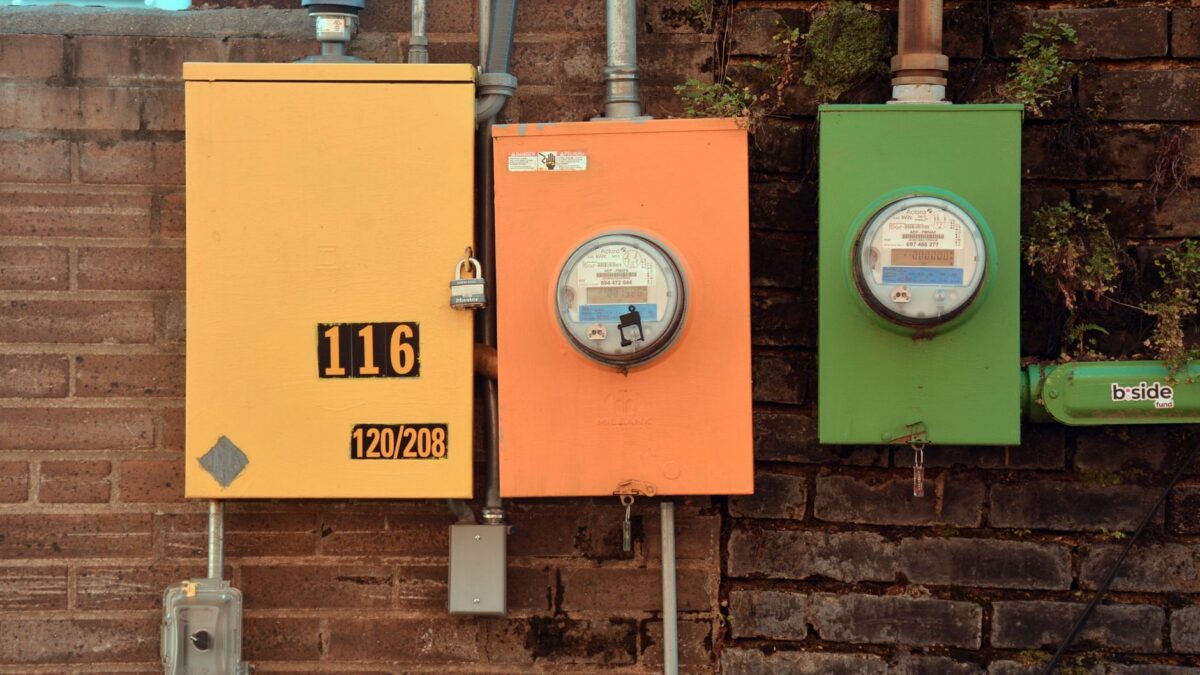
A Spanish household electricity bill has two main charges: the término de potencia (a fixed charge for the kilowatts of power you contract) and the término de energía (the kilowatt-hours you actually use). Meter rental, the electricity tax of 5.11% and VAT at 21% are added on top, as of November 2026.
What does each line on the bill mean?
Every supplier lays out the bill differently, but the same items appear on all of them:
| Line on the bill | What it is |
|---|---|
| Término de potencia | A daily charge for the power you contract, in kW, whether or not you use electricity |
| Término de energía | The price per kWh multiplied by your consumption, split into time periods |
| Impuesto eléctrico | The special electricity tax, 5.11% as of November 2026 |
| Alquiler de equipos de medida | Rental of the electricity meter |
| IVA | VAT, 21% as of November 2026 |
| CUPS | The unique code of your supply point, needed to switch supplier or transfer the contract |
Tax rates on electricity have changed several times since 2021. Under Real Decreto-ley 7/2026, approved in March 2026, VAT on contracts up to 10 kW returned to 21% and the electricity tax to 5.11% from 1 June 2026.
Are you on PVPC or a free-market tariff?
Spain has two kinds of household contract. The bill names which one you have.
- PVPC (precio voluntario para el pequeño consumidor) is the regulated tariff. It is available to households with up to 10 kW of contracted power and is sold only by a small group of comercializadoras de referencia (reference suppliers). The energy price changes every hour with the wholesale market, so two months with the same consumption can cost different amounts.
- Free-market contracts are offered by any supplier at a price set in the contract, often a fixed price per kWh for a year or a flat monthly fee. The terms, including any discounts and how long the price is fixed, are whatever you signed.
Neither option is always cheaper. PVPC follows the market down and up; a fixed price protects you from spikes but can end up dearer when wholesale prices fall. Only PVPC customers can get the bono social discount described below.
What are the punta, llano and valle periods?
Household contracts use the 2.0TD access tariff, which divides energy into three periods and power into two. According to the energy regulator CNMC, the hours on the Spanish mainland are:
| Period | Monday to Friday | Weekends and national holidays |
|---|---|---|
| Punta (peak) | 10:00 to 14:00 and 18:00 to 22:00 | None |
| Llano (mid) | 8:00 to 10:00, 14:00 to 18:00 and 22:00 to 24:00 | None |
| Valle (off-peak) | 0:00 to 8:00 | All day |
For power, the peak period runs from 8:00 to 24:00 on weekdays and the off-peak period covers the night, weekends and national holidays. You can contract a different number of kW for each. Moving the dishwasher, washing machine and oven to evenings after 22:00 or to weekends cuts the energy charge on most contracts that bill by period.
How much power should you contract?
Contracted power is the maximum you can draw at once. If you switch on the oven, a heater and the kettle together and exceed it, the switch trips. Each extra kW raises the fixed part of every bill, so the aim is the lowest figure that does not trip in daily use.
Smart meters record your maximum demand, and many suppliers show it in their app or on the bill. If your peak never comes close to your contracted power, ask the supplier to lower it. Changing power is requested through the supplier and carried out by the distribution company that owns the network; there may be a charge, so ask before you request it.
Who qualifies for the bono social?
The bono social is a discount for vulnerable households with a PVPC contract for their main home. The Ministry for the Ecological Transition sets these requirements, as of November 2026:
- Vulnerable household, 42.5% off until 31 December 2026 (35% afterwards): income up to 1.5 times the IPREM in 14 payments, plus 0.3 for each extra adult and 0.5 for each minor; or a large family title; or a minimum pension with other income under €500 a year; or receipt of the Ingreso Mínimo Vital.
- Severely vulnerable household, 57.5% off until 31 December 2026 (50% afterwards): income at or below half of those limits, or stricter conditions for large families and pensioners.
Disability of 33% or more, gender violence, terrorism victims, dependency grade II or III and single-parent households raise the income limit by one IPREM (€8,400 a year). The discount applies only up to an annual kWh cap, from 1,587 kWh for one or two people to 4,761 kWh for five or more people or large families. You apply through a reference supplier, which first moves you to PVPC if you are on the free market.
How do you switch supplier?
- Find your CUPS code and current contracted power on a recent bill.
- Compare offers on the CNMC’s official energy comparator, entering your postcode, power and annual consumption.
- Read the conditions of the new offer: how long the price is fixed and any extra services, such as maintenance plans, added to the bill.
- Check your current contract for a permanence period, as a free-market contract may include a penalty for leaving early.
- Sign with the new supplier, which handles the change with the distributor using your CUPS.
If you are moving into a flat, the switch and the change of account holder are often done at the same time; our guide to Spanish rental contracts explains who usually pays the utilities in a lease.
Bottom line
Check two numbers on your next bill: the contracted kW and the share of your consumption in the punta period. Lowering an oversized power figure and moving heavy appliances to off-peak hours are the two changes that work on almost every contract. For a wider look at household costs, see our Barcelona cost of living guide.
FAQ
What is the CUPS code?
The CUPS (código universal del punto de suministro) is a unique code for your supply point, printed on every bill. It stays with the flat, not with the person, and suppliers use it to switch or transfer the contract.
Can I get the bono social on a free-market contract?
No. The discount is only available on the regulated PVPC tariff from a reference supplier, for your main home and with up to 10 kW of contracted power.
Where can I see today’s PVPC prices?
Red Eléctrica, the grid operator, publishes the hourly PVPC prices for each day on its website and app. The next day’s prices are normally published the evening before.
Does the bono social discount last forever?
No. It is granted for a limited period and must be renewed while you still meet the conditions, and the enhanced 42.5% and 57.5% rates are set to fall back to 35% and 50% after 31 December 2026 unless the government extends them.