Barcelona Protest Turns to Looting in Spain’s General Strike
Spain's Nov. 11 general strike brought looting in Barcelona, almost 70 arrests and cancelled trains and flights, with turnout uneven by sector.
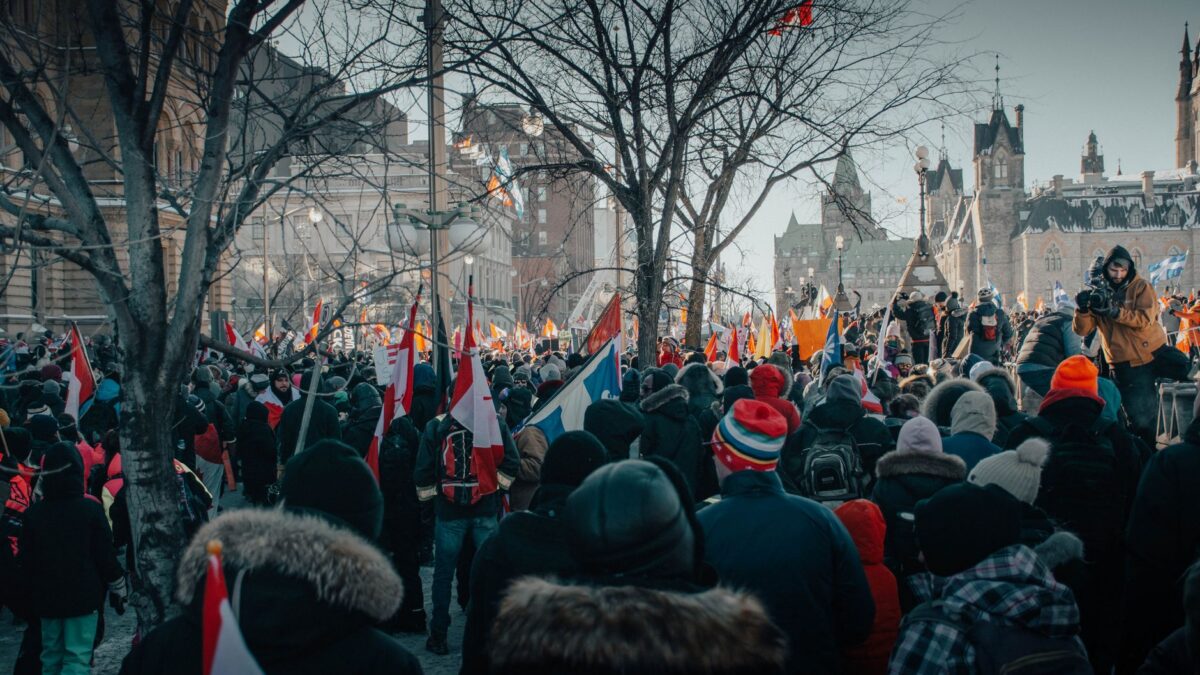
Spain’s main unions held a general strike on Nov. 11 under the slogan Salaries, housing, prices. According to El País English, turnout was uneven, and in Barcelona a protest ended in looting by hooded groups, who also threw pyrotechnic devices at the Mossos d’Esquadra (Catalonia’s police) near Plaça de Catalunya.
The stoppage fell 18 days before the snap general election on Nov. 29. UGT general secretary Pepe Álvarez said that whichever party takes power will have to reach an understanding with the unions.
Looting, pickets and arrests in Barcelona
Pickets blocked access to Barcelona and caused restrictions on the AP-7, the A-2 and the Ronda Litoral, El País reported. In the city, the protest turned into looting later in the day. Clashes were also recorded in Madrid, where police charged protesters.
The Interior Ministry counted more than 1,500 incidents involving pickets and demonstrators during the day. More than 50 people were arrested at pickets, and the total rose to almost 70 after the later disturbances.
The two main unions, CC OO and UGT, called the police response excessive, citing the use of pepper spray in some cases, and said they would study possible legal action. The employer associations CEOE and Cepyme condemned the vandalism and demanded respect for the right to work of people who wanted to go to their jobs.
Trains and flights cut, shops mostly open
Renfe, the state railway company, reported 6.83% participation among its night and morning shift workers. Even so, 24% of high-speed and long-distance commercial services were cancelled, along with 10.17% of scheduled Cercanías, Rodalies (Catalonia’s commuter rail), Avant and medium-distance services.
At airports, the operator Aena recorded 234 cancellations out of 4,529 scheduled flights until 10.00 am, or 5.16% of the total.
Retail was largely untouched. Supermarkets and major chains stayed open, though with staffing and schedule changes. The unions put participation at 60.8%, while employers said small shops operated practically normally. Heavy rain and the effects of Storm Charles, along with widespread remote work, meant the strike was more visible on streets and at logistics hubs than inside workplaces.
Where turnout was highest
The unions pointed to high turnout in industry, automotive, logistics, energy and port facilities. Public administrations, health, education and much of the services sector saw a more limited impact. By region, the unions gave a range from 41% in places such as Castilla-La Mancha and Extremadura to more than 80% in Catalonia and Andalusia.
In Madrid, the Government Delegation estimated more than 120,000 people at the 6.00 pm march, while the organizers gave a range of 600,000 to 750,000. The march ran from Atocha station along Gran Vía to Plaza de España.
What this means for Catalonia
For people in Barcelona, the day’s effects were concentrated on roads into the city, Rodalies and other rail services, and flights at the airport. Notice periods and minimum service obligations for such stoppages are explained in our guide to strike rules and minimum services.
It was the first general strike called by the unions in 14 years, and El País described it as unorthodox because it did not answer a specific law. It grew out of anger over the eviction of Maricarmen Abascal, 87, who died on Oct. 7, two weeks after being forced to leave her home. A group called the Tenants’ Union (Sindicato de Inquilinas) made the first call for a nationwide strike. CC OO leader Unai Sordo said a train accident had brought “a certain shift in the country’s mood.”
The People’s Party (PP), which leads voting intention polls, had called the strike a “preventive electoral strike” against it. The unions said they would study legal action over the police response.
Source: El País English