Mossos Warn Catalan Schools About ‘Curi’ Accounts Mocking Students
The Mossos asked high schools to watch 'curi' accounts that mock students and teachers on TikTok and Instagram. What they are and how schools respond.
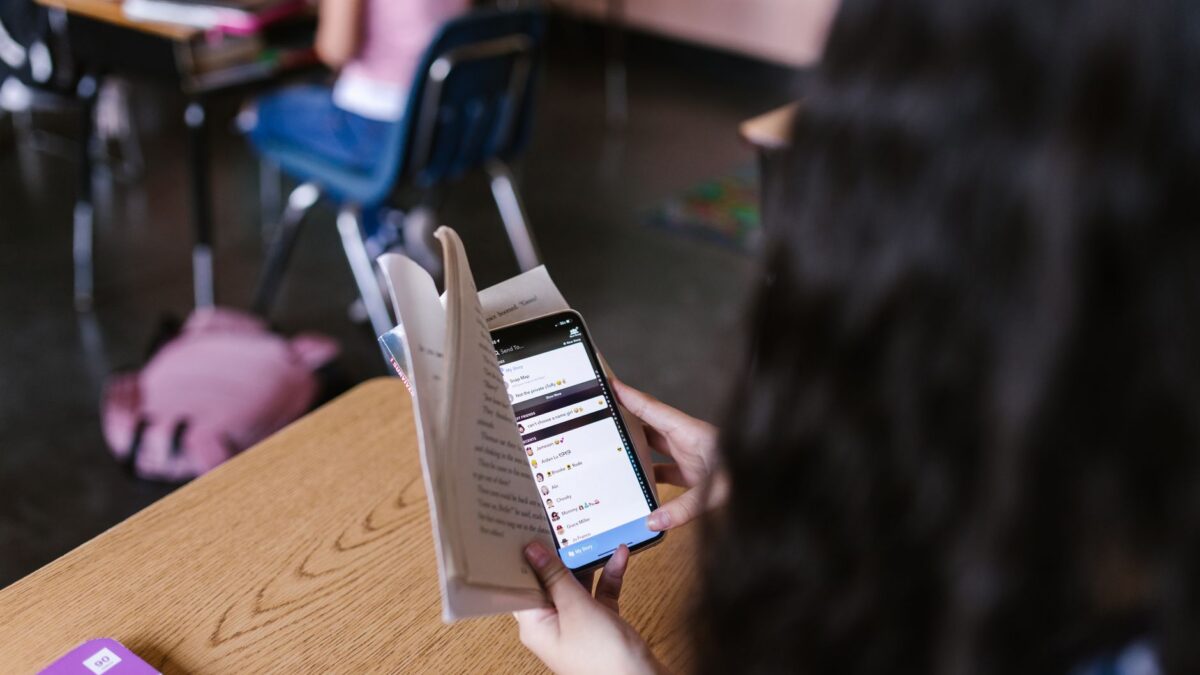
The Mossos d’Esquadra (Catalonia’s police) have asked some Catalan high schools to keep an eye on “curi” profiles, social media accounts that post memes and videos about students, teachers and staff at a specific school. According to the newspaper Ara, the police sent the schools a written warning a few weeks ago, along with guidance on what to do if cyberbullying turns up.
Teachers and school managers at public and charter high schools told Ara they have already found such accounts at their own centers. So far most of what they have seen looks like silliness, they said, though they admit the profiles are hard to get into and judge.
What a curi account looks like
Elia López, a professor at the University of Barcelona’s (UB) Faculty of Education, told Ara that these accounts usually appear on TikTok or Instagram. They post drawings, caricatures, memes or short videos about members of a school community. Characters from films, cartoons or video games stand in for real people, but the followers, usually pupils at the same school, know exactly who each post is about.
The account name tends to join the word “curi” with the name of the school, teachers told the paper. López said the trend is spreading in schools across Catalonia and the rest of Spain, mostly among secondary pupils, and can also reach the last years of primary school. Posts that ridicule a classmate or cartoons of a teacher paired with offensive comments are the kind of content she said can lead to bullying.
A director of a public high school in Tarragona told Ara that the little staff have managed to see were videos filmed while a teacher had their back turned, with people laughing. The director said the content is very hard to track and asked parents to report such posts when they find them.
Why it matters for families and teachers
The police compare curi profiles with the “informers,” anonymous Facebook groups that circulated in Catalan high schools over a decade ago, before Instagram and TikTok. Today’s platforms let posts spread much further, and the Mossos describe the potential reach and impact as “considerably higher.”
The risks listed in the police warning include:
- rumors spreading and students or teachers being exposed in public
- images posted without consent
- harassment and cyberbullying, including discriminatory comments
- clashes between groups of students
- identity theft and the sharing of personal data
In the same message, the police said pupils often see the posts as a joke at first, while anonymity makes it easier to publish material that causes emotional harm or real conflict inside the school. The Mossos told schools that experience points to prevention: teaching digital coexistence and responsible social media use, and spotting signs of harassment early.
How the police want schools to respond
The guidance sorts cases into three levels. Where the posts are only jokes or gossip, schools are asked to follow how the account develops, tell the management team about possible risks, raise the subject in internet safety talks and encourage pupils to report harmful posts early.
Once insults, humiliation or rumors appear, staff should take screenshots, start the school’s internal coexistence protocol, assess whether cyberbullying is happening and work with families and guardians.
If an account publishes personal data, threats or content that may be a crime, the case goes to the police for assessment, digital evidence is preserved, and legal proceedings may follow depending on what was posted.
One school’s approach in Vic
Vedruna Escorial in Vic knows of curi accounts tied to its pupils but has not found worrying cases. Pol del Pozo, who teaches a primary class there, told Ara the staff have the accounts “controlled” and are watching them so they do not turn into a problem.
This school year, teachers at Vedruna Escorial are training in media literacy, digital safety, algorithms and critical thinking about social media. Next year the same teachers are due to pass that training on to pupils, starting in primary school at age 6. Del Pozo said the aim is to teach children early how to move safely online, rather than to train staff to hunt for accounts.
Source: Ara