Montserrat Day Trip From Barcelona: Train, Cable Car and Sights
Take an FGC train from Plaça Espanya, then ride the rack railway or cable car up Montserrat. Times, tickets and what to see at the abbey.
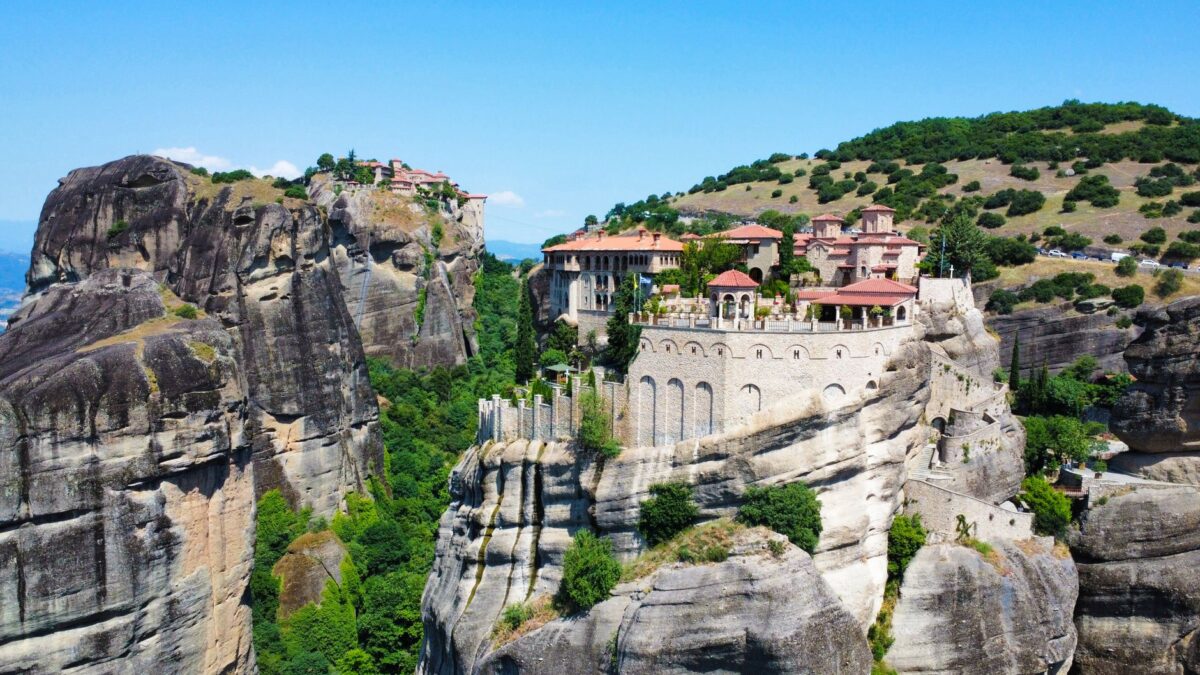
Montserrat is a mountain and Benedictine abbey northwest of Barcelona that you can reach in a day by train. FGC trains leave from Plaça Espanya, and from the valley you climb to the monastery either on the rack railway (the cremallera) or by cable car. This guide covers the connections, the two ways up and what the abbey has to see.
What is Montserrat and why do people go?
According to Wikipedia’s entry on Santa Maria de Montserrat Abbey, the monastery was founded in 1025 and rebuilt between the 19th and 20th centuries. It is a working abbey of the Order of Saint Benedict, with a community of around 70 monks (the same page elsewhere says about 80). It holds the image of the Virgin of Montserrat, the patron saint of Catalonia.
The name means “serrated mountain.” The abbey lies 48 kilometres northwest of Barcelona, in Monistrol de Montserrat. Visitors come for the sanctuary and for the mountain itself, which Wikipedia describes as Catalonia’s most important religious retreat.
How do I get from Barcelona to Montserrat?
Take an FGC (Ferrocarrils de la Generalitat, Catalonia’s regional railway) train from Barcelona-Plaça Espanya station. According to the Montserrat visitor site’s page on the cremallera and train, these trains leave every hour from 08.26 a.m. The R5 line (Barcelona to Manresa) connects with both the cable car and the rack railway stations.
From there you have two ways up. Pick the rack railway for the longer ride with views, or the cable car for speed. Check the current timetable on the official pages before you travel, since the sources give only the first departure.
The Barcelona side of the trip is described in more detail in our guide to day trips from Barcelona by train and bus.
How does the rack railway work?
The cremallera is a public transport service that climbs more than 600 metres up the mountain. It runs from the FGC station in Monistrol de Montserrat to the monastery, a distance of 5 kilometres, and the journey takes 15 minutes.
Departures from Monistrol Vila are every 20 minutes. The station has a free car park with 900 spaces for cars and coaches, which matters if you drive to the valley instead of taking the train.
How does the cable car work?
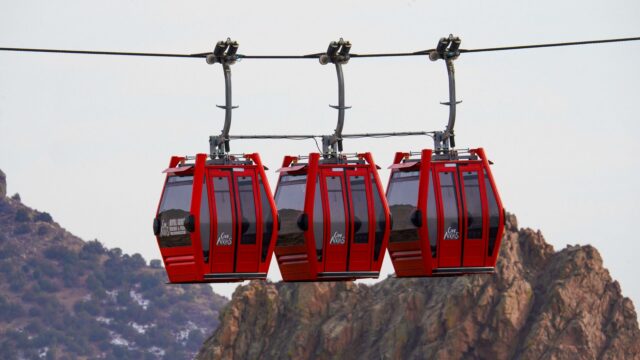
The cable car, called the Aeri, entered service in 1930 and is the quickest way to the sanctuary. It travels at an average speed of 5 metres per second and covers 1,350 metres in 5 minutes, climbing gradients of up to 45%.
Cars depart every 15 minutes. On the way up, passengers get views of the landscape and can see part of the Monumental Rosary. Free parking is available at the cable car station for people arriving by car.
The same R5 line and FGC trains serve this station. Montjuïc has its own lift system in the city, covered in our guide to the Montjuïc cable car and funicular.
Are there combined tickets?
Yes. FGC’s page on combined and tourist tickets says its tourist services have specific tickets that include the round trip and combined experiences such as TransMontserrat or Tot Montserrat. Separate tickets exist for the Montserrat rack railway and the funiculars.
The sources give no prices. Check fares and options on the FGC and Turistren sites before you go.
What is there to see at the abbey?
The basilica is the main stop. Construction began in the 16th century, and a full reconstruction started in 1811 after the building was destroyed in the Peninsular War. In 1881 Pope Leo XIII gave it the status of minor basilica. The facade dates from 1901, and after the Spanish Civil War a new facade was built between 1942 and 1968.
The church has a single nave 68.32 metres long, 21.50 metres wide and 33.33 metres high. Above the main altar is the room of the Virgin, reached through the alabaster portal known as the Porta Angèlica. The basilica also houses a museum with works by many painters.
The Escolania, the Montserrat boys’ choir, is one of the oldest in Europe and sings during religious ceremonies in the basilica. The abbey’s publishing house, Publicacions de l’Abadia de Montserrat, published its first book in 1499 and is one of the oldest presses in the world still running, according to Wikipedia.
For a comparison with churches in the city, see our list of Romanesque and Gothic churches in Barcelona.
Can I go higher on the mountain?
The abbey stands 1,236 metres above the valley floor, and Montserrat is the highest point of the Catalan lowlands. Two funiculars start near the monastery: one goes down to Santa Cova, a shrine and chapel lower on the mountain, and the other goes to the upper slopes.
Sant Jeroni, the highest point of Montserrat, is reached by footpaths from the monastery. On a clear day you can see almost all of Catalonia from the top, and sometimes the island of Mallorca. Groups of young people from Barcelona and elsewhere in Catalonia often hike overnight to watch the sunrise from the heights.
Quick answers
How long is the ride up?
The rack railway takes 15 minutes and the cable car 5 minutes, according to the visitor site.
Which line connects to the mountain?
The R5 line (Barcelona to Manresa) links with the cable car and rack railway stations. FGC trains also leave Plaça Espanya every hour from 08.26 a.m.
Can I drive instead?
Both the rack railway station and the cable car station have free parking. The rack railway car park has 900 spaces for cars and coaches. Wikipedia also says Montserrat can be reached by road.
Checked against official sources in November 2026. Hours, prices and rules change: confirm on the official page before you go or apply.