Romanesque and Gothic Churches in Barcelona: 5 Places to Visit
Barcelona's Gothic Cathedral, Santa Maria del Mar and the Romanesque Sant Pau del Camp, plus two more old churches, with hours, tickets and visiting tips.
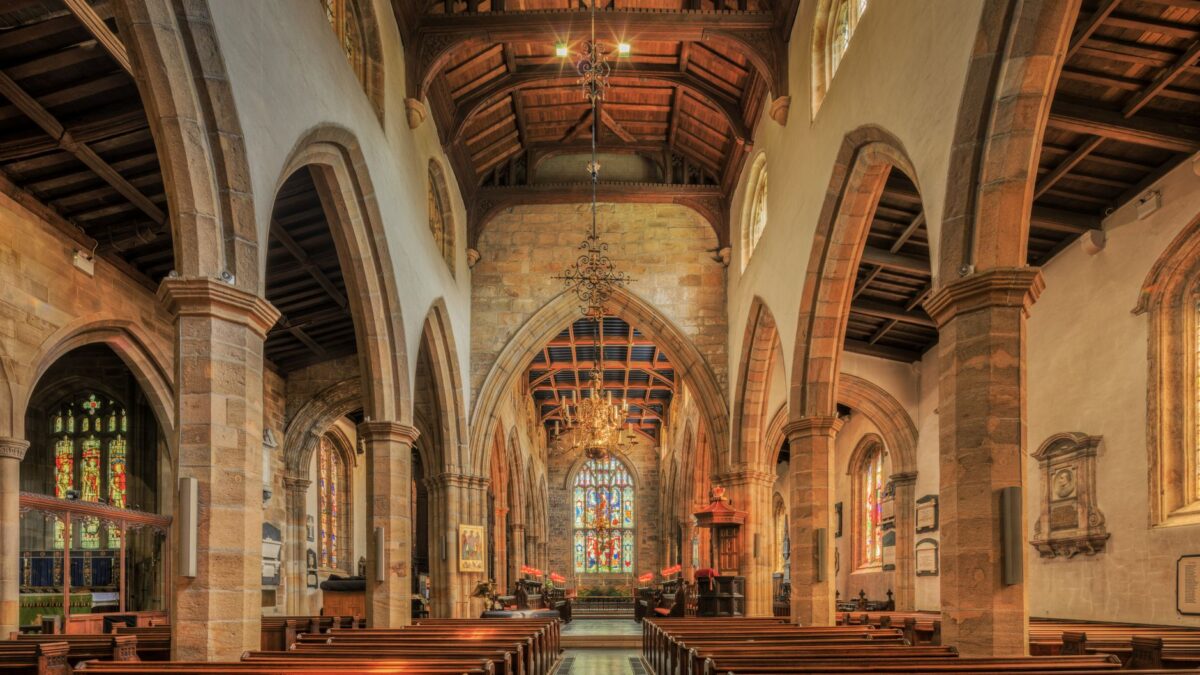
Barcelona’s best-known medieval churches are the Gothic Cathedral in the Barri Gòtic, the Basílica de Santa Maria del Mar in La Ribera and the Romanesque monastery of Sant Pau del Camp in El Raval. Two more, Santa Maria del Pi and Sant Pere de les Puel·les, sit a short walk away in Ciutat Vella (the old town district), so all five fit into a day or two on foot.
The Cathedral and Santa Maria del Mar sell tickets for full visits that include rooftops. Sant Pau del Camp is easiest to see from the public garden that surrounds it.
Catedral de Barcelona, Barri Gòtic
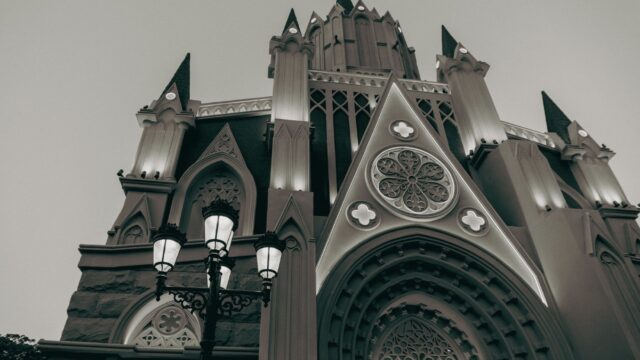
The full name is the Catedral de la Santa Creu i Santa Eulàlia (Cathedral of the Holy Cross and Saint Eulalia). According to Barcelona City Council’s page on the cathedral, King Jaume II decided in the 13th century to build it over the remains of an earlier Romanesque church. Construction was paid for by the city’s fraternities and guilds and lasted more than 150 years, with services held throughout. The Neo-Gothic main facade is 70 m high.
Inside there are 29 chapels, the crypt of Santa Eulàlia, more than 215 carved keystones in the rib vaults and a Gothic stained glass window above the high altar. Look closely at the choir stalls for a carved hockey game. Up on the roof, 200 gargoyles include a bull, a unicorn and an elephant. The cathedral has 21 bells, all with women’s names. One of them, Honorata, was melted down by Philip V in 1714 during the War of Succession after it rang to call citizens to revolt.
The cloister garden keeps thirteen white geese, one for each year of Santa Eulàlia’s life. Its fountain is where the ou com balla (the “dancing egg”) bobs on the water at Corpus Christi. Every year on 3 May, the feast of Santa Creu, the city is blessed from the cathedral terraces at 9 am. The 37th edition of the cathedral’s organ concert series runs from Oct. 21, 2026 to May 19, 2027.
Address: Pla Seu, 3. Hours: the city listing gives 09.30 to 18.30 every day; on Saturdays and the eves of religious holidays the visit runs 09.30 to 17.15, and on Sundays and religious holidays (except Dec. 25) 14.00 to 17.00. Tickets: the listing shows both free entry and a paid general ticket of 14 euros, or 8 euros for groups, so check the cathedral’s own site for which hours are free. Phone: 933428260.
Basílica de Santa Maria del Mar, La Ribera
Santa Maria del Mar stands on Plaça de Santa Maria in the Sant Pere, Santa Caterina i la Ribera neighborhood. The city’s Agenda 500 listing for Santa Maria del Mar describes a cultural visit that covers the interior, the towers, several rooftop levels, a small museum in the tribunes and the crypt. The roof is 35 metres above the ground, and the parish says ticket income goes toward restoring and preserving the building.
Guided tours in Catalan, Spanish and English run from Thursday to Sunday. They last between 1h and 1h 15 minutes. Groups meet 5 minutes before the start in front of the Born door on Passeig del Born, even when other doors are open.
Address: Plaça de Santa Maria, 1. Hours: Monday to Saturday 10.00 to 18.00, Sunday 13.00 to 18.00; guided tour times vary. Tickets: cultural visit 8 euros, children under 12 pay 4 euros and under 3s go free (both with an adult). The full guided tour costs 17.41 euros for adults and 15.36 euros for visitors over 65, and is free for under 10s. Contact: [email protected] for private and school visits.
Sant Pau del Camp, El Raval
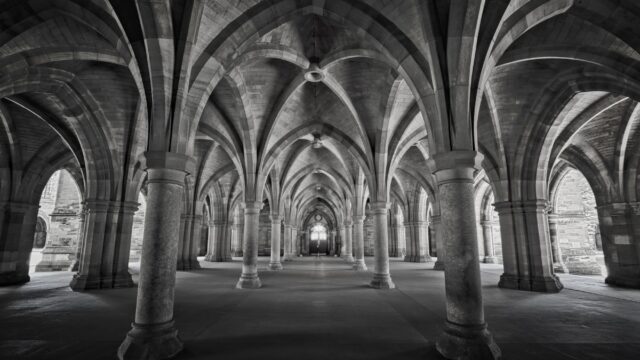
Sant Pau del Camp is a Romanesque monastery in El Raval. The building sits at street level, and the Jardins de Sant Pau del Camp (the public garden around it) are laid out on a small grassy hill, so you can look at the church from above. Curved paths cut between the lawns and have stone benches along the walls. Do not confuse it with Sant Pau Recinte Modernista, the former hospital complex in another part of the city.
Address: Carrer de Sant Pau, 99. Garden hours: from Nov. 1 to March 31, daily from 09.00 to about 19.00 (the gates close at dusk); from April 1 to Oct. 31, 09.00 to 21.00. Phone: 010 (city information line). Visiting hours for the monastery church itself are not on the garden listing, so check them before you go.
Santa Maria del Pi, Barri Gòtic
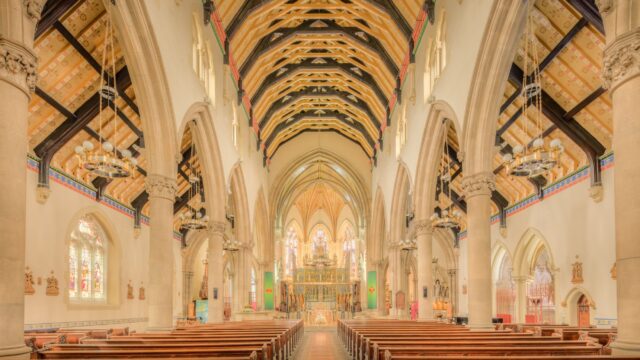
This 15th-century church on Plaça del Pi is built in the Catalan Gothic style: a single nave with very little decoration. According to Wikipedia’s entry on Santa Maria del Pi, it opened on 17 June 1453. The nave is 54 metres long and 16.5 metres wide. The octagonal bell tower, built between 1460 and 1497, also rises to 54 metres, and its largest bell, Antònia, weighs 1,806 kilograms.
Anarchists set fire to the church in 1936 and destroyed the altarpiece, statues and organ. The large rose window on the front facade is a 1940 reproduction of the original lost in that fire. A city listing mentions a cultural visit to the basilica; check its official page for current hours and prices.
Sant Pere de les Puel·les, Sant Pere
Sant Pere de les Puel·les is a Benedictine monastery in the same Sant Pere, Santa Caterina i la Ribera neighborhood as Santa Maria del Mar. Wikipedia’s entry on Sant Pere de les Puel·les says Count Sunyer I and his wife Richilda of Toulouse founded it as a nunnery, and the church was consecrated on 16 June 945. Troops of Almanzor attacked it in 985, and a larger church was consecrated in 1147.
The building mixes Romanesque and Gothic work and was declared a Bien de Interés Cultural (a protected heritage landmark) in 1931. Fires in 1909 and during the Civil War destroyed much of it, so little of the original remains. Opening times are not listed here; ask locally or check before visiting.
Tips for visiting
- Santa Maria del Mar’s rooftop visit involves stairs, is not adapted for people with reduced mobility and is not recommended for anyone with serious mobility or breathing problems.
- That rooftop visit is not suitable for children under 6, under 14s must come with a responsible adult, and it is cancelled in heavy rain.
- Wear comfortable shoes, and expect visits to change around services at any of these churches.
- The Cathedral, Santa Maria del Pi and Santa Maria del Mar are within walking distance of each other in Ciutat Vella. Sant Pau del Camp is in El Raval.
Families with younger children may find more hands-on stops in our list of things to do in Barcelona with kids, and the hill covered in our Montjuïc guide is a short trip from El Raval.
Quick answers
Is Barcelona Cathedral free to enter?
The city listing shows both free entry and a 14-euro general ticket for the cathedral. Check the cathedral’s official site to see which times are free and what the paid visit includes.
Can you go on the roof of Santa Maria del Mar?
Yes. The cultural visit includes the towers and rooftop levels, 35 metres above the ground, but it is not suitable for children under 6 and does not run in heavy rain.
Which of these churches is Romanesque?
Sant Pau del Camp is a Romanesque monastery. Sant Pere de les Puel·les mixes Romanesque and Gothic parts, and the Cathedral was built over the remains of a Romanesque church.
Checked against official sources in November 2026. Hours, prices and rules change: confirm on the official page before you go or apply.