Day Trips From Barcelona by Train and Bus: Times and Tickets
Montserrat, Sitges, Girona, Figueres, Tarragona, Vic, Cardona and the Costa Brava without a car: which train or bus to take, how long it takes and which tickets work.
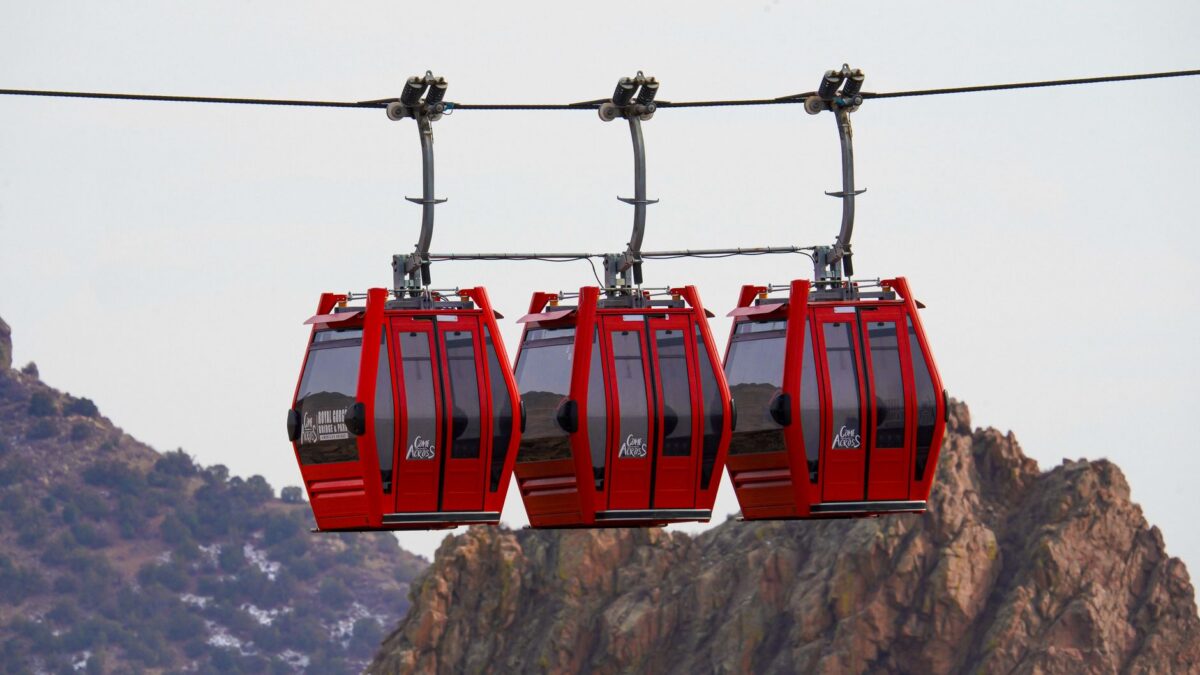
The easiest day trips from Barcelona by public transport are Sitges (about 40 minutes by Rodalies train), Girona (about 40 minutes by high-speed train), Montserrat (about 90 minutes by FGC train plus rack railway or cable car) and Tarragona (just over an hour by regional train). Figueres, Vic, Cardona and the Costa Brava towns take longer but still work as a day out.
Which day trips can you do by train or bus?
All the places below can be reached without a car. Journey times are typical one-way times from central Barcelona as of November 2026 and vary by service; check the operator’s timetable on the day.
| Destination | How to get there | Typical time one way | Main reason to go |
|---|---|---|---|
| Montserrat | FGC R5 from Plaça Espanya, then rack railway (cremallera) or cable car (Aeri) | About 90 minutes in total | Mountain monastery, basilica, hiking trails |
| Sitges | Rodalies R2 Sud from Sants, Passeig de Gràcia or Estació de França | About 35 to 45 minutes | Beaches, old town, seafront walk |
| Girona | High-speed AVE or Avant from Sants; or regional R11 | About 40 minutes high-speed; about 1 hour 20 minutes regional | Old town, cathedral, city walls, river houses |
| Figueres | High-speed train to Figueres-Vilafant; or regional R11 to Figueres town station | About 1 hour high-speed; about 2 hours regional | Dalí Theatre-Museum |
| Tarragona | Regional R14, R15 or R16 from Sants or Passeig de Gràcia | About 1 hour to 1 hour 20 minutes | Roman ruins (UNESCO World Heritage), amphitheater by the sea |
| Vic | Rodalies R3, with a replacement bus section during works | About 1 hour 30 minutes or more | Plaça Major, Tuesday and Saturday market |
| Cardona | Coach from Barcelona Nord bus station | About 1 hour 45 minutes | Hilltop castle, Salt Mountain mine |
| Costa Brava towns | Coach from Barcelona Nord; some towns by train to Girona then bus | About 1 hour 30 minutes to 2 hours 30 minutes | Coves, coastal paths, old fishing villages |
How do you get to Montserrat from Barcelona?
Take the FGC R5 train (towards Manresa) from Plaça Espanya. For the rack railway, get off at Monistrol de Montserrat; the climb to the monastery takes about 15 minutes. For the cable car, get off one stop earlier at Montserrat-Aeri. The rack railway operator puts the whole trip at about 90 minutes.
As of November 2026, the Aeri charges €10 one way and €15 return for adults. Integrated ATM tickets cover the R5 train within their zones but not the rack railway, cable car or funiculars. Combined tickets that include the train, the climb and other extras, such as Trans Montserrat and Tot Montserrat, are sold at the FGC office at Plaça Espanya; compare their current prices with buying separately, since the extras only pay off if you use them. In November, daylight is short: aim to be on the mountain by late morning.
Which trips work with a Rodalies ticket or pass?
Sitges (R2 Sud) and Vic (R3) are on Rodalies commuter lines. You can use a multi-zone integrated ATM ticket, a Renfe Rodalies ticket, or Renfe’s €20 monthly Rodalies pass, which gives unlimited Rodalies travel for a month as of November 2026. Our Rodalies guide explains the passes, the T-mobilitat card and delay refunds, and our Barcelona transport passes guide lists integrated fares by zone.
Before going to Vic, check the works on the R3. Reports in June 2026 said that trains between Mollet-Santa Rosa and La Garriga would be replaced by buses until the end of 2026, which adds time. The Garraf tunnel works that cut the R2 Sud toward Sitges earlier in 2026 were reported as finished in June. Current disruptions are listed on rodalies.gencat.cat.
Girona, Figueres and Tarragona are served by regional lines (R11, R14, R15, R16), which have their own fares and are not covered by the €20 Rodalies pass. Discounted monthly passes exist for these lines too, but for a single day trip you will normally buy a return ticket.
How do the high-speed trains to Girona and Figueres work?
High-speed trains from Barcelona Sants cut the trip to Girona to about 40 minutes and to Figueres-Vilafant to about an hour. Two types run on the line, both sold on renfe.com:
- Avant: medium-distance high-speed trains with lower, fixed-route fares and frequent commuter use.
- AVE and other long-distance trains on the line to Figueres and France, which also stop at Girona; fares vary with demand and booking date.
Figueres-Vilafant station is outside the town center, so allow time to walk or take a local bus to the Dalí Theatre-Museum. The regional R11 is slower but arrives at Figueres’ central station. Fares on all these routes change with the train and the date, so compare options on Renfe’s site before you go. Our comparison of high-speed trains from Barcelona explains how the operators and fare types differ.
What should you know about the Dalí Theatre-Museum in Figueres?
From October to December, the museum opens Tuesday to Sunday, 10:30 to 18:00, with last entry 45 minutes before closing, according to the Fundació Gala-Salvador Dalí. It is normally closed on Mondays, with exceptional openings on some Mondays, including November 9 and December 7, 2026. It is closed on December 25 and closes at 15:00 on December 24. General adult tickets start at €18.50 as of November 2026, and the foundation asks visitors to buy online.
How do you plan a day trip in November?
- Check the timetable for both directions the day before, including the last return train or bus.
- Look at rodalies.gencat.cat or the operator’s app on the morning of the trip for works and replacement buses.
- Buy timed tickets, such as the Dalí museum, online in advance.
- Remember that the sun sets before 17:45 in Barcelona in November, so plan walks and viewpoints for the morning or early afternoon.
- Check opening days: many smaller museums and sights close on Mondays, and coastal towns are quieter, with fewer coach services, outside summer.
Bottom line
For a first trip without stress, pick Sitges or Girona: both have frequent trains and a compact center you can see in half a day. Leave Vic until the R3 works are finished, and do Cardona or the Costa Brava on a weekday when coach timetables are fuller, checking the return times before you set out.
FAQ
Can I use my T-usual for day trips?
Only within the zones your T-usual covers. Sitges and Vic are outside zone 1, so a zone 1 T-usual does not cover them; the T-jove covers every zone of the integrated system. High-speed and regional trains need their own tickets.
Is Montserrat worth it without hiking?
Yes. The monastery, basilica and viewpoints are next to the rack railway and cable car stations, and funiculars take you higher without walking.
Do I need to book trains in advance?
Not for Rodalies or regional trains, which you can buy on the day. For AVE and other long-distance trains, booking early usually gets a lower fare.
Which day trip is best on a Sunday?
Sitges and Girona have regular Sunday trains. Check museum opening days, and avoid Figueres on a Monday unless it is one of the museum’s exceptional opening dates.