Who Pays for Repairs in a Spanish Rental: Landlord or Tenant?
The tenancy law splits repair costs between landlord and tenant. Here is where the line falls for boilers, leaks and appliances, and how to act when the landlord does nothing.
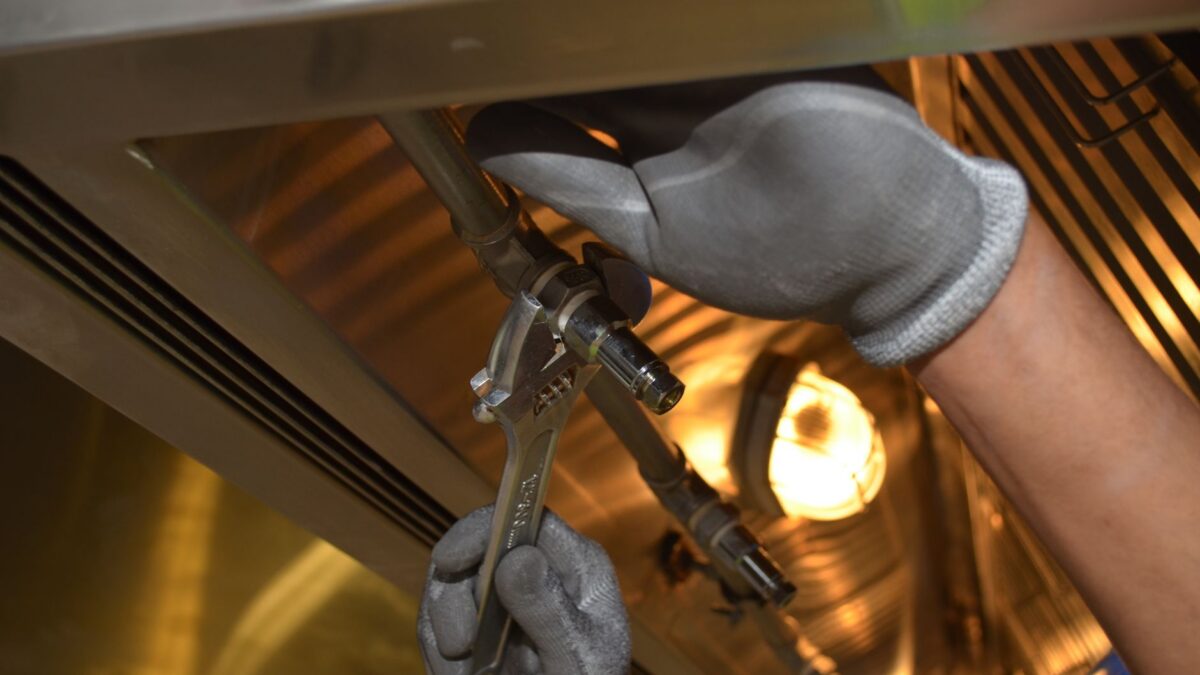
In a Spanish home rental, the landlord must pay for every repair needed to keep the home habitable for its agreed use, under article 21 of the tenancy law (LAU), without raising the rent. The tenant pays only small repairs caused by ordinary everyday wear, and any damage they cause. Urgent repairs can be done by the tenant and charged to the landlord straight away.
What does the landlord have to repair?
Article 21 of the Ley de Arrendamientos Urbanos (LAU, Spain’s urban tenancy law) obliges the landlord to carry out all repairs needed to keep the home in a habitable condition. Two exceptions apply: damage the tenant caused, and destruction of the home for reasons the landlord is not responsible for. In practice this usually covers structural problems, leaks from pipes inside walls, damp caused by the building, electrical installations, and broken items that came with the flat when they fail through age rather than misuse.
The landlord cannot raise the rent because of these repairs. If the work cannot reasonably wait until the lease ends, the tenant must allow it, even if it is a nuisance. When it lasts more than 20 days, the rent goes down in proportion to the part of the home you cannot use.
What does the tenant pay?
Article 21.4 puts on the tenant the “small repairs” (pequeñas reparaciones) that come from ordinary use. The law gives no list or amount, so the line is drawn case by case. Typical examples are replacing light bulbs, unblocking a sink, a dripping tap washer or a loose handle. Damage you or your guests cause is also yours to pay, whatever its size.
| Problem | Usually paid by | Why |
|---|---|---|
| Boiler breaks down from age | Landlord | Needed for habitability |
| Annual boiler service | Check your contract | The LAU does not mention it, so the contract decides |
| Fridge or washing machine supplied with the flat fails | Landlord, unless misuse | Part of what was rented |
| Blocked drain from normal use | Tenant | Small repair from everyday use |
| Leak from a pipe in the wall | Landlord | Building installation |
| Window you broke | Tenant | Damage you caused |
A contract cannot remove the landlord’s legal duty for a standard home lease, because the LAU rules protecting tenants on that point are mandatory. Read the clauses anyway, as they often detail who books routine maintenance.
How do you ask for a repair?
The law says the tenant must tell the landlord about needed repairs as soon as possible and let the landlord or their technician inspect. Do it in writing so there is a dated record:
- Photograph or film the problem, with the date visible if possible.
- Send a written message to the landlord or the managing agency: email works for the record, a burofax (certified letter service from Correos) gives stronger proof.
- Describe the fault, when it started and how it affects living in the flat.
- Offer dates for access, and keep all replies.
Since 8 October 2026, a new paragraph 21.5 added by Real Decreto-ley 29/2026 lets you attach a reasonable quote for the work. The landlord then has 15 calendar days to accept it, propose another repair or do the job. If there is no answer, or an unjustified refusal, you can have the work done and deduct the documented cost from future rent. A decree-law must be confirmed by Congress, and an earlier version of the same rule (Real Decreto-ley 26/2026) was voted down in October 2026, so check the current text on the BOE before relying on it.
What counts as an urgent repair?
Article 21.3 lets the tenant carry out urgent repairs to prevent imminent damage or serious discomfort, after telling the landlord, and claim the cost immediately. A burst pipe flooding the flat, no heating in winter, a dangerous electrical fault or a front door that will not lock are typical cases. Keep the invoice and photos of the damage before and after, because you will need them if the landlord disputes the bill.
What if the landlord refuses?
- Insist in writing, quoting article 21 of the LAU and the date of your first notice.
- Use the 15-day procedure in article 21.5 while it is in force, with a quote attached.
- End the lease: article 27.3 allows the tenant to terminate the contract if the landlord fails to make the repairs required by article 21.
- Get advice: Barcelona’s housing offices and tenant services can explain your options, and our guide to consumer complaints in Catalonia covers mediation when the landlord is a company or agency.
- Go to court for repayment or compliance. For complex cases, talk to a lawyer.
Do not simply stop paying rent. Non-payment allows the landlord to end the lease, and holding back rent is not the same as the documented deduction the law allows after the 15-day procedure.
Are temporary and room rentals different?
For temporary home rentals, the new article 21 bis (also from Real Decreto-ley 29/2026) puts all upkeep on the landlord, including small repairs from ordinary wear. The landlord must answer within five working days; otherwise you can repair and claim the cost or deduct it from the next month’s rent. The rules on what counts as a temporary or seasonal lease are explained in our guide to seasonal and room rentals in Catalonia.
Bottom line
Write to the landlord the day a problem appears, with photos, because every later step depends on proving when they knew. For non-urgent faults, get a written quote from a tradesperson before you call the landlord, so you can use the 15-day rule if it still applies.
FAQ
Can the landlord deduct repairs from my deposit?
Only for damage beyond normal wear that you caused. Our guide to the rental deposit in Barcelona explains the end-of-lease inspection.
Who pays for pest control?
If pests come from the building or were there before you moved in, it is a habitability problem for the landlord. If they result from how the flat is used, the cost may fall on you.
Can I make improvements myself?
Not works that change the layout of the home without the landlord’s written consent, under article 23 of the LAU.