Girona Day Trip From Barcelona: Train, Old Town and Jewish Quarter
Girona is 99 km from Barcelona on the Rodalies R11 line. See how the trains and tickets work, plus the old town, city walls and Jewish quarter.
Girona sits 99 km northeast of Barcelona, and the Rodalies R11 regional train runs between the two cities with 23 trips a day on an average weekday in each direction. People go for the well-preserved old quarter, a walkable stretch of city walls and the medieval Jewish district known as the Call. This guide covers the train, the tickets, and what to look at once you arrive.
How to get from Barcelona to Girona by train
The Rodalies de Catalunya R11 line (the Catalan regional rail network) links Barcelona with the French town of Cervera de la Marenda, calling at Girona, Figueres and Portbou on the way. Its main Barcelona stations are Barcelona – Sants and Barcelona – Passeig de Gràcia. The line is 170 km long to Portbou and has 28 stations. Halfway along, at Maçanet – Massanes, it meets the R1 and R2 Nord lines.
The R11 runs two kinds of service, medium distance and regional. On the Barcelona – Sants to Girona route, the operator counts 148 trips per week, with 151 in the opposite direction. Trains of the series 470 and 449 currently run on the line. Timetables are not listed on the line page, so check the departure times with Renfe on the day you travel. If you are traveling right after a strike or disruption, see our report on Rodalies cancellations and delays before you set out.
Tickets and fares for the R11
The regional services fare page explains that these tickets work only on the regional network of Rodalies de Catalunya. You can buy at the departure station, either from a self-service machine or at a ticket office, or online at renfe.com and through the Cercanías Renfe app.
- A single ticket is valid for one trip during the two hours after it is issued.
- A return ticket is valid for two hours after validation on each of the two trips, or on the trains named on the ticket. It costs double the single fare and has no discount.
- Barcelona commuter network tickets and integrated ATM system tickets are not valid on Regional Exprés trains or Medium Distance services, and regional tickets do not allow transfers to integrated transport.
Discounts on the base fare apply on all trains, days and routes. Young people up to age 25 with a Carnet Jove get 20% off. Holders of the Golden Card, which costs 6 euros at stations, ticket offices and travel agencies, get 40% off. The card is for people over 60, pensioners over 18 with a declared permanent, total or severe disability, and people with a disability of 33% or more. Large families get 20% off, or 50% for special large families, with an official certificate. Children under 4 travel free if they do not take a seat.
If you are comparing Girona with other options, our guide to day trips from Barcelona by train and bus covers times and tickets for other towns.
A short history of Girona
The Wikipedia entry on Girona says the first known inhabitants were Iberians, and the city was the ancient Gerunda. The Romans built a citadel there, and the Visigoths ruled until the Moors took the city in 715. Charlemagne reconquered it in 785 and made it one of the original counties of Catalonia. Wilfred the Hairy brought it into the County of Barcelona in 878.
The city has been besieged 25 times. The third siege of the Peninsular War ran from May to December 1809, when 35,000 French troops surrounded the city. It held out under Álvarez de Castro until disease and famine forced surrender on Dec. 12.
The old town and the city walls
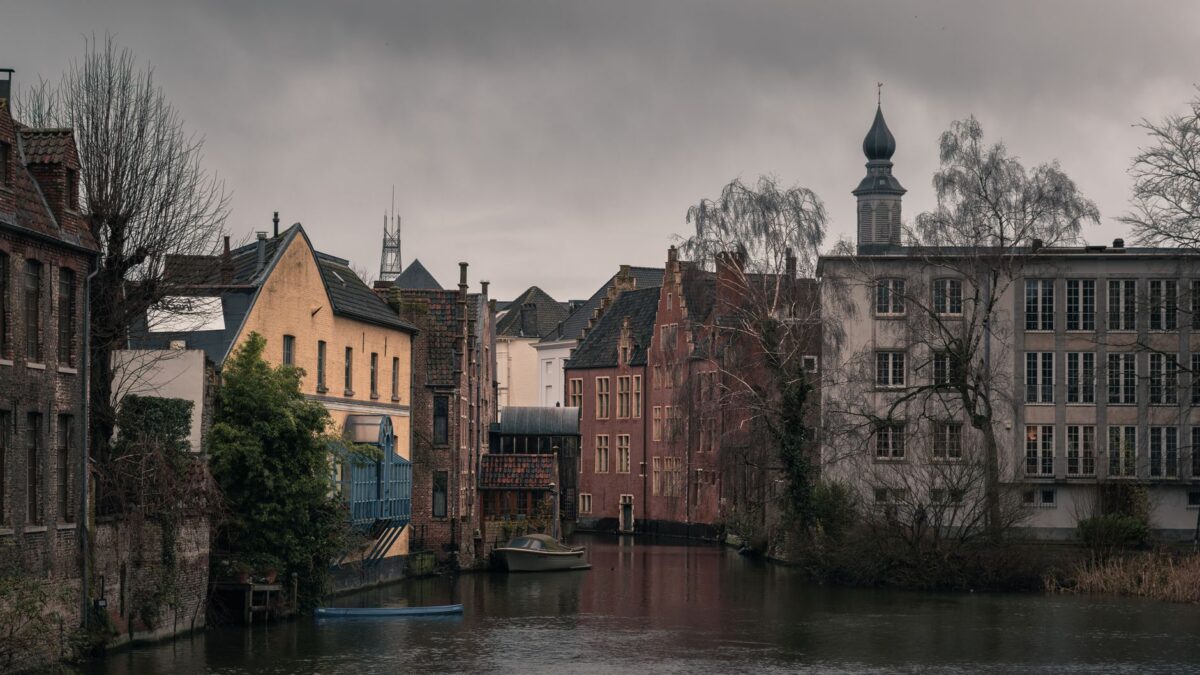
Much of the old quarter has survived, which is why Girona draws visitors. The city sits where the rivers Ter, Onyar, Galligants and Güell meet. The Onyar crosses the city from south to north, and floods have hit the town since historic times.
The defensive walls on the western side were demolished around the turn of the 20th century to make room for the city to grow. The eastern walls stayed in place but were abandoned. Between 1983 and 2003 the missing sections on the eastern side were rebuilt. A walking route along them, the Passeig de la Muralla, is now a popular path around the old city.
The Jewish quarter (Call Jueu)
The earliest documented evidence of a Jewish community in Girona dates to about 885. In the 12th century the community flourished and had one of the most important Kabbalistic schools in Europe. Its rabbi, Moshe ben Nahman Gerondi, better known as Nahmanides or Ramban, was appointed Great Rabbi of Catalonia.
The community centered on the Jewish Call (Call Jueu) and came to an end in 1492, when the Catholic Monarchs outlawed Judaism throughout Spain and Jews had to choose between conversion and exile. For 400 years before that, the Jewish cemetery lay beside the road to France, just north of the old city, between the mountain Montjuïc (the Jewish Mountain in medieval Catalan) and the river Ter.
For other medieval religious sites, you can compare with Romanesque and Gothic churches in Barcelona.
Tips for visiting
- Buy your ticket before boarding at the departure station, or online. Passengers who start at a station without ticket sales can sort out their fare with Renfe inspection staff on the train or at the destination.
- Check the time limit on the ticket. It must be used within two hours of validation.
- Pack for the season. Girona has hot summers and cool winters. Frost is frequent from November to March, with 41.3 days a year, though snow is rare. Autumn and spring are the wettest seasons, and average annual rainfall is slightly above 700 mm.
Quick answers
How far is Girona from Barcelona?
Girona is 99 km northeast of Barcelona, according to the city’s Wikipedia page.
Which train goes to Girona?
The R11 regional line from Barcelona – Sants or Barcelona – Passeig de Gràcia, with 23 trips on an average weekday on the Barcelona – Sants and Girona route.
Can I use my Barcelona metro card on the R11?
Integrated ATM tickets are not valid on Regional Exprés or Medium Distance services, and regional tickets do not allow transfers into integrated transport.
Is there a discount for under-25s?
Yes, 20% off the base fare for holders of a Carnet Jove, on all trains, days and routes.
Checked against official sources in November 2026. Hours, prices and rules change: confirm on the official page before you go or apply.