Barcelona Tourist Flat Licences: The 2028 Phase-Out and Checks
Barcelona's city council intends to let every tourist apartment licence lapse in 2028. Here is the legal basis, what is allowed until then and how to spot an illegal flat.
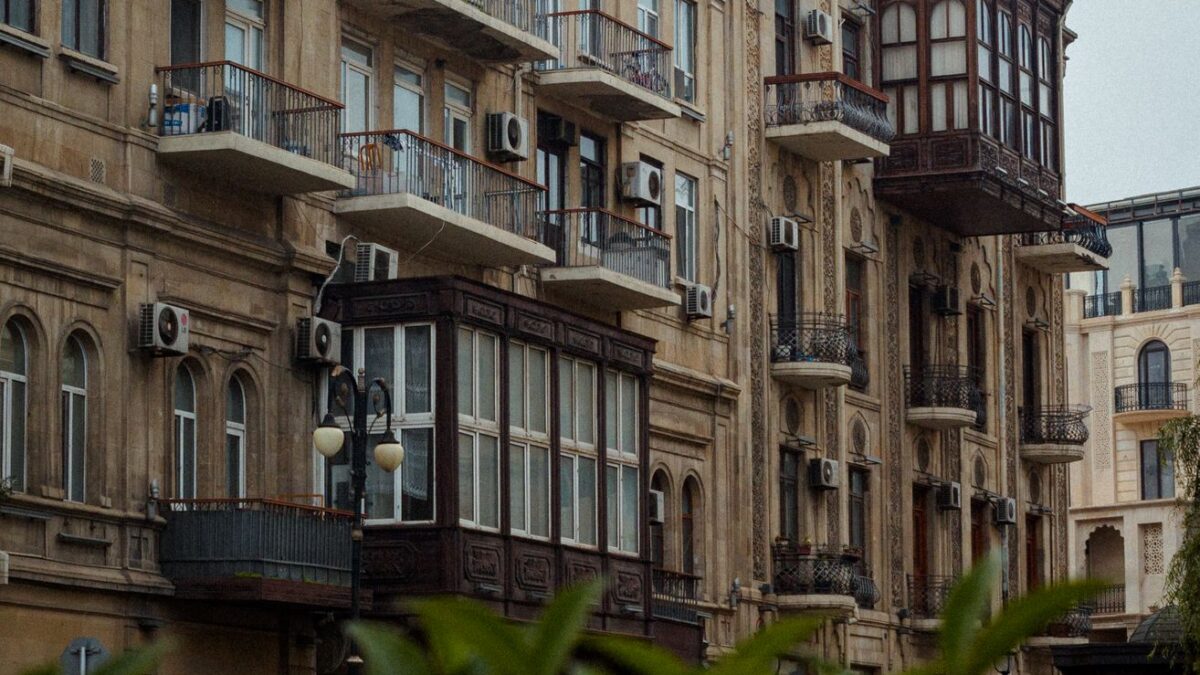
Barcelona has about 10,000 licensed tourist flats, known as HUT (habitatges d’ús turístic), and the city council plans not to renew any of them when they expire in 2028. Until then, licensed flats can operate legally. Any flat rented to tourists without a licence is illegal, and you can check an address on the council’s website.
What is the 2028 plan?
In 2024 the Ajuntament de Barcelona announced that it would stop renewing and granting tourist flat licences, so that all of them disappear by 2028. The council says the change would return around 10,000 homes to the housing market for residents. Its tourism department states that the city “plans not to renew the 10,000 tourist flat licences that will expire in 2028.”
The council has also said that its special urban plan for tourist accommodation, the PEUAT, will not include a category for tourist flats in its revision, which began in 2025. As of November 2026, the 2028 withdrawal is still the official plan on the council’s holiday lets page.
Is the ban legal?
The plan rests on a Catalan law, Decree-Law 3/2023 of 7 November, on the planning rules for tourist flats. It applies to towns declared to have a stressed housing market, including Barcelona. It requires a prior planning licence for tourist use and gives existing registered flats five years before they must obtain one under the new rules, which in Barcelona’s case means 2028.
Members of the Partido Popular in Congress challenged the decree before the Constitutional Court. In ruling 64/2025 of 13 March 2025, published in the official state gazette (BOE) on 11 April 2025, the court rejected the challenge in full. It found that the urgent procedure was justified and that the rules were compatible with property rights and legal certainty. One judge wrote a dissenting opinion on the urgency question.
Whether owners are entitled to compensation is a separate question that legal commentators have raised and the ruling did not settle in full, so further litigation is possible.
What is allowed until 2028?
- Flats with a valid licence and registration number can keep renting to tourists for short stays.
- No new tourist flat licences are being granted in Barcelona.
- The registration number, the NIRTC (Catalan Tourism Register number), must be displayed inside the flat and given to guests when they book, according to the council.
- Since 1 July 2025, short-term and tourist rentals advertised online also need a number from Spain’s single rental register (Registro Único de Arrendamientos), which platforms must display.
Renting rooms in your own home to tourists is regulated separately. Check with the council before doing it.
How do you check if a tourist flat is legal?
- Open the council’s holiday lets page and use the licence lookup.
- Choose the street type, the street name and the building number.
- If the address appears, the building has at least one licensed tourist flat. Compare the flat and door with the listing.
- If the address does not appear, the council says any tourist flat there is illegal.
- Check that the listing shows a registration number, and that the number matches the one on the council’s records.
Booking an illegal flat carries risks for guests too: the council can seal a flat during an inspection and bill the owner for moving guests elsewhere, so your stay could end early.
What are the penalties for illegal rentals?
The council runs a permanent inspection team that tracks listings online and visits flats. In an August 2025 press release, it said it had imposed more than 11,500 sanctions and almost 11,600 orders to stop activity since 2016, and that illegal listings had fallen to about 300 a month. An enforcement case can take 6 to 12 months from detection to closure.
Fines are set by Catalan tourism law and city rules and depend on the case. The council does not publish a single amount on its information page, so check the current penalty scale with the council before relying on any figure.
How do you report an illegal tourist flat?
Use the council’s online “Let us know” form for tourist flats, linked from the holiday lets page. Neighbors affected by noise or overcrowding can file a complaint through the same channel. Give the exact address, floor and door, the listing link and dates, and any evidence such as photos of guests arriving with luggage. Reports go to the inspection team; you do not need to confront the owner.
If your building’s community of owners wants to ban tourist flats in the building, that is a matter for the community’s rules and Spanish property law. For that, talk to the building’s administrator or a lawyer.
Bottom line
If you are looking for a long-term rental, a flat currently used for tourists may come onto the residential market after 2028, but nothing obliges the owner to rent it to residents. If you are a visitor, run the address through the council lookup before paying a deposit, especially for listings without a registration number.
FAQ
Can a licence be sold with the flat before 2028?
A buyer cannot count on tourist use after 2028, whatever the current licence says, because the phase-out applies to every licence in the city.
Does the plan affect hotels and hostels?
No. The phase-out targets tourist-use flats. Hotels and other tourist accommodation fall under the PEUAT and their own rules.
Does the 2028 plan affect long-term rentals?
No. Rentals of a permanent home follow the tenancy law and Catalonia’s rent cap; see how the rent cap works in Barcelona and Spanish rental contracts explained.