Barcelona Strike Cuts Transit to 25% at Rush Hour on Nov. 11
Metro, buses, TRAM and Rodalies run at 25% only from 6:30 to 9:30 and 16:30 to 21:00 on Nov. 11. See what city services, bins and schools do.
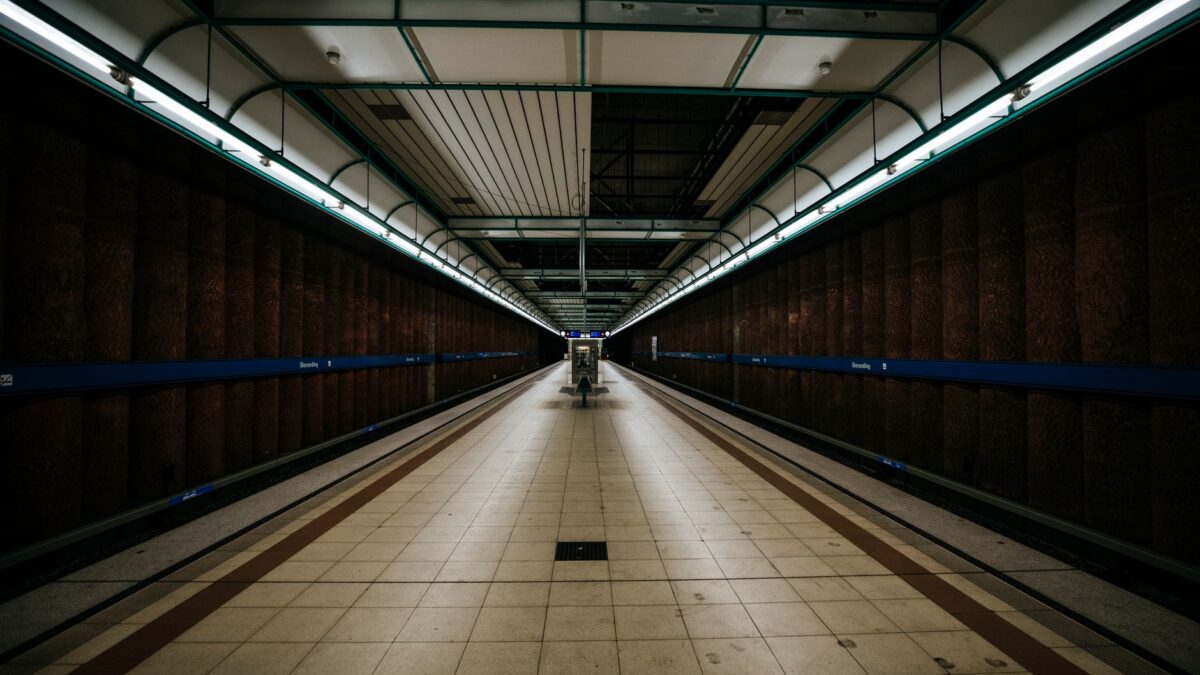
A general strike on Wednesday, Nov. 11, will reduce public transport in Barcelona and its metropolitan area to 25% of normal service, and only during the rush-hour windows. The Generalitat (the Catalan government) set that level for the metro, TMB buses, Rodalies (the commuter rail network), Ferrocarrils de la Generalitat (FGC, the regional rail operator) and the TRAM, according to Metrópoli Abierta.
The strike runs from 00.00 to 24.00, Barna Diario reported. The Ajuntament de Barcelona (the city council) has also approved its own minimum services, so many municipal offices and street services will run with fewer staff.
What it means for getting around
The Departament d’Empresa i Treball (the Catalan labor department) fixed two periods when the 25% must be provided: 6:30 to 9:30 in the morning and 16:30 to 21:00 in the afternoon. Outside those hours no minimum percentage applies.
For the TRAM, Metrópoli Abierta counts more than 10 hours without guaranteed minimum service, spread across early morning, midday and night. The lack of a minimum does not automatically mean the tram stops, but whether it runs depends on how many staff turn up for work.
The Generalitat recommends checking each operator’s updated information during the day. Metrópoli Abierta also pointed to a related report on how the Rodalies strike is clogging roads in Barcelona and its surrounding area.
TRAM lines T5 and T6 were already cut
The T5 and T6 tram lines have been interrupted between Glòries and Can Jaumandreu because of works to double the track and redo the surface of the Gran Via. The Autoritat del Transport Metropolità (ATM, the metropolitan transport authority) and the city council are behind the works, which are expected to last until spring 2027.
Service between Can Jaumandreu and Sant Martí de Provençals returned on Oct. 1. The Glòries to Can Jaumandreu section stays closed. Replacement options are bus lines H12 and N2, or walking from Can Jaumandreu to the T4 line. Those buses fall under the same strike minimums.
City services during the strike
Bomberos de Barcelona (the city fire brigade) and the Guardia Urbana (the municipal police) will keep 100% of their operational capacity. The municipal decree requires all intervention-shift staff to be available, plus operational commanders and the people needed for communication centers and medical support. Barna Diario said this follows the Ley orgánica 2/1986, which governs strike rights for security forces.
The Oficinas de Atención Ciudadana (OAC, citizen service offices), housing offices and municipal registries will have staff for urgent procedures and those with legal deadlines. Routine inquiries and lower-priority paperwork could be delayed. The decree says the aim is to prevent anyone from losing rights because of a missed deadline.
The municipal tow truck service will work at one third of its usual strength. It will prioritize removing vehicles that block traffic or access, and helping broken-down or crashed vehicles.
Rubbish and other municipal services
Street cleaning crews will concentrate on emergencies and situations that threaten safety on public roads. Reduced staffing also applies to Barcelona Cicle de l’Aigua (BCASA, the water cycle company), street lighting, parks and gardens, the animal shelter (CAACB) and road paving, signage and maintenance teams.
The city council recommends that residents not put out rubbish between 22.00 on Tuesday, Nov. 10 and 22.00 on Wednesday, Nov. 11.
Social services, schools and nurseries
Social care will have enough staff for urgent help. Soup kitchens will run at least at the level of a normal weekend, and home care will continue urgent visits. Care homes for older people and people with disabilities, shelters, day centers and telecare services are also covered.
For education, the Generalitat’s order sets these minimums:
- Infant and primary schools (ages 3 to 12): one teacher for every six units.
- Special education: 50% of staff.
- Nurseries: 33% of staff.
- School canteens and complementary activities: 33% of the service.
Each school will also have one member of its management team present.
Sources: Metrópoli Abierta, Barna Diario