El Prat Airport EES Checks: Who Is Registered and Extra Time Needed
At Barcelona-El Prat, non-EU visitors arriving from outside Schengen give fingerprints and a photo for the EES. Who is exempt and how early to arrive.
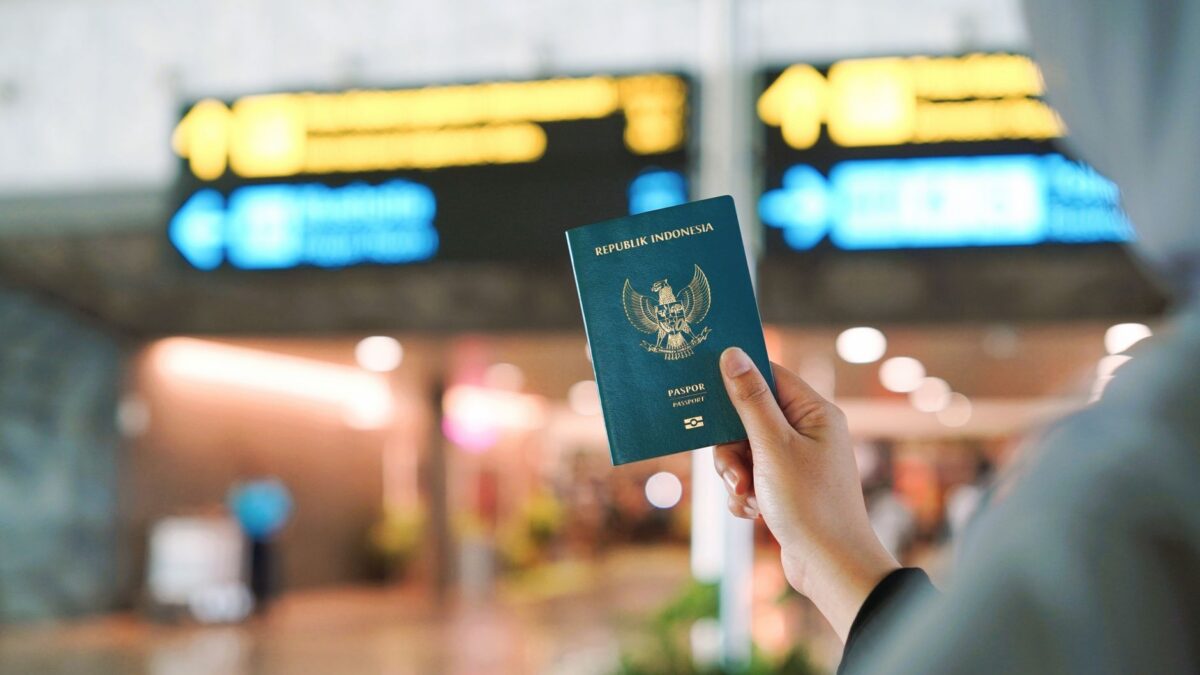
At Barcelona-El Prat, only passengers on flights from outside the Schengen area pass through passport control, and those who are non-EU nationals on a short stay are now registered in the EU’s Entry/Exit System (EES) with fingerprints and a facial image. Arrivals from Schengen countries such as France, Germany or Italy reach the baggage hall without a border check. On departure to a non-Schengen destination, the EES check can add time before you reach the gate, so arrive earlier than you used to.
What is the EES and when did it start?
The EES is an automated register of non-EU nationals who cross the external borders of the 29 European countries that use it for a short stay. According to the European Commission, it records your name, travel document details, fingerprints, a captured facial image, and the date and place of each entry and exit, plus any refusal of entry. The rollout began on Oct. 12, 2025, and the system became fully operational on April 10, 2026, when it replaced passport stamping for short-stay visitors. The agency eu-LISA develops and runs it.
Because the system logs every entry and exit, it can spot overstayers automatically. Under Schengen rules, a visa-free visitor may stay up to 90 days in any 180-day period.
Which El Prat arrivals go through passport control?
Border checks at El Prat apply to flights arriving from outside the Schengen area: the UK, Ireland, the US, Latin America, North Africa, the Gulf and other long-haul origins. Flights from other Schengen countries arrive as if they were domestic, with no passport desk.
The airport has two terminals. Terminal 1 opened on June 16, 2009, and Wikipedia’s entry on Josep Tarradellas Barcelona-El Prat Airport says it handles 70% of flights. The older buildings are now Terminals 2A, 2B and 2C. Which terminal and which arrivals area you land in depends on your airline and flight, so check your booking and follow the signs after you leave the aircraft. Once you are inside the non-Schengen area, the signs to passport control are the only route to baggage claim.
Who has to register, and who is exempt?
EES registration applies to non-EU nationals on a short stay. EU citizens are not registered. The rules for some common cases:
- British citizens visiting Spain are covered by the system, as the UK government explains in its Spain entry requirements.
- Long-term residents of a Schengen country are exempt in all Schengen countries. Carry documents that confirm your status.
- Foreign residents of Spain should show their proof of residence, such as the TIE (tarjeta de identidad de extranjero, the foreigner’s identity card), together with the passport at the border. British residents do not need their passports stamped.
- Children aged 11 or younger do not give fingerprints but can be asked for a photo.
If your TIE is still pending, the paperwork side is covered in our guide to booking a cita previa at extranjería in Barcelona. The EU publishes the full list of exemptions on its Travel Europe website.
What happens on your first arrival after the change?
You do not have to do anything before you land, and registration is free. The first time you enter a Schengen country under the new system, staff may send you to a special booth to register before you reach the officer at the immigration desk. Follow the directions of airport staff.
- Leave the aircraft and follow the signs for passport control.
- If directed, register at a booth: passport scan, fingerprints and a photo.
- Go to the border officer, who may ask for a return or onward ticket, proof of travel insurance, proof that you have enough money for your stay, and a hotel booking, proof of address or an invitation from your hosts.
- Continue to baggage claim.
Your EES record is valid for 3 years. You may still be asked to give biometric details each time you enter or leave.
How much extra time should you allow on departure?
The UK government advises leaving more time than before, because EES checks can take each passenger longer and may happen before boarding. It gives no fixed number of minutes. In practice, add a margin to your usual airport time for any flight to a non-Schengen destination, since you pass the border check after security and before the gate. You may be asked for a fingerprint or photo as you leave.
Strikes and air traffic problems can also stretch queues, as during the general strike that cancelled El Prat flights. Aena, the airport operator, runs a Fast Track service in Terminal T1, level 3, at the boarding area, open from 4:00 to 23:00; details are on Aena’s El Prat page.
Can you use the e-gates?
The UK advice tells British travellers to use desks staffed by border officers. Those aged 18 or over may use e-gates when they work and when airport staff tell them to. If you do use an e-gate, make sure your passport is stamped.
Quick answers
Does a flight from Paris or Rome go through passport control at El Prat?
No. France and Italy are in the Schengen area, so those arrivals have no border check.
What if my EES record shows the wrong dates?
Ask the border officers the next time you cross a Schengen border and request a correction, with supporting evidence if they ask for it.
What happens if I overstay 90 days?
You may be banned from entering Schengen countries for up to 3 years. To extend a stay for exceptional reasons, such as a medical emergency, apply to Extranjería (Spain’s immigration offices). Spain’s national information line is 060 from a Spanish phone, with English-speaking operators.
Does my passport still need a minimum validity?
Yes. It must have been issued less than 10 years before you arrive and expire at least 3 months after the day you plan to leave the Schengen area.
Checked against official sources in November 2026. Hours, prices and rules change: confirm on the official page before you go or apply.