Junts and PP Would Weigh Halting Diagonal Tram Link if They Win City
Junts and the PP say they could stop the 217 million euro tram link on Avinguda Diagonal if they win Barcelona's 2027 election. Costs, timeline and the vote.
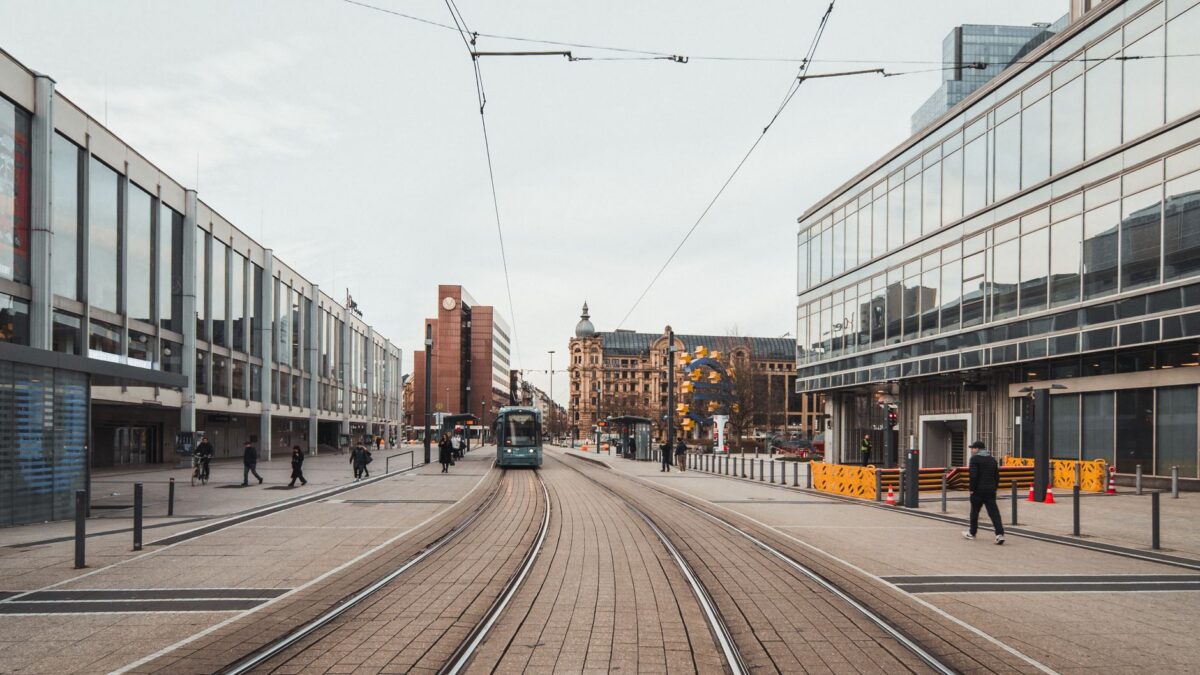
Two opposition parties in Barcelona, Junts and the Partido Popular (PP), say they do not rule out stopping the tram connection along Avinguda Diagonal if either wins the mayor’s office in the municipal elections of May 2027. The city put the works out to tender on Nov. 5, and construction is due to start in summer 2027, after the new council has taken office.
The left-wing three-party majority in the city council still backs the project, La Vanguardia reported. Stopping it after a contract is awarded could cost the city compensation to the winning bidder.
What the Diagonal tram project includes
The plan joins the two separate halves of Barcelona’s tram network through the centre of the Diagonal. Its total cost is 217 million euros, split into three parts:
- enlarging the Diagonal’s main sewer, the first job before any rails go in
- redesigning the street between Sant Joan and Francesc Macià, with adjustments up to Avinguda Sarrià
- the rail installation itself, the largest share, paid by the Govern (the Catalan government)
Works and testing are planned to take 44 months. Laia Bonet, the deputy mayor for urban planning in Mayor Jaume Collboni’s government, said the city expects 75 million trips a year on the joined network, double the current figure, and fewer cars on the avenue each day. The connected line would link nine municipalities in the metropolitan area.
What Junts and the PP propose
Jordi Martí, who leads the Junts group on the council and is its candidate for mayor, accused Collboni of leaving his successor with a done deal. Junts has opposed the Diagonal route since 2010, after supporting it until 2009, and argues the cost cannot be justified at a time when Catalonia lacks investment in transport, especially the Rodalies commuter rail network. Martí wants an electric high-capacity bus line, the D30, along the whole avenue instead. If he wins, he says he would review the state of the project, the cost of the tender and the compensation the contractor could claim.
A halt by Junts would leave the sewer works and the redesign of the avenue between Sant Joan and Passeig de Gràcia in place. The section up to Francesc Macià was already redone in 2014 under mayor Xavier Trias of CiU.
Daniel Sirera, the PP’s leader in Barcelona, told La Vanguardia he wants to halt the project as long as the law allows it. He argues a work of this size needs prior agreement from neighbours and shop owners, points to the 2010 public vote in which residents rejected the plans to transform the Diagonal, and favours electric buses run by TMB (Barcelona’s bus and metro operator).
What’s at stake for the city
Bonet said a city that breaks an awarded contract would owe the winning company 3% in compensation. Applied to the rail tender, that would come to close to three million euros, according to La Vanguardia’s calculation.
Supporters point to the first phase, from Glòries to Verdaguer, which started construction in March 2022 and opened in November 2024. Guille López of Barcelona en Comú said ridership on the Trambesòs line has risen 30% since then. His party says the link has been delayed for 21 years. Rosa Suriñach of Esquerra (ERC) wants the work done as soon as possible. Vox rejects the tram outright.
What happens next
This week the PP will ask a council committee to freeze the tender and hold off on awarding the rail contract until after the elections. The motion is expected to fail, because the governing left-wing parties hold 24 of the council’s 41 votes. Construction of the sewer, the first stage, is due to begin a little over half a year from now.
Source: La Vanguardia