What to Buy in Barcelona: Souvenirs, Food Gifts and What to Avoid
Classic Catalan gifts and what to check on the label, where to find official Barça merchandise, why buying fakes on the street can get you fined, and how to fly home with bottles.
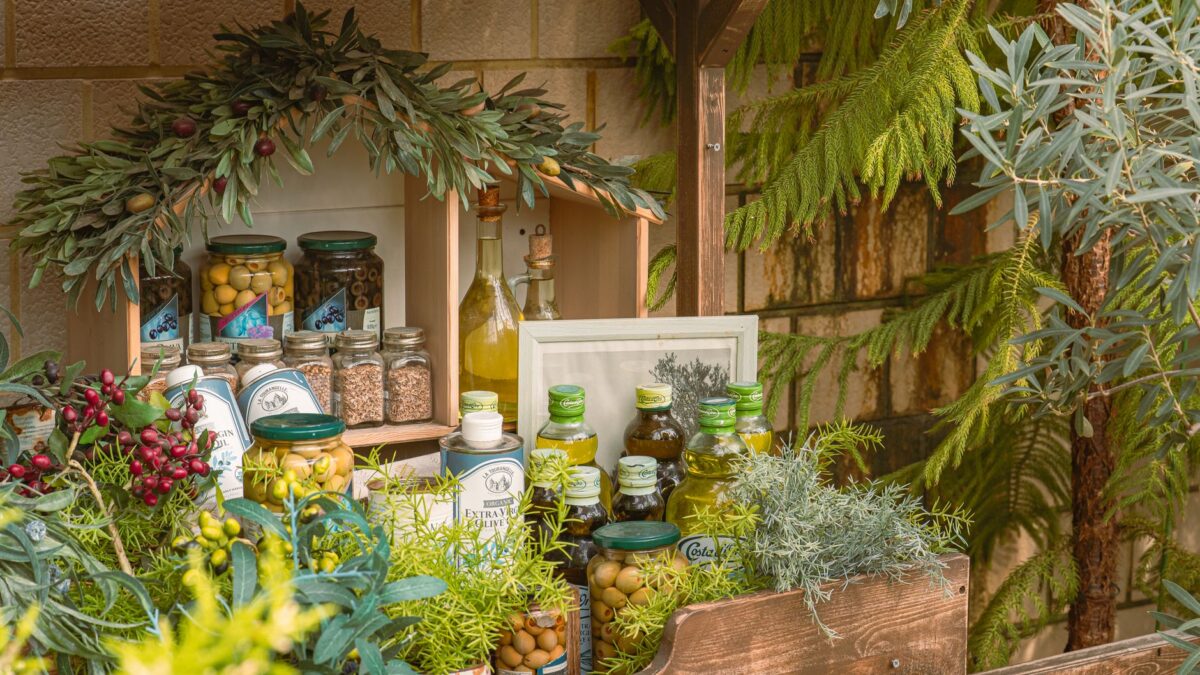
The most typical things to buy in Barcelona are food and drink, such as cava, turrón, olive oil and vermouth, plus espadrilles (espardenyes), Catalan ceramics and official FC Barcelona merchandise. Avoid fake goods from street sellers: buying from unlicensed vendors on the street is an offence for the buyer under Barcelona’s civic ordinance, with fines reported at up to €600 as of November 2026.
What are the best souvenirs to buy in Barcelona?
The table lists the classic Catalan products, what to look for on the label and where they are usually sold.
| Product | What it is | What to check |
|---|---|---|
| Cava | Sparkling wine made by the traditional method, mostly in the Penedès area south-west of Barcelona | The “Cava” designation on the label; “brut nature” and “extra brut” are the driest styles |
| Turrón (torró) | Almond and honey nougat, eaten at Christmas; hard (Alicante style) or soft (Jijona style) | Ingredient list: better bars list almonds first, with a high almond percentage |
| Olive oil | Catalonia has its own protected origins, including Siurana and Les Garrigues, known for the Arbequina olive | “Extra virgin” (verge extra), harvest or bottling date, and the protected origin seal |
| Vermouth (vermut) | Fortified, herb-flavored wine; the Sunday “vermut hour” before lunch is a Catalan custom, and Reus is its historic home | Producer and region on the label |
| Espadrilles (espardenyes) | Canvas shoes with soles of braided jute rope, a traditional Catalan design | Jute sole sewn by hand or machine, and where they were made |
| Ceramics | Glazed pottery and tiles; La Bisbal d’Empordà is Catalonia’s best-known pottery town | Hand-painted or printed, and whether the piece is food-safe |
| Barcelona tile designs | Coasters and prints based on the city’s flower-pattern pavement tile (panot) and Modernista tiles | Who made it; cheap prints are often mass-produced abroad |
| Caganer and Christmas figures | Traditional figurines for the nativity scene, sold at the Christmas markets | Handmade figures cost more than molded plastic ones |
Food shops, delicatessens, municipal markets and supermarkets all sell cava, turrón, oil and vermouth. Supermarket prices are usually far lower than in shops on the main tourist streets for the same brand, so compare before buying. Our Christmas in Barcelona guide covers the seasonal markets where figurines and turrón are sold.
Where can you buy official FC Barcelona merchandise?
Official FC Barcelona shirts and gifts are sold in the club’s own Barça Store shops, including at the stadium and in the city center, on the club’s official online store, and by licensed sports retailers. Official shirts carry the club’s licensed product labels and tags.
A shirt sold for a few euros on a blanket on the street or in a market stall with no brand labels is almost certainly counterfeit. Besides the quality, buying it can lead to a fine, and counterfeit goods can be seized by customs when you travel home.
Why should you not buy from street sellers?
Barcelona’s civic ordinance (Ordenança de mesures per fomentar i garantir la convivència ciutadana a l’espai públic) bans not only unlicensed street selling but also buying goods from unlicensed sellers in public spaces. The buyer commits an administrative offence and can be fined.
- The city council approved a reform of the ordinance in December 2025, which reports say took effect on February 15, 2026. According to reports on the approved text, the maximum fine for buying from street sellers rose from €500 to €600.
- The Guàrdia Urbana (city police) fines both sellers and buyers, and can confiscate the goods.
- Many of the goods sold this way, such as fake designer bags, sunglasses and football shirts, infringe trademarks.
The ordinance is published on the Ajuntament de Barcelona website; check the current text there if you need the exact amount. Crowded spots where street sellers gather are also where pickpockets work: see our guide to pickpockets in Barcelona.
Can you take cava, olive oil and vermouth on the plane?
In checked luggage, yes. In hand luggage, liquids are the problem: plan on the EU limit of 100 ml per container, packed in one clear resealable bag of about 1 liter, unless your departure airport has clearly announced otherwise.
As of November 2026, reports say some security lanes at Barcelona-El Prat Terminal 1 have new scanners that can accept larger liquid containers, but Aena, the airport operator, had not confirmed a general change in the rule. Even where your departure airport relaxes the limit, the airport where you change planes may not. Check the security page for your terminal on Aena’s Barcelona airport site before you pack.
- Pack bottles of cava, wine, oil and vermouth in checked luggage, wrapped in clothes and placed in a sealed plastic bag in case of leaks.
- Remember that turrón is solid and can go in hand luggage, but soft spreads, honey and jars count as liquids or gels.
- Drinks bought at the airport’s duty-free shops after security are allowed in the cabin. Keep them in the sealed bag with the receipt if you have a connecting flight.
- Check your destination’s customs allowances for alcohol, and its rules on bringing in meat, cheese and other animal products, which many non-EU countries restrict.
Our guide to getting between Barcelona airport and the city covers the terminals and transport.
How do you spot a quality souvenir?
- Read the origin. Labels such as “made in Catalonia” or a protected designation of origin tell you more than a picture of the Sagrada Família.
- Compare prices. The same cava or oil can cost much less in a supermarket a few streets away from the tourist area.
- Ask for a receipt. It is required anyway, and it makes a return or complaint possible if something breaks or is faulty.
- Non-EU visitors can ask for a tax-free document on larger purchases; our guide to shopping in Barcelona explains the DIVA VAT refund.
Bottom line
Buy edible souvenirs in a supermarket or municipal market on your last full day, when you know how much luggage space you have left, and put every bottle in checked luggage. Spend the money you save on one well-made item, such as hand-sewn espadrilles or a piece from a ceramics workshop, rather than several printed magnets.
FAQ
Is it illegal to buy a fake football shirt in Barcelona?
Buying from an unlicensed street seller is an offence under the city’s civic ordinance, and the buyer can be fined. Counterfeit goods can also be seized by customs in many countries.
Can I take turrón in my hand luggage?
Hard and soft turrón bars are solids, so they are allowed. Spreadable versions in jars may be treated as gels and limited to 100 ml.
What is a good souvenir for a child?
Children’s FC Barcelona kits from official stores, picture books about Barcelona in English, or a small caganer at Christmas are popular choices.
Are shops open on Sunday for last-minute souvenirs?
Most are closed on ordinary Sundays, apart from some shops in tourist areas and at the airport. Plan your shopping for Saturday.